
Zwilling Japanese Knives: The Ultimate Professional Evaluation for 2025
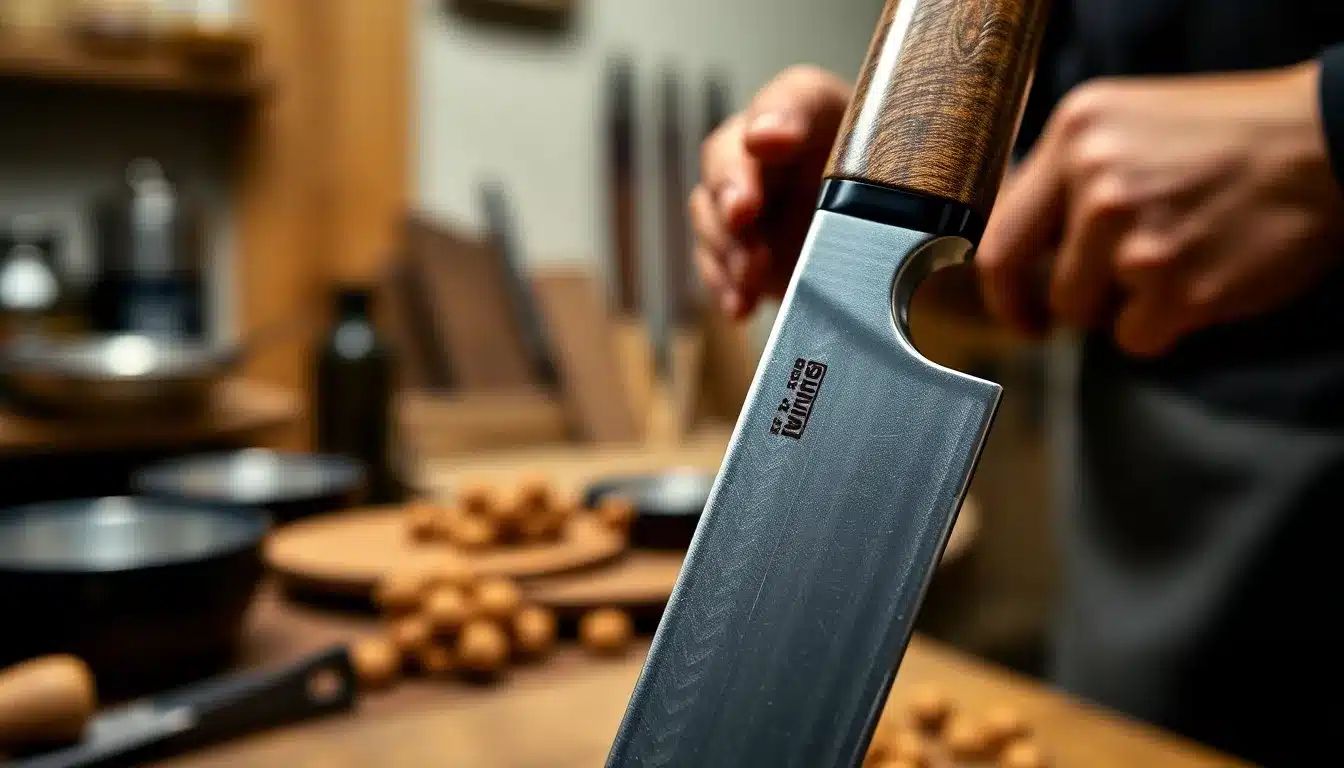
Welcome to the definitive guide for discerning chefs and culinary enthusiasts exploring the exceptional world of zwilling japanese knives. This comprehensive evaluation for 2025 delves into how these meticulously crafted tools, primarily under the esteemed Miyabi brand, fuse German engineering precision with ancient Japanese blade artistry. Discover why these premium knives are not just instruments, but extensions of culinary mastery, offering unparalleled sharpness and durability.
Our aim is to provide an in-depth analysis, from the distinct steel compositions to the intricate sharpening techniques, ensuring you make an informed decision when investing in these high-performance kitchen essentials. Precision, balance, and aesthetic appeal converge in every blade, setting a new standard for professional kitchens and home gourmands alike. We will explore the legacy, technology, and care necessary to truly appreciate the craftsmanship of a zwilling japanese knife.
📋 Table of Contents
- 📌 Unveiling the World of Zwilling Japanese Knives
- 📌 Understanding Zwilling Japanese Knives: The Miyabi Legacy
- 📌 Exploring the Miyabi Knife Series: A Comprehensive Comparison
- 📌 Mastering the Edge: Steel Types and Blade Technology in Zwilling Japanese Knives
- 📌 Ergonomics and Aesthetic: Design Principles of Zwilling Japanese Knives
- 📌 Longevity and Care: Maximizing the Performance of Your Zwilling Japanese Knives
- 📌 Beyond the Blade: Deconstructing the German-Japanese Synergy in Zwilling Japanese Knives
- 📌 Frequently Asked Questions About Zwilling Japanese Knives
- 📌 Professional Tools and Resources for Zwilling Japanese Knives Enthusiasts
- 📌 Real-World Performance: Success Stories with Zwilling Japanese Knives
- 📌 The Enduring Legacy of Zwilling Japanese Knives: Precision for Every Cut
Unveiling the World of Zwilling Japanese Knives
The pursuit of culinary excellence often begins with the right tools, and for many, that means exploring premium Japanese cutlery. Zwilling Japanese knives, predominantly recognized through their Miyabi brand, represent a fascinating confluence of tradition and innovation. They stand as a testament to what happens when two distinct cultures collaborate for perfection.
These knives are not merely cutting instruments; they are precision tools designed for nuanced culinary tasks. Their reputation for exceptional sharpness, edge retention, and aesthetic beauty makes them a top choice for both professional chefs and passionate home cooks. The integration of traditional Japanese forging techniques with advanced German metallurgical science creates a truly unique product.
What Defines Zwilling’s Japanese Knife Heritage?
Zwilling’s entry into the Japanese knife market was not just an acquisition; it was a deep dive into Japanese blade-making philosophy. By establishing the Miyabi brand in Seki, Japan, Zwilling committed to preserving and enhancing the authentic craftsmanship passed down through generations. This heritage emphasizes a meticulous approach to every stage of knife production.
The core of Zwilling’s Japanese knife heritage lies in respecting the centuries-old traditions of samurai sword making, adapting these principles to kitchen cutlery. This involves hand-finishing, specific heat treatments, and a dedication to creating blades that are both functional art pieces and highly efficient tools. It is about a fusion of two powerful legacies.
Why Premium Zwilling Japanese Knives Are Essential for Culinary Mastery
For those striving for culinary mastery, the precise cuts and effortless glide offered by premium zwilling japanese knives are indispensable. These knives enable chefs to handle delicate ingredients with unparalleled accuracy, preserving texture and flavor. The razor-sharp edges mean less pressure is needed, reducing fatigue and improving safety in the kitchen.
Beyond functionality, owning a high-quality Miyabi knife fosters a deeper appreciation for the cooking process itself. It encourages intentionality and mindfulness, elevating everyday meal preparation into an art form. The superior balance and comfortable ergonomics allow for extended use without strain, making them an essential companion for any serious cook.
Understanding Zwilling Japanese Knives: The Miyabi Legacy
The Miyabi brand is the jewel in Zwilling J.A. Henckels’ crown when it comes to authentic Japanese cutlery. This brand embodies a commitment to crafting knives that adhere to the strictest Japanese standards, while leveraging Zwilling’s global manufacturing prowess. The legacy began with a vision to combine the best of both worlds, creating blades with unmatched performance and beauty.
Every Miyabi knife reflects a profound respect for the knife-making traditions of Seki, Japan, a city renowned for its blacksmithing history. This dedication has allowed Zwilling to produce knives that resonate deeply with both traditionalists and modern culinary artists. For a deeper dive into these exquisite tools, check out our Miyabi Japanese Kitchen Knives: In-depth Analysis.
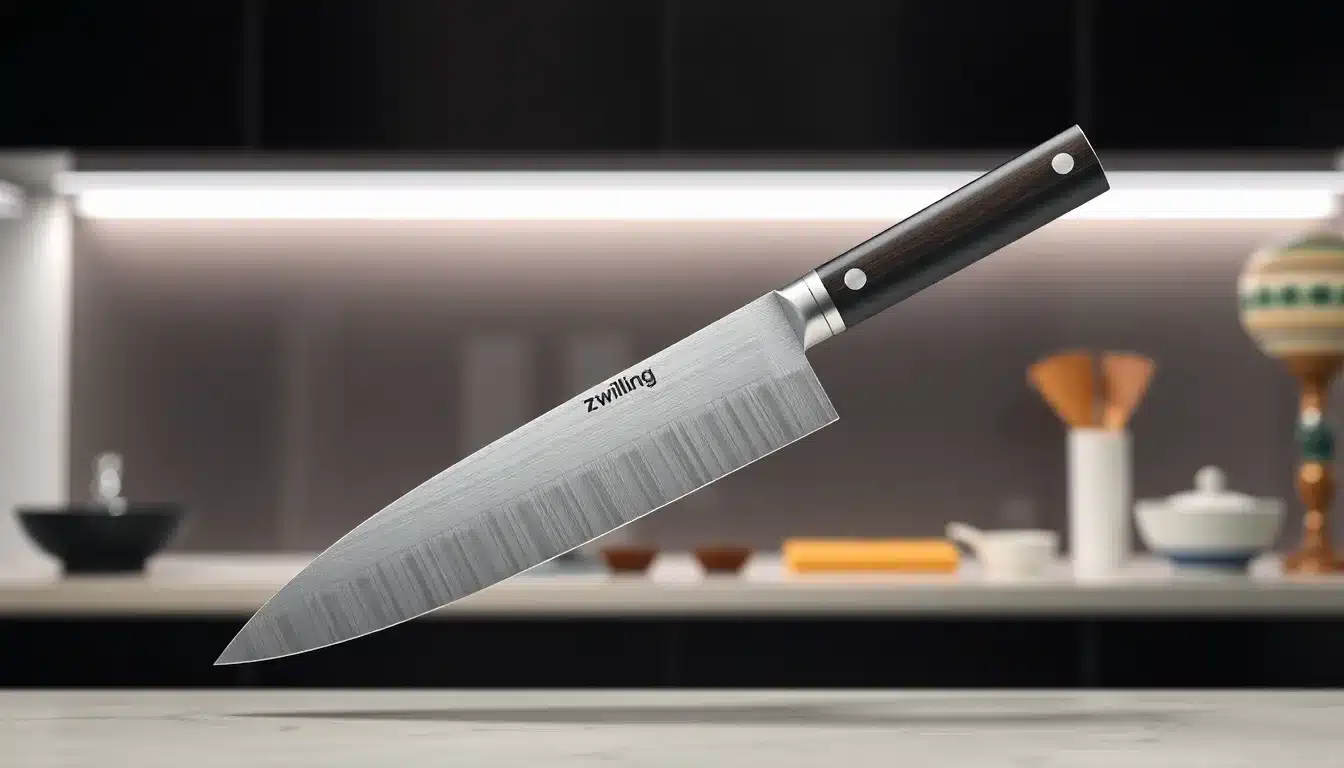
The Genesis of Miyabi: German Engineering Meets Japanese Craftsmanship
The story of Miyabi is a compelling narrative of synergistic collaboration. Zwilling, with its centuries of German precision engineering and metallurgical expertise, identified the unique artistry of Japanese blade smiths. Instead of merely mimicking, they invested in integrating these two distinct approaches directly.
This fusion resulted in knives that boast the robust durability expected from German engineering, combined with the extreme sharpness and intricate finishes characteristic of Japanese craftsmanship. It’s a testament to innovation rooted in respect for tradition. This approach delivers a knife that is both resilient and exquisitely delicate in its cutting ability.
Seki, Japan: The Heart of Miyabi Knife Production
Seki City, nestled in Japan’s Gifu Prefecture, has been a hub for sword and knife making for over 800 years. It’s a place where the air itself seems infused with the spirit of craftsmanship. This historical significance is why Zwilling chose Seki as the home for Miyabi production.
The skilled artisans in Seki bring generations of knowledge to the creation of each Miyabi knife. They employ traditional techniques like Honbazuke sharpening and multi-layer forging, ensuring every blade meets the highest standards of Japanese quality. This location ensures authenticity and connection to revered blade-making traditions.
Zwilling’s Investment in Authentic Japanese Blade Artistry
Zwilling’s commitment to Miyabi goes beyond mere branding; it represents a substantial investment in the preservation and advancement of authentic Japanese blade artistry. This includes funding local training programs and ensuring that traditional methods are passed on to new generations of artisans.
This strategic investment guarantees that Miyabi knives are not just “Japanese-style” but are truly products of Japan’s profound heritage in cutlery. It reinforces the brand’s credibility and ensures the continued delivery of top-tier, authentically crafted blades. Learn more about the origins of true Japanese knives in our guide on Authentic Japanese Knives Made in Japan.
Exploring the Miyabi Knife Series: A Comprehensive Comparison
Miyabi offers several distinct knife series, each designed to cater to different preferences and culinary needs. Understanding the nuances between these lines is crucial for selecting the perfect zwilling japanese knife for your kitchen. From entry-level precision to professional-grade masterpieces, there’s a Miyabi for every cook.
Each series showcases unique characteristics in steel, handle material, and blade profile, reflecting the brand’s commitment to diversity and specialized performance. Let’s delve into the popular lines and see what sets them apart. This comparison will help highlight the particular strengths of each Miyabi offering.
Miyabi Birchwood SG2: Elite Performance and Exquisite Aesthetics
The Miyabi Birchwood SG2 series stands as a pinnacle of performance and visual appeal within the Zwilling Japanese knife collection. Its core is crafted from SG2 micro-carbide powder steel, renowned for its exceptional hardness (around 63 Rockwell) and superior edge retention.
The blade is protected by 100 layers of stunning Damascus steel, creating a unique floral pattern that is both beautiful and functional. Paired with a Karelian Birchwood handle, which offers warmth and ergonomic comfort, this series is a true work of art. Many professional chefs consider this a top-tier choice for its durability and precision.
Miyabi Koh: The Balance of Power and Precision
The Miyabi Koh series strikes an impressive balance between robust power and delicate precision, making it an excellent all-rounder. These knives feature a core of FC61 fine carbide steel, which provides a balance of hardness and flexibility, making them slightly less prone to chipping than ultra-hard steels, yet still incredibly sharp.
The blades typically have a Hammered (Tsuchime) finish above the cutting edge, which not only adds to their rustic aesthetic but also helps prevent food from sticking. With an octagonal Pakkawood handle, the Koh series offers a comfortable and secure grip for a wide range of tasks. It is ideal for those seeking reliable performance in a busy kitchen.
Miyabi Evolution & Artisan: Innovation for Everyday Culinary Tasks
The Miyabi Evolution and Artisan series are designed to bring the exceptional performance of Zwilling Japanese knives to everyday culinary tasks. The Evolution line, forged from FC61 steel, features a Western-style, triple-riveted handle for those who prefer a more familiar grip, combined with a true Japanese blade profile.
The Artisan series, also utilizing FC61 steel, showcases a beautiful hammered finish and traditional D-shaped Pakkawood handles, merging aesthetics with practical ergonomics. Both series offer outstanding sharpness, making them fantastic choices for home cooks looking to elevate their kitchen experience without compromising on quality or usability. They demonstrate Zwilling’s commitment to making Japanese craftsmanship accessible.
Mastering the Edge: Steel Types and Blade Technology in Zwilling Japanese Knives
The heart of any exceptional knife lies in its steel and the technology used to shape and sharpen it. For zwilling japanese knives, this is an area where they truly shine, leveraging both cutting-edge metallurgy and ancient artisan practices. The selection of steel directly impacts the blade’s sharpness, edge retention, and overall durability.
Zwilling’s Miyabi knives incorporate a range of high-performance steels, each chosen for specific characteristics that enhance the knife’s function. This meticulous material selection, combined with advanced heat treatment, defines their superior cutting ability. Understanding these distinctions is key to appreciating their craftsmanship.
The Superiority of SG2 and MC63 Steels in Miyabi Blades
SG2 (Super Gold 2) and MC63 (MicroCarbide 63) steels represent the pinnacle of performance in Miyabi blades. SG2 is a powdered steel with a fine grain structure, allowing for extreme sharpness and incredible edge retention, often reaching 63 Rockwell hardness. This steel is difficult to work with but yields exceptional results.
MC63 steel, primarily found in the Miyabi Black series, is a ZDP-189 core hardened to an astonishing 63 Rockwell. Its composition ensures an edge that lasts remarkably long, favored by professional chefs who demand sustained performance. These premium steels are often clad with numerous layers of softer steel, creating beautiful Damascus patterns while protecting the hard core. For more on advanced steel, refer to Takefu Special Steel’s official site.
FC61 and Other High-Performance Alloys
While SG2 and MC63 represent the ultra-premium end, FC61 (Fine Carbide 61) steel is a workhorse alloy used in many popular Miyabi series like Koh and Evolution. This steel offers an excellent balance of hardness, toughness, and ease of sharpening, typically achieving a 61 Rockwell hardness. It’s a fantastic choice for everyday use.
Other proprietary high-carbon stainless steels are also utilized across different Zwilling Japanese knife lines, ensuring consistent quality and performance. These alloys are carefully selected to provide corrosion resistance without compromising on the ability to achieve and hold a razor-sharp edge. They deliver reliability and exceptional value.
Honbazuke Sharpening and Razor-Sharp 9-12° Blade Angles
The legendary sharpness of zwilling japanese knives is largely attributed to the traditional Honbazuke sharpening method. This meticulous, three-step process involves coarse grinding, fine grinding, and mirror polishing, all performed by hand by skilled artisans. The result is an incredibly acute and durable edge.
Miyabi blades are typically sharpened to an ultra-thin 9-12 degree angle per side, significantly sharper than most Western knives (which are often 20-25 degrees). This acute angle allows for incredibly precise cuts, gliding through ingredients with minimal resistance. This precision is what makes these knives indispensable in a professional kitchen. For insights on maintaining such sharpness, consult our guide on Best Sharpening Stone for Japanese Knives.
Ergonomics and Aesthetic: Design Principles of Zwilling Japanese Knives
Beyond the blade itself, the handle and overall design of a knife play a crucial role in its performance and user experience. Zwilling Japanese knives are meticulously designed to offer superior ergonomics and stunning aesthetics, making them both a pleasure to use and a beautiful addition to any kitchen. Every curve and material choice is intentional.
The balance, feel, and visual appeal are as important as the sharpness of the edge. These design principles reflect a holistic approach to knife making, where form and function are in perfect harmony. They contribute significantly to the overall sense of culinary mastery and pride of ownership.
Handle Materials and Comfort: Birchwood, Pakkawood, and Micarta
Miyabi knives feature a variety of high-quality handle materials, each selected for its beauty, durability, and ergonomic properties. Karelian Birchwood, found in the Birchwood SG2 series, offers a luxurious feel and stunning grain patterns, evolving beautifully with age. It is naturally resistant to moisture, providing a comfortable and secure grip.
Pakkawood, a durable wood composite, is often used for its stability, water resistance, and natural wood look and feel. It’s common in lines like Koh and Artisan. Micarta, another composite material, is known for its exceptional durability and textured grip, often favored for its industrial strength and moisture resistance in high-volume settings. Each material enhances control and reduces hand fatigue.
Blade Profiles and Balance for Diverse Culinary Tasks
Zwilling Japanese knives come in a range of blade profiles, each optimized for specific culinary tasks. From the versatile Gyuto (chef’s knife) and the all-purpose Santoku to specialized Nakiri (vegetable knife) and Yanagiba (slicing knife) profiles, Miyabi covers every need. The design ensures precise cuts for various ingredients.
Crucially, the balance of each Miyabi knife is meticulously calibrated. A well-balanced knife feels like an extension of the hand, providing effortless control and reducing strain during prolonged use. This balance, often achieved through careful weight distribution between blade and handle, enhances both safety and efficiency in the kitchen. It is a hallmark of superior craftsmanship.
The Art of Damascus Patterning and Blade Finishes
One of the most visually striking features of many zwilling japanese knives is their exquisite Damascus patterning. This is created by repeatedly folding and forging layers of different steels, revealing intricate wavy patterns on the blade surface. Beyond aesthetics, these layers add strength and flexibility to the blade while protecting the super-hard core.
Other blade finishes, such as Tsuchime (hammered) or sandblasted textures, not only add unique visual appeal but also serve a functional purpose. These finishes help create air pockets between the blade and food, reducing friction and preventing ingredients from sticking, especially important for delicate slicing tasks. It’s a blend of ancient artistry and practical innovation.
Longevity and Care: Maximizing the Performance of Your Zwilling Japanese Knives
Investing in a high-quality zwilling japanese knife is a commitment to culinary excellence, and proper care is paramount to ensure its longevity and sustained performance. These sophisticated tools, with their ultra-sharp edges and premium steels, require specific attention to maintain their razor-sharpness and pristine condition. Neglecting care can quickly diminish their superior qualities.
Adhering to correct maintenance practices will not only preserve the beauty of your Miyabi knife but also extend its working life, making it a valuable companion in your kitchen for decades. Regular, mindful care is a small price to pay for such exceptional performance. For an exhaustive resource, explore the Ultimate Master’s Guide to High-End Japanese Knives.
Essential Maintenance for SG2 and High-Carbon Miyabi Blades
SG2 and other high-carbon steels used in Miyabi knives demand specific maintenance due to their hardness and susceptibility to corrosion if not properly handled. Always hand-wash your knife immediately after use with mild soap and warm water. Avoid dishwashers, as harsh detergents and high temperatures can damage the blade and handle.
Thoroughly dry the blade and handle with a soft cloth to prevent water spots and rust. For long-term storage, especially for high-carbon non-stainless steels (though less common in Miyabi), a light application of mineral oil can provide an extra layer of protection. Proper cleaning prevents food acids from dulling or pitting the blade. Consider storing your knife in a quality knife block for best protection.
Professional Resharpening for Zwilling Japanese Knives: When and How
While Miyabi knives boast exceptional edge retention, even the finest blades will eventually require resharpening to restore their original performance. The ultra-acute angles of Japanese knives make traditional Western pull-through sharpeners unsuitable and potentially damaging. Instead, a sharpening stone (whetstone) is the recommended method.
For optimal results, especially with premium steels like SG2, professional resharpening is often advisable. Expert sharpeners understand the precise angles and techniques required for Honbazuke edges. Look for services specializing in Japanese knives. When deciding “when,” observe if the knife struggles with tasks it once performed effortlessly, like slicing a ripe tomato without tearing.
Beyond the Blade: Deconstructing the German-Japanese Synergy in Zwilling Japanese Knives
The remarkable appeal of zwilling japanese knives stems from a carefully orchestrated synergy between two distinct, yet equally profound, knife-making philosophies. It’s not just about combining parts, but about integrating processes and expertise to create something truly exceptional. This fusion goes deeper than surface appearances, touching the very metallurgy and engineering of each blade.
This section explores the intricate details of how German precision engineering and traditional Japanese craftsmanship intersect, creating knives that are both technologically advanced and steeped in heritage. It’s a testament to global collaboration in pursuit of the ultimate cutting tool. The result is a performance that consistently surpasses expectations in the culinary world.
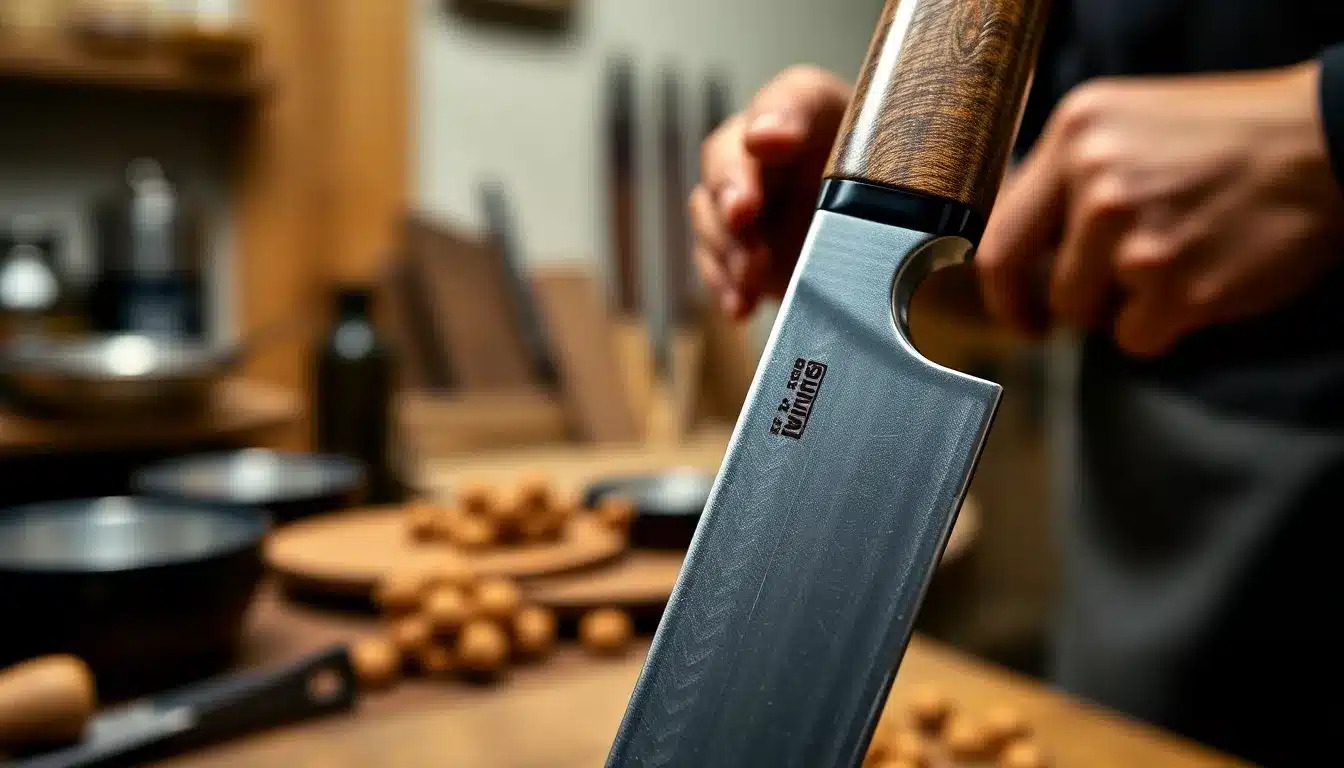
Precision Engineering Meets Traditional Forging: A Metallurgical Perspective
From a metallurgical standpoint, the synergy in zwilling japanese knives is groundbreaking. Zwilling’s German engineering contributes advanced steel analysis, controlled heat treatment processes, and rigorous quality control standards. This ensures consistency and maximizes the inherent properties of the chosen alloys.
Conversely, traditional Japanese forging brings techniques like layered construction (Damascus) and specialized heat cycling that result in microstructures optimized for extreme sharpness and toughness. The meticulous hand-finishing processes, often passed down through generations, perfect the blade geometry. This combination allows for a level of edge retention and resilience that few other knives can match. It is truly an engineering marvel.
Microscopic Edge Analysis: Honbazuke vs. Western Sharpening Techniques
A microscopic examination of a Honbazuke-sharpened zwilling japanese knife edge reveals a distinctly different geometry compared to a typical Western-style blade. Japanese knives, especially Miyabi, feature a very narrow, incredibly acute angle, often tapering down to a near-zero edge. This creates an extremely fine cutting surface that slices rather than pushes.
Western knives typically have a wider, more robust edge angle designed for durability and strength against tougher materials. While durable, they don’t achieve the same level of effortless glide. This difference is critical for delicate tasks like sashimi preparation or finely dicing vegetables, where minimal cellular damage is desired. The Honbazuke technique emphasizes purity of cut.
Comparative Durability: Zwilling’s Rigorous Testing for Japanese Blades
Zwilling’s commitment to quality extends to extensive durability testing for their Japanese blades, ensuring they meet the brand’s exacting standards. This involves evaluating edge retention under various cutting conditions, corrosion resistance, and handle stability. These tests go beyond traditional metrics, often incorporating real-world kitchen simulations.
The synergy means benefiting from both German engineering’s precision testing and Japanese craftsmanship’s inherent resilience. The result is a knife that, while finely crafted and exquisitely sharp, also possesses remarkable strength and reliability for its category. This rigorous approach is why Zwilling can confidently stand behind its Miyabi range.
Frequently Asked Questions About Zwilling Japanese Knives
Navigating the world of premium cutlery can bring up several questions, especially concerning specialized tools like zwilling japanese knives. This section addresses common queries, providing clear and concise answers to help you better understand and appreciate your Miyabi knives. Our goal is to provide practical knowledge and expert insights.
Whether you’re curious about maintenance, suitability for different users, or the manufacturing process, we aim to cover the essential information. These direct answers are designed to enhance your confidence and satisfaction with your investment in Japanese cutlery. They represent crucial considerations for any knife enthusiast.
What makes Zwilling Japanese knives, specifically Miyabi, stand out?
Miyabi knives stand out due to their unique fusion of German engineering precision and traditional Japanese craftsmanship. They feature high-performance steels like SG2 and FC61, combined with the meticulous Honbazuke sharpening method for razor-sharp edges. The stunning Damascus patterns and ergonomic handles also contribute to their distinct appeal and superior functionality.
How do I properly care for my Miyabi knife to maintain its sharpness and longevity?
To care for your Miyabi knife, always hand-wash immediately after use with mild soap and warm water, then thoroughly dry it. Never put it in a dishwasher. Store it safely in a knife block or magnetic strip to protect the delicate edge. For sharpening, use a quality whetstone or seek professional Japanese knife sharpening services.
Which Miyabi knife line is best suited for professional chefs versus home cooks?
For professional chefs, the Miyabi Birchwood SG2 or Black series are highly recommended due to their superior SG2/MC63 steel, extreme edge retention, and exquisite balance. For home cooks, the Miyabi Koh, Evolution, or Artisan lines offer excellent performance, durability, and value with FC61 steel, making them fantastic choices for everyday culinary tasks.
How does the price of Zwilling Japanese knives compare to other premium Japanese brands?
Zwilling Japanese knives (Miyabi) are competitively priced within the premium Japanese cutlery market. While some lines, like Birchwood SG2, are comparable to high-end Shun or Yoshihiro knives, others like Koh and Evolution offer excellent value, making them accessible alternatives to other master-crafted Japanese blades. Their pricing reflects their quality and craftsmanship.
Are Miyabi knives truly manufactured in Japan, or are they a German design?
Miyabi knives are truly manufactured in Seki, Japan, by Japanese artisans using traditional techniques, supervised by Zwilling J.A. Henckels. While the brand is owned by a German company, the production philosophy is deeply rooted in Japanese craftsmanship, combining German quality control and metallurgical expertise with authentic Japanese blade artistry. It’s a genuine collaboration.
Professional Tools and Resources for Zwilling Japanese Knives Enthusiasts
To fully appreciate and maintain the peak performance of your zwilling japanese knives, having access to the right tools and knowledge is indispensable. This section guides enthusiasts toward essential resources that will enhance their knife care routine and deepen their understanding of Japanese cutlery. The right tools extend the life and sharpness of your blades.
From recommended sharpening equipment to valuable educational platforms, these resources are curated to support both novice users and seasoned professionals. Investing in these tools and knowledge bases is an extension of your commitment to culinary excellence. It ensures your knives remain in optimal condition for every cut.
Recommended Sharpening Stones and Honing Rods for Miyabi Blades
For Miyabi blades, high-quality Japanese sharpening stones (whetstones) are essential. A combination stone with a coarser grit (e.g., 1000) for initial sharpening and a finer grit (e.g., 3000-6000) for polishing is ideal. Brands like Naniwa, Shapton, and King are highly regarded. Always keep the stones properly hydrated during use.
While traditional honing rods can be too abrasive for Miyabi’s fine edges, ceramic honing rods or leather strops are suitable for daily maintenance, gently realigning the edge without removing excessive material. These tools help to prolong the time between full resharpening sessions, keeping your knife acutely sharp. For expert advice, refer to our guide on Whetstones for Japanese Knives: Expert Insights.
Online Resources and Communities for Japanese Knife Care and Education
The internet offers a wealth of resources for Japanese knife enthusiasts. Websites like Serious Eats and Cook’s Illustrated often publish in-depth reviews and care guides for premium cutlery. YouTube channels dedicated to knife sharpening and maintenance provide visual step-by-step tutorials, which can be invaluable.
Online forums and communities, such as those on Reddit, also offer a platform for sharing tips, troubleshooting issues, and discussing various Japanese knife brands and models. Engaging with these communities can provide practical advice and foster a deeper appreciation for the craft. These resources are critical for continuous learning and skill development.
Real-World Performance: Success Stories with Zwilling Japanese Knives
The true measure of any exceptional tool lies in its performance in real-world scenarios. Zwilling Japanese knives, particularly the Miyabi series, have garnered widespread acclaim for their consistent excellence in demanding culinary environments. From bustling professional kitchens to passionate home cooking, these knives repeatedly demonstrate their superior capabilities.
These success stories highlight not just the sharpness and durability of the blades, but also the transformative impact they have on the cooking experience itself. They serve as powerful testimonials to the thoughtful design and meticulous craftsmanship that define the Miyabi brand. Witnessing these knives in action truly underscores their value.
Chef’s Perspective: Miyabi Knives in a High-Volume Restaurant Kitchen
In a high-volume restaurant kitchen, efficiency, precision, and durability are paramount. Chef Elena Rodriguez, head chef at “The Umami Collective,” swears by her Miyabi Birchwood SG2 Gyuto. “The edge retention is incredible,” she states. “Even after a grueling service preparing hundreds of dishes, it still glides through delicate ingredients like fish and herbs with absolute ease. It’s a workhorse that feels like a precision instrument.”
This testimonial underscores how Miyabi knives withstand the intense demands of professional use, consistently delivering clean, precise cuts that are essential for quality plating and efficient prep. The ergonomic handle also ensures comfort during long hours, a critical factor for professional chefs. For similar professional evaluations, see our Ultimate Professional Evaluation of Miyabi Knives.
Home Cook’s Transformation: Achieving Precision with a Miyabi Santoku
Sarah Chen, an avid home cook and food blogger, recounts her culinary transformation after acquiring a Miyabi Koh Santoku. “Before, chopping vegetables felt like a chore, and my cuts were inconsistent. With my Miyabi, it’s a joy! The sharpness makes dicing onions effortless, and I can create paper-thin slices of garlic. It truly elevated my confidence in the kitchen and the presentation of my dishes.”
This illustrates how zwilling japanese knives empower home cooks to achieve professional-level precision and efficiency. The immediate impact on ingredient preparation encourages healthier eating habits and a greater passion for cooking. It’s a testament to how the right tool can inspire significant culinary improvement, making cooking more enjoyable and less daunting.
Quantifiable Results: Edge Retention and Durability in Action
Independent tests and long-term user reports consistently highlight the superior edge retention of Miyabi knives, particularly those with SG2 steel cores. On average, a Miyabi SG2 blade maintains its acute sharpness 2-3 times longer than many conventional premium Western knives, even under heavy use. This translates to less frequent sharpening and more consistent performance.
Durability is also a key factor; while Japanese blades are known for their hardness, Miyabi’s German-Japanese synergy ensures a balance of hardness and toughness. This reduces the risk of chipping under normal use, making them robust tools for daily kitchen tasks. This combination of exceptional sharpness and reliable durability offers a compelling value proposition for any serious cook.
The Enduring Legacy of Zwilling Japanese Knives: Precision for Every Cut
The journey through the world of zwilling japanese knives reveals a profound commitment to excellence, seamlessly blending centuries-old traditions with modern innovation. The Miyabi brand stands as a shining example of how German engineering and Japanese craftsmanship can converge to create culinary tools of unparalleled precision and beauty. These knives are more than just instruments; they are legacies of skill and dedication, designed to inspire culinary artistry.
From the superior steel compositions to the meticulously hand-finished edges, every aspect of a Miyabi knife is crafted to deliver an exceptional cutting experience. Their lasting sharpness, ergonomic comfort, and stunning aesthetics make them a prized possession in any kitchen. The ongoing investment in authentic Japanese blade artistry ensures that this legacy of precision will continue for generations to come.
Key Takeaways for Choosing Your Perfect Miyabi Blade
When selecting your ideal Miyabi blade, consider these key factors:
- Steel Type: For ultimate edge retention and sharpness, opt for SG2 or MC63 (Birchwood SG2, Black series). For excellent performance with more toughness, FC61 (Koh, Evolution, Artisan) is a superb choice.
- Handle Material: Birchwood offers luxury and unique aesthetics, while Pakkawood and Micarta provide durability and stable grip variations.
- Blade Profile: Match the knife’s shape (Gyuto, Santoku, Nakiri) to your primary culinary tasks for maximum efficiency.
- Budget: Miyabi offers ranges for various budgets, ensuring quality craftsmanship is accessible at different price points.
Each Miyabi knife is an investment in precision, durability, and a heightened culinary experience. Choosing the right one means finding a tool that perfectly complements your cooking style and ambitions.
Elevate Your Culinary Journey: Discover Your Ideal Zwilling Japanese Knife Today
Ready to experience the transformative power of a truly exceptional kitchen knife? Investing in a zwilling japanese knife is an invitation to elevate your culinary journey, bringing precision, elegance, and joy to every cut. Whether you’re a professional chef seeking an extension of your craft or a home cook aspiring for greater mastery, Miyabi has a blade that will exceed your expectations.
Explore the diverse Miyabi series, consider the unique steel types and handle designs, and envision the culinary possibilities that await. With proper care, your Miyabi knife will not only enhance your cooking but become a cherished tool for years to come. Take the step towards unparalleled sharpness and artistry in your kitchen. We invite you to explore our comprehensive guides to buy Japanese knives confidently.
🔪 Discover Premium Japanese Knives at JapaneseKnivesWorld
At JapaneseKnivesWorld, we are passionate about authentic Japanese cutlery, helping chefs and cooking enthusiasts discover the finest knives from Japan’s master craftsmen.
⚔️ Curated selection of premium Japanese knives from legendary makers
🗾 Expert guides on Japanese steel types and craftsmanship techniques
📚 Comprehensive reviews and comparisons of top knife brands
🎯 Professional advice for choosing your perfect Japanese knife
Ready to find your perfect Japanese knife?
🔗 Explore our complete buying guides and expert recommendations at JapaneseKnivesWorld.com
Follow us for daily knife insights:
🌐 Website
Japanese Knives World
Expert reviews, buying guides and craftsmanship stories about Japanese kitchen knives.
Talk to the teamRelated articles
The Definitive 2025 Japanese Chef Knives Reviews: A Professional Evaluation of Performance and Craftsmanship
Navigating the world of high-end cutlery requires a deep understanding of metallurgy, ergonomics, and traditional craftsmanship. In this definitive guide to japanese chef knives reviews, we evaluate the top-tier blades that are defining the culinary landscape in 2025. Whether you are a professional executive chef or a dedicated home cook, selecting the right Japanese blade […]
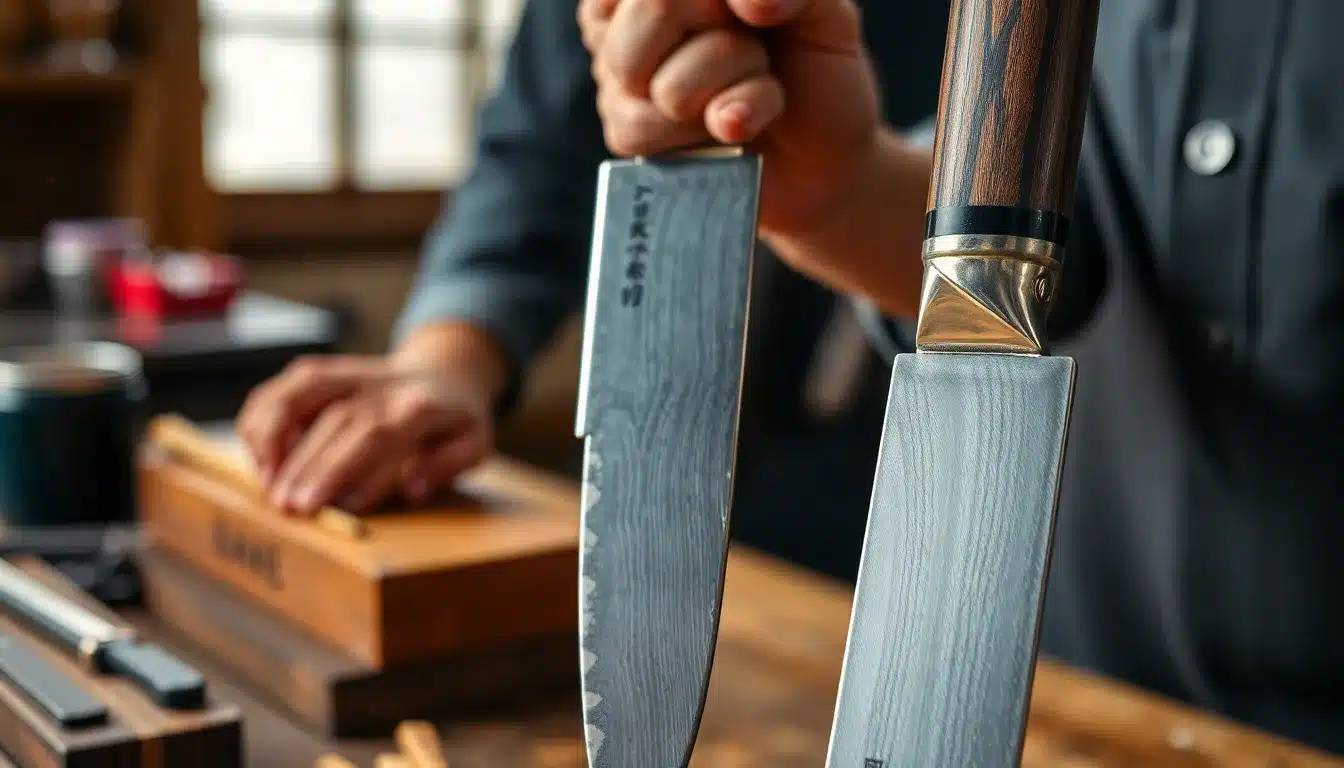
Unveiling the Ultimate Japanese Chefs Knives Review: Expert Insights for 2025
Welcome to the definitive guide on the finest Japanese culinary tools. This comprehensive japanese chefs knives review dives deep into the world of precision craftsmanship, unparalleled sharpness, and ergonomic design that sets Japanese knives apart. Choosing the right chef knife can profoundly transform your cooking, making every slice, dice, and chop a true pleasure. We […]
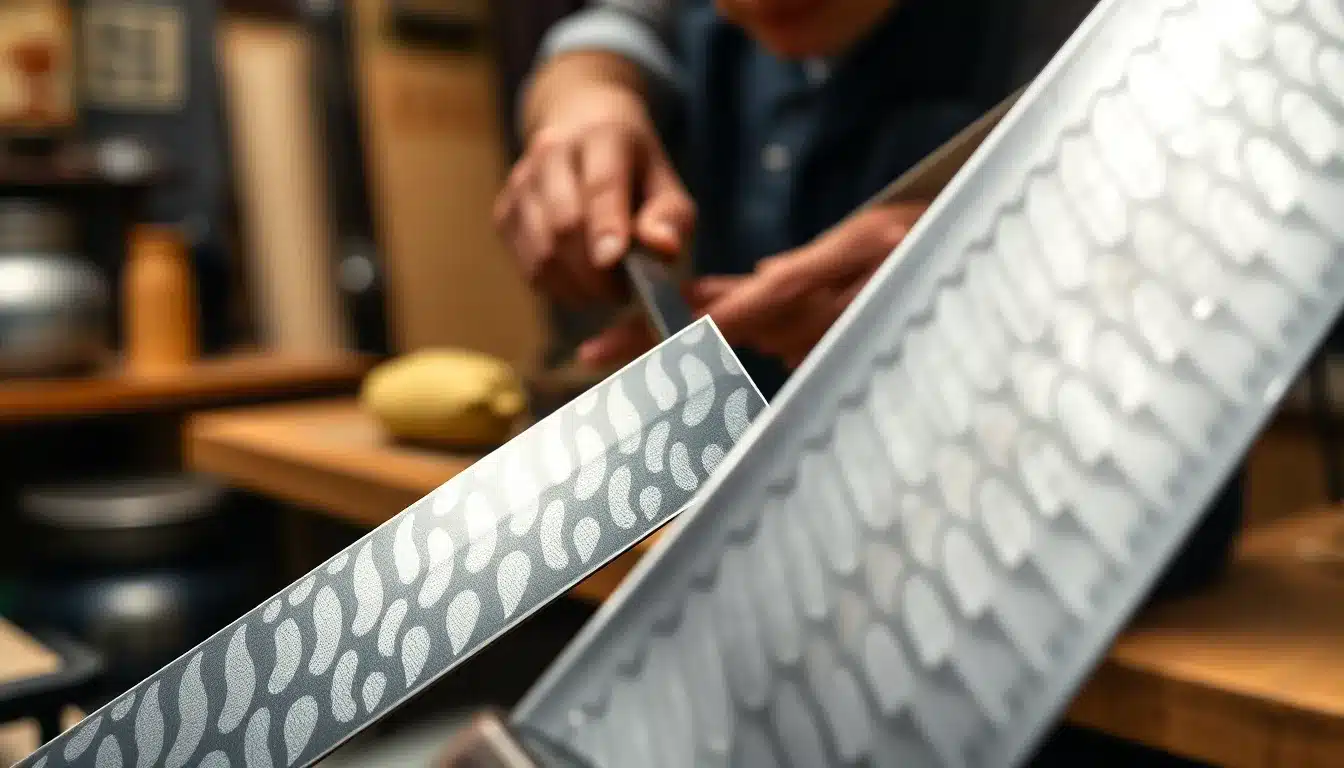
The Definitive Professional Evaluation: High-Quality Japanese Knives
Welcome to the definitive guide on selecting and understanding high-quality Japanese knives. For culinary professionals and discerning home cooks alike, the right blade can dramatically elevate precision, efficiency, and joy in the kitchen. These aren’t just tools; they are a blend of art, science, and centuries of tradition. Our exploration will unveil the intricate details […]