
Unlocking Value: The Ultimate Analysis of Budget Japanese Knives for 2025
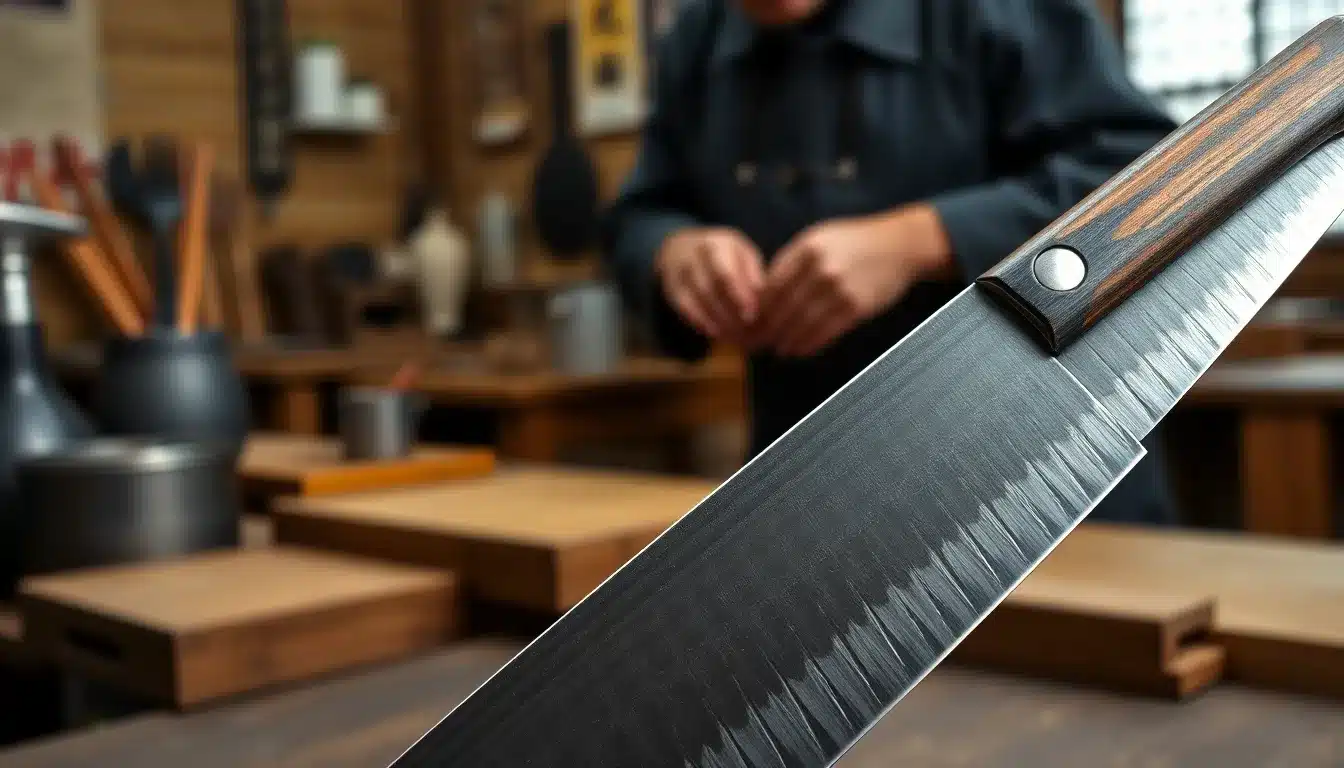
Navigating the vast world of Japanese cutlery doesn’t always require a hefty investment. Many home cooks and even professional chefs seek out incredible value without compromising on performance. This guide dives deep into the realm of budget Japanese knives, proving that exceptional sharpness and durability can be surprisingly affordable in 2025.
We’ll uncover top brands, essential features, and expert tips to help you find the perfect inexpensive Japanese knife that will elevate your culinary skills. Get ready to transform your kitchen experience with blades that punch far above their price point. 🔥
📋 Table of Contents
- 📌 Discovering the Best Budget Japanese Knives: An Introduction
- 📌 Our Top Selections: Best Budget Japanese Knives Reviewed
- 📌 Decoding Value: Essential Features of Budget Japanese Knives
- 📌 The Truth About “Budget Japanese Knives”: Understanding Authenticity and Origin
- 📌 Maximizing Longevity: Care & Sharpening for Your Budget Japanese Knives
- 📌 The Metallurgy of Affordability: Advanced Insights into Budget Japanese Knife Steels
- 📌 Frequently Asked Questions About Budget Japanese Knives
- 📌 Essential Tools & Resources for Your Budget Japanese Knife Journey
- 📌 Real-World Performance: Success Stories with Budget Japanese Knives
- 📌 Elevating Your Kitchen: The Lasting Value of Budget Japanese Knives
Discovering the Best Budget Japanese Knives: An Introduction
The pursuit of high-quality kitchen tools often leads to the assumption that a high price tag is unavoidable. However, the world of Japanese cutlery offers a pleasant surprise: genuinely excellent budget Japanese knives. These aren’t just “cheap” knives; they represent a sweet spot where performance, craftsmanship, and affordability perfectly align.
Our focus today is on helping you unlock this value. We’ll explore how these economical Japanese knives can transform your cooking without breaking the bank. It’s about smart choices and informed decisions in a market often dominated by premium narratives.
What Defines an Affordable Japanese Kitchen Knife?
An affordable Japanese kitchen knife typically falls within the $50-$150 price range, distinguishing itself from both flimsy low-end options and luxury blades. This category emphasizes practical performance and durability for everyday use.
Key characteristics include robust, yet easy-to-sharpen steels, ergonomic handle designs, and blade geometries optimized for specific kitchen tasks. These knives are designed to be workhorses, not just display pieces. For a comprehensive overview, consider reading our Inexpensive Japanese Knives Buying Guide.
Why Invest in Budget Japanese Cutlery: Performance Without the Premium
Investing in budget Japanese cutlery means accessing superior cutting performance, razor-sharp edges, and excellent edge retention at a fraction of the cost of their high-end counterparts. You gain the benefits of Japanese design principles, like thinner blades and harder steels, without the exotic materials or extensive hand-finishing that drive up prices.
These knives are ideal for home cooks looking to upgrade from generic Western knives or for professionals seeking reliable secondary tools. They offer a tangible improvement in efficiency and enjoyment in the kitchen, making everyday prep tasks a breeze. ✅
Our Top Selections: Best Budget Japanese Knives Reviewed
When it comes to finding exceptional budget Japanese knives, certain brands consistently stand out for their commitment to quality and value. These selections offer a fantastic entry point into the world of Japanese cutlery, providing performance that often rivals much more expensive options.
Our expert analysis considers steel quality, handle comfort, edge retention, and overall durability. We’ve highlighted options that represent the best balance of these factors, ensuring you get the most out of your investment.
Tojiro DP Series: The Benchmark for Value and Performance
The Tojiro DP series is consistently praised as one of the best values in Japanese knives, particularly for its VG-10 steel core clad in softer stainless steel. This construction provides excellent edge retention, corrosion resistance, and relative ease of sharpening.
Their classic Western-style handles are comfortable for extended use, making them a popular choice for both home cooks and aspiring chefs. Many consider the Tojiro DP Gyuto a “must-have” for anyone seeking a high-performing yet affordable Japanese chef’s knife. To learn more about this leading brand, visit the official Tojiro website.
Fujiwara FKM: Durable Performance for the Everyday Cook
Fujiwara FKM knives are renowned for their robust construction and use of AUS-8 stainless steel, which offers a great balance of toughness, corrosion resistance, and sharpenability. These knives are often described as workhorses, perfect for busy home kitchens or even commercial environments where durability is key.
While perhaps not as glamorous as some other Japanese brands, their straightforward design and reliable performance make them an excellent choice for those prioritizing practicality and long-term use. They hold an edge well and are forgiving to maintain. 💡
MAC MTH-80: The Hybrid Japanese-Style Workhorse
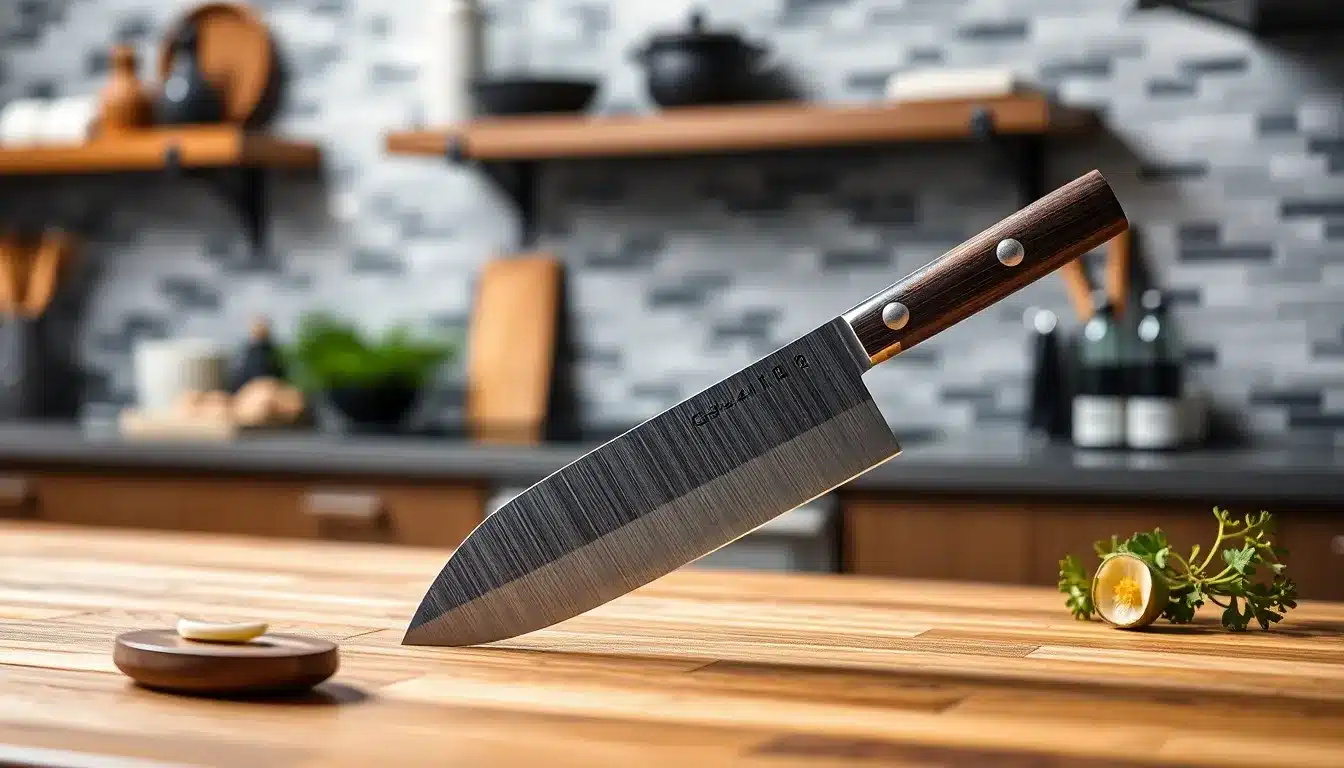
The MAC MTH-80, often referred to as a Chef’s Series Superior Santoku, is a unique hybrid that blends Japanese blade geometry with Western-style ergonomics. It features MAC’s proprietary molybdenum steel, known for its excellent sharpness and impressive edge retention.
The distinct dimpled blade helps food release easily, while the comfortable handle ensures a secure grip. This knife is a favorite among many for its versatility and ability to tackle a wide range of kitchen tasks with precision. You can explore their range on the MAC Knife website.
Yoshihiro (Entry-Level): Accessible Craftsmanship for Beginners
Yoshihiro offers several entry-level lines that provide an accessible introduction to Japanese craftsmanship. While their premium knives are highly sought after, their more affordable options often feature good quality stainless steels like AUS-8 or MoV, providing reliable performance for beginners.
These knives aim to introduce users to the benefits of Japanese blade profiles and sharpness without the intimidating price point. They are an excellent starting point for those looking to experience traditional Japanese cutting performance. They represent authentic Japanese cutlery.🎯
Decoding Value: Essential Features of Budget Japanese Knives
Understanding what makes a budget Japanese knife truly valuable goes beyond just the price tag. It involves a closer look at the core components: the steel, the handle, and the blade’s geometry. These elements collectively determine performance and longevity.
Savvy shoppers know that “budget” doesn’t mean “compromise” on these critical features. Instead, it signifies smart material choices and efficient manufacturing processes that deliver premium feel without premium costs.
Steel Types and Their Impact on Budget Blades: VG-10, AUS-8, and MoV
The type of steel is arguably the most crucial factor in a knife’s performance. In the budget segment, three steel types frequently appear:
- VG-10: A high-carbon stainless steel known for excellent edge retention and good corrosion resistance. It’s often found in clad constructions, offering a harder edge.
- AUS-8: A good all-rounder stainless steel, balancing toughness, corrosion resistance, and ease of sharpening. It’s very forgiving for home users.
- MoV (Molybdenum Vanadium): Another stainless steel variant, often found in European-style Japanese knives, offering decent hardness and good stain resistance.
Each steel offers a different balance, with VG-10 typically providing the best edge retention among these, while AUS-8 and MoV are easier to sharpen. For further insights into materials, explore our Japanese Stainless Steel Knives Guide.
Handle Materials and Ergonomics: Comfort Meets Cost-Efficiency
Budget Japanese knives commonly feature handles made from durable, cost-effective materials like:
- Pakkawood: A composite of wood veneers and resin, offering wood-like aesthetics with enhanced durability and water resistance.
- Resin/Plastic: Lightweight, hygienic, and extremely durable, often molded for ergonomic comfort.
- Traditional Wood (less common in budget): Some entry-level knives might feature basic wooden handles, which require more care.
Ergonomics are crucial for comfort and control. Look for handles that feel secure in your hand and provide good balance with the blade. The goal is a comfortable grip that reduces fatigue during extended use.
Blade Geometry and Grind: Achieving Sharpness on a Budget
The thinness of a Japanese blade and its specific grind are key to its renowned cutting performance. Even budget Japanese knives often retain this characteristic thinness behind the edge, allowing them to glide through ingredients with minimal effort.
A common grind is a double bevel (V-grind), making them suitable for both right and left-handed users. The precision of this geometry, even in mass-produced options, is what enables their impressive sharpness right out of the box and makes them relatively easy to maintain. 🔪
The Truth About “Budget Japanese Knives”: Understanding Authenticity and Origin
The term “budget Japanese knives” can sometimes be misleading. It’s important to understand what you’re truly getting in terms of origin and manufacturing. Authenticity doesn’t always equate to exorbitant cost, but transparency is key.
Distinguishing between different levels of “Japanese” influence helps consumers make informed decisions. We aim to clarify the nuances to ensure you purchase genuine value, not just a label.
Differentiating Japanese-Designed, Japanese-Component, and Made in Japan Blades
When seeking affordable Japanese knives, you’ll encounter a few distinctions:
- Japanese-Designed: Knives whose aesthetics and blade profiles are inspired by traditional Japanese styles, but manufactured entirely outside Japan.
- Japanese-Component: Knives assembled outside Japan but using steel or other core components sourced from Japanese mills.
- Made in Japan: Knives where the entire manufacturing process, from forging to finishing, takes place within Japan. These often represent the highest authenticity, even at entry levels.
While “Made in Japan” is often preferred, Japanese-component knives can still offer excellent quality due to superior steel. It’s crucial to check product descriptions carefully. For further reading, consult The truth about cheap Japanese knives.
Quality Control and Manufacturing Regions: What to Expect from Affordable Makers
Even within the budget segment, reputable Japanese manufacturers uphold strict quality control standards. Brands like Tojiro, Fujiwara, and MAC, even for their entry-level lines, are known for consistent quality.
While some affordable knives may come from non-traditional manufacturing regions (e.g., China or other Asian countries), many Japanese brands still produce their value lines in Japan through optimized, often machine-assisted, processes. This allows them to deliver the precision and quality expected of Japanese knives at a lower price point. Look for transparency from the brand regarding their manufacturing origin. ✅
Maximizing Longevity: Care & Sharpening for Your Budget Japanese Knives
Even the finest budget Japanese knives won’t perform their best or last long without proper care and regular sharpening. The good news is that maintaining these knives is not overly complicated, and it significantly extends their lifespan and performance.
Adopting simple habits for cleaning, storage, and sharpening will ensure your affordable Japanese blades remain razor-sharp and a joy to use for years to come. This section provides practical, actionable advice for home users.
Essential Sharpening Techniques for VG-10 and MoV Steels
Sharpening VG-10 and MoV steels typically involves using a whetstone. Here’s a basic approach:
- Soak Whetstone: Submerge your medium-grit (e.g., 1000-grit) whetstone in water until bubbles stop appearing.
- Set Angle: Hold the knife at a consistent angle (usually 15-20 degrees for Japanese knives) against the stone.
- Grind Both Sides: Apply gentle, consistent pressure, sharpening one side until a burr forms, then repeat on the other side.
- Refine: Move to a finer grit stone (e.g., 3000-6000 grit) to polish the edge and remove the burr.
Regular honing with a ceramic rod between sharpening sessions will also help maintain the edge. For detailed guidance, explore our guide on the Best sharpening stone for Japanese knives.
Preventing Rust and Damage: Daily Care for Affordable Japanese Blades
To keep your budget Japanese knives in pristine condition:
- Wash Immediately: After each use, wash the knife by hand with warm, soapy water. Avoid dishwashers, as harsh detergents and high temperatures can damage the blade and handle.
- Dry Thoroughly: Always dry the knife completely with a soft cloth immediately after washing. Moisture is the primary cause of rust, even on stainless steels.
- Proper Storage: Store knives in a knife block, magnetic strip, or with blade guards to prevent the edge from dulling or chipping by hitting other utensils.
- Avoid Hard Surfaces: Always use a soft cutting board (wood or high-density plastic). Avoid glass, ceramic, or metal surfaces, which will quickly dull or chip the delicate edge.
These simple steps are vital for ensuring the longevity and peak performance of your everyday Japanese kitchen knife. 💡
The Metallurgy of Affordability: Advanced Insights into Budget Japanese Knife Steels
Delving deeper into the steel composition of budget Japanese knives reveals how manufacturers achieve remarkable performance at lower price points. It’s a careful balance of elemental alloys and heat treatment that defines a blade’s characteristics.
Understanding the metallurgy allows home cooks to appreciate the engineering behind their affordable tools. This section provides advanced insights, helping you make even more informed choices for your kitchen arsenal. ⚙️
Unpacking HRC Ratings: Performance Expectations for Budget VG-10, AUS-8, and MoV
The Rockwell Hardness Scale (HRC) indicates a steel’s resistance to indentation, which correlates to its edge retention. For budget Japanese steels:
- VG-10: Typically rated around 60-61 HRC. This high hardness contributes to excellent edge retention, meaning it stays sharp for longer.
- AUS-8: Generally falls within 58-59 HRC. While slightly softer than VG-10, it’s more forgiving, easier to sharpen, and less prone to chipping.
- MoV: Similar to AUS-8, often rated 56-58 HRC. It provides a good balance of durability and ease of maintenance, common in many mass-produced quality knives.
These HRC ratings signify that even economical Japanese knives offer harder, more durable edges than most standard Western knives, which often sit around 54-56 HRC. This is a primary driver of their superior cutting performance. ✅
Edge Retention vs. Ease of Sharpening: A Practical Guide for Home Users
There’s an inherent trade-off between edge retention (how long a knife stays sharp) and ease of sharpening. Harder steels like VG-10 offer superior edge retention but can be more challenging to sharpen if you’re new to whetstones.
Softer steels like AUS-8 and MoV, while needing more frequent touch-ups, are much more forgiving to sharpen. For home users, AUS-8 or MoV can be an excellent choice for learning sharpening techniques, as they respond quickly to whetstones. VG-10 offers the benefit of less frequent maintenance. The best choice depends on your comfort level with sharpening.
Analyzing Blade Flex and Durability in Laminated vs. Mono-Steel Budget Options
Budget Japanese knives can come in two main blade constructions:
- Mono-Steel: A single piece of steel, often AUS-8 or MoV. These blades are generally tougher and more flexible, making them very durable and less prone to catastrophic chipping. They are excellent workhorses.
- Laminated (Clad) Steel: A harder core steel (like VG-10) sandwiched between layers of softer stainless steel. This construction protects the brittle core from shock and provides corrosion resistance. It offers a sharper, longer-lasting edge but can be more susceptible to chipping if mishandled.
Both options offer significant durability benefits over generic knives. The choice often comes down to prioritizing either ultimate edge longevity (laminated) or overall toughness and resilience (mono-steel). For precision cutting, a Japanese Gyuto knife is often favored, available in both styles.
Frequently Asked Questions About Budget Japanese Knives
Many potential buyers have questions about the true capabilities and value of affordable Japanese cutlery. This section addresses common inquiries, providing concise and direct answers to help clarify any doubts. Our goal is to empower you with the knowledge to make confident purchasing decisions.
Are budget Japanese knives truly good for cooking?
Absolutely! Budget Japanese knives are exceptionally good for cooking, often outperforming many higher-priced Western knives. They offer superior sharpness, thinner blade profiles for precise cuts, and excellent edge retention due to their harder steel. For everyday home cooking, they provide a significant upgrade in efficiency and enjoyment.
How do inexpensive Japanese knives maintain their sharpness?
Inexpensive Japanese knives maintain sharpness primarily through their harder steel compositions (like VG-10, AUS-8, or MoV) and thinner blade geometries. While not as hard as ultra-premium steels, these budget options still offer a higher HRC rating than many standard kitchen knives. Regular honing and occasional sharpening on a whetstone will ensure they stay razor-sharp.
What are the main benefits of choosing a budget Japanese knife over a Western one?
The main benefits include superior initial sharpness, better edge retention due to harder steel, and precise cutting performance from thinner blade geometry. Japanese knives often excel in delicate tasks like fine slicing and dicing. They offer an improved culinary experience, allowing for more efficient and enjoyable food preparation. 🔪
What is a good Japanese chef knife under $100?
For under $100, the Tojiro DP Gyuto (8-inch) is consistently recommended as an outstanding Japanese chef knife. It features a VG-10 steel core, excellent edge retention, and a comfortable handle, making it a fantastic entry point for anyone seeking a high-performance yet affordable Japanese gyuto. Other strong contenders include the Fujiwara FKM series.
How do “budget Japanese knives” compare to high-end models?
Budget Japanese knives offer exceptional performance for their price but differ from high-end models in finish, exotic materials, and artisanal craftsmanship. High-end knives may feature custom handles, elaborate Damascus patterns, or harder, more complex steels requiring specialized care. Budget options focus on core performance and utility. For comparison, you can read about Elite High-End Japanese Chef Knives.
Essential Tools & Resources for Your Budget Japanese Knife Journey
Embarking on your journey with budget Japanese knives extends beyond just the purchase of the blade itself. To truly maximize their potential and ensure their longevity, having the right companion tools and educational resources is paramount.
This section outlines crucial accessories for maintenance and directs you to further reading, helping you become a confident and skilled user of your new, affordable Japanese cutlery. It’s about building a complete and sustainable knife system. 🛠️
Recommended Sharpening Stones and Honing Rods for Budget Steels
To keep your budget Japanese knives performing their best, these tools are essential:
- Combination Whetstone (1000/6000 grit): A single stone with a medium side for sharpening and a fine side for refining the edge. This is a perfect starter stone for steels like VG-10, AUS-8, and MoV.
- Ceramic Honing Rod: Used for daily or weekly maintenance to realign the edge and keep it sharp between full sharpening sessions. It’s gentler than steel rods on harder Japanese steels.
- Angle Guide (Optional): A small, inexpensive clip-on guide that helps maintain a consistent sharpening angle, especially useful for beginners.
Investing in good sharpening tools is a one-time expense that pays dividends in extending the life and performance of all your knives. 🎯
Further Reading: Deepening Your Knowledge of Japanese Cutlery
To truly appreciate and get the most out of your budget Japanese knives, continuous learning is key. Here are some areas for further exploration:
Delve into the nuances of different knife types, such as gyutos, santokus, and nakiris, to understand their specific applications. Learn more about advanced sharpening techniques, including different types of whetstones and stropping. Explore the rich history and regional differences in Japanese knife making. This deeper knowledge enhances your appreciation and skill. Understanding carbon vs. stainless steel is also crucial for care.
Real-World Performance: Success Stories with Budget Japanese Knives
The true testament to the value of budget Japanese knives lies in their performance in everyday kitchens. These aren’t just theoretical advantages; they translate into tangible improvements for real people. This section highlights how affordable Japanese blades have transformed the cooking experiences of many.
From amateur enthusiasts to seasoned home chefs, the stories consistently demonstrate that quality cutting tools don’t need to come with an intimidating price tag. Value Japanese blades truly make a difference. 📈
Home Cooks’ Transformations: Upgrading Kitchen Experience with Affordable Blades
Many home cooks describe a “before and after” experience when switching to an affordable Japanese knife. “I used to dread chopping onions,” recounts Sarah M., a satisfied Tojiro DP owner, “but now my Gyuto glides through them effortlessly. It’s made cooking so much more enjoyable and faster!”
This sentiment is echoed by countless others who discover that a sharp, well-designed Japanese knife makes prep work less of a chore and more of a pleasure. The precision and ease of use significantly elevate the entire kitchen experience, often for less than $100.
The “$75 Gyuto Challenge”: Maximizing Value in Daily Kitchen Tasks
The “$75 Gyuto Challenge” is a popular online trend where cooks aim to find the best all-around Japanese chef’s knife for under $75. Participants consistently highlight brands like Fujiwara and Tojiro, demonstrating that these knives excel in a variety of daily tasks.
From precise julienning to efficient protein slicing, these budget options prove their mettle. The challenge underscores the fact that high-performance doesn’t equate to high cost, showing how economical Japanese knives can still dominate kitchen work. It’s about smart material choices and efficient manufacturing, not just brand prestige.
From Hobbyist to Enthusiast: The Budget Japanese Knife Upgrade Path
For many cooking hobbyists, a budget Japanese knife serves as the perfect entry point, sparking a deeper interest in culinary tools. John D., a hobbyist baker, shares: “My first budget Santoku from Yoshihiro opened my eyes to how good a knife could be. Now, I’m slowly building a collection and learning sharpening techniques.”
This common trajectory shows how an initial affordable investment can lead to a lasting passion for Japanese cutlery. It’s an accessible gateway for developing skills and appreciating the art of fine blades. Such value Japanese blades often become cherished tools.
Elevating Your Kitchen: The Lasting Value of Budget Japanese Knives
As we’ve explored, the market for budget Japanese knives offers an incredible opportunity for anyone looking to enhance their culinary journey without significant financial outlay. These knives prove that high-performance, precision, and durability are not exclusive to the most expensive options on the market.
By understanding the key features, trusted brands, and essential care practices, you can confidently select an affordable Japanese knife that will serve you exceptionally well for years to come. It’s about smart choices and informed decisions. 🎯
Key Takeaways: Smart Choices for Affordable Japanese Blades
When selecting your next budget Japanese knife, remember these key points:
- Prioritize reputable brands like Tojiro, Fujiwara, MAC, and Yoshihiro for consistent quality.
- Understand steel types (VG-10 for edge retention, AUS-8/MoV for ease of sharpening) and choose based on your needs.
- Focus on comfortable, ergonomic handles made from durable materials like Pakkawood or resin.
- Commit to proper care—hand washing, immediate drying, and correct storage—to ensure longevity.
- Regular sharpening with appropriate whetstones will maintain peak performance of your economical Japanese knife.
Ready to Cut? Your Next Steps to Finding the Perfect Budget Japanese Knife
Armed with this comprehensive analysis, you are now well-equipped to make an informed decision. Start by identifying your primary cutting needs and preferred steel characteristics. Research specific models from the recommended brands, keeping an eye on user reviews and expert recommendations.
Your journey to superior cutting performance at an affordable price point is just beginning. Embrace the value and precision that budget Japanese knives offer. Your kitchen, and your cooking, will thank you for it! 🔪
🔪 Discover Premium Japanese Knives at JapaneseKnivesWorld
At JapaneseKnivesWorld, we are passionate about authentic Japanese cutlery, helping chefs and cooking enthusiasts discover the finest knives from Japan’s master craftsmen.
⚔️ Curated selection of premium Japanese knives from legendary makers
🗾 Expert guides on Japanese steel types and craftsmanship techniques
📚 Comprehensive reviews and comparisons of top knife brands
🎯 Professional advice for choosing your perfect Japanese knife
Ready to find your perfect Japanese knife?
🔗 Explore our complete buying guides and expert recommendations at JapaneseKnivesWorld.com
Follow us for daily knife insights:
🌐 Website
Japanese Knives World
Expert reviews, buying guides and craftsmanship stories about Japanese kitchen knives.
Talk to the teamRelated articles
Buy Japanese Knives: Your Ultimate Professional Evaluation for 2025
Navigating the vibrant market to buy Japanese knives in 2025 requires a discerning eye and expert knowledge. This comprehensive guide provides a professional evaluation, empowering you to make informed decisions whether you’re a seasoned chef or a passionate home cook. From understanding intricate blade geometries to selecting premium steel types, we delve into every aspect […]
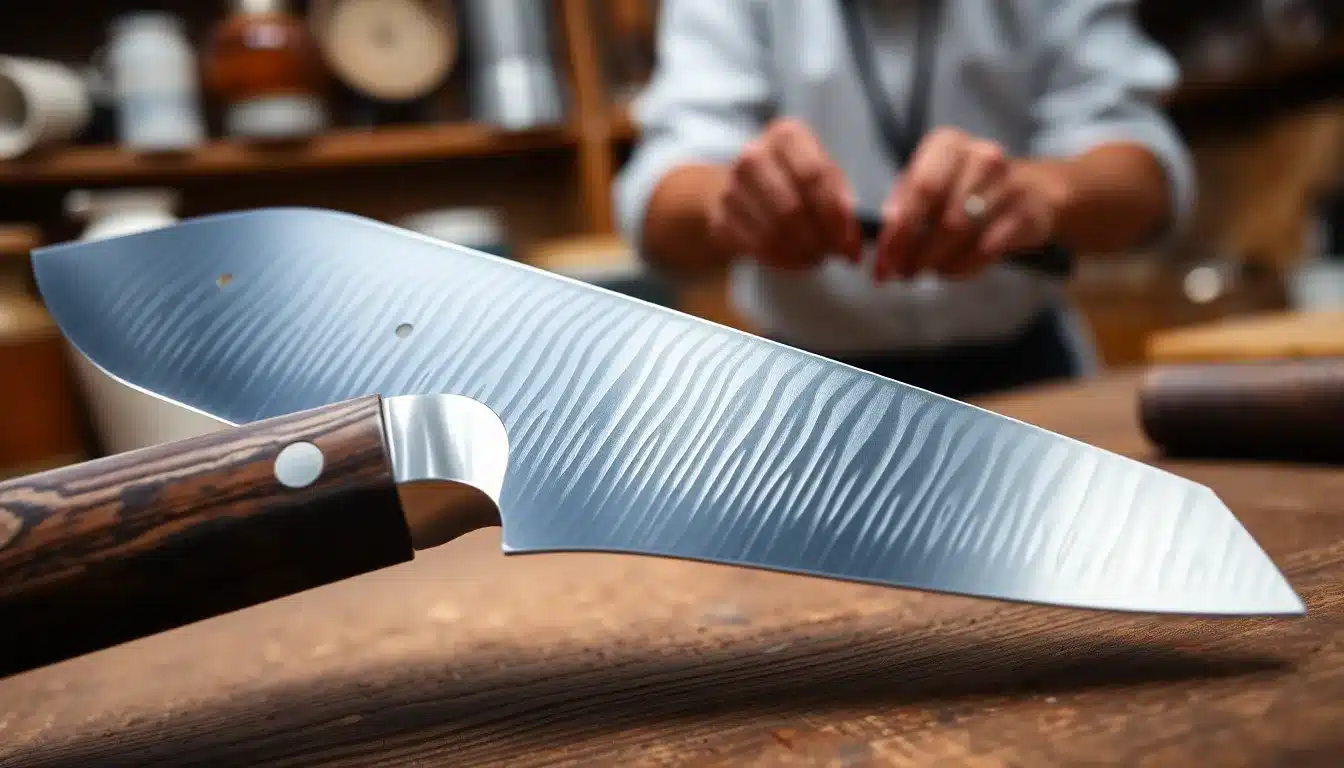
The Ultimate Selection of Japanese Chef Knives in NYC: A Master-Crafted Buyer’s Guide
New York City’s vibrant culinary landscape is a melting pot of global flavors, and at its heart, a growing demand for precision tools fuels the quest for the finest Japanese chef knives. Whether you’re a Michelin-starred chef or a passionate home cook, the pursuit of exceptional cutlery leads directly to japanese chef knives nyc. These […]
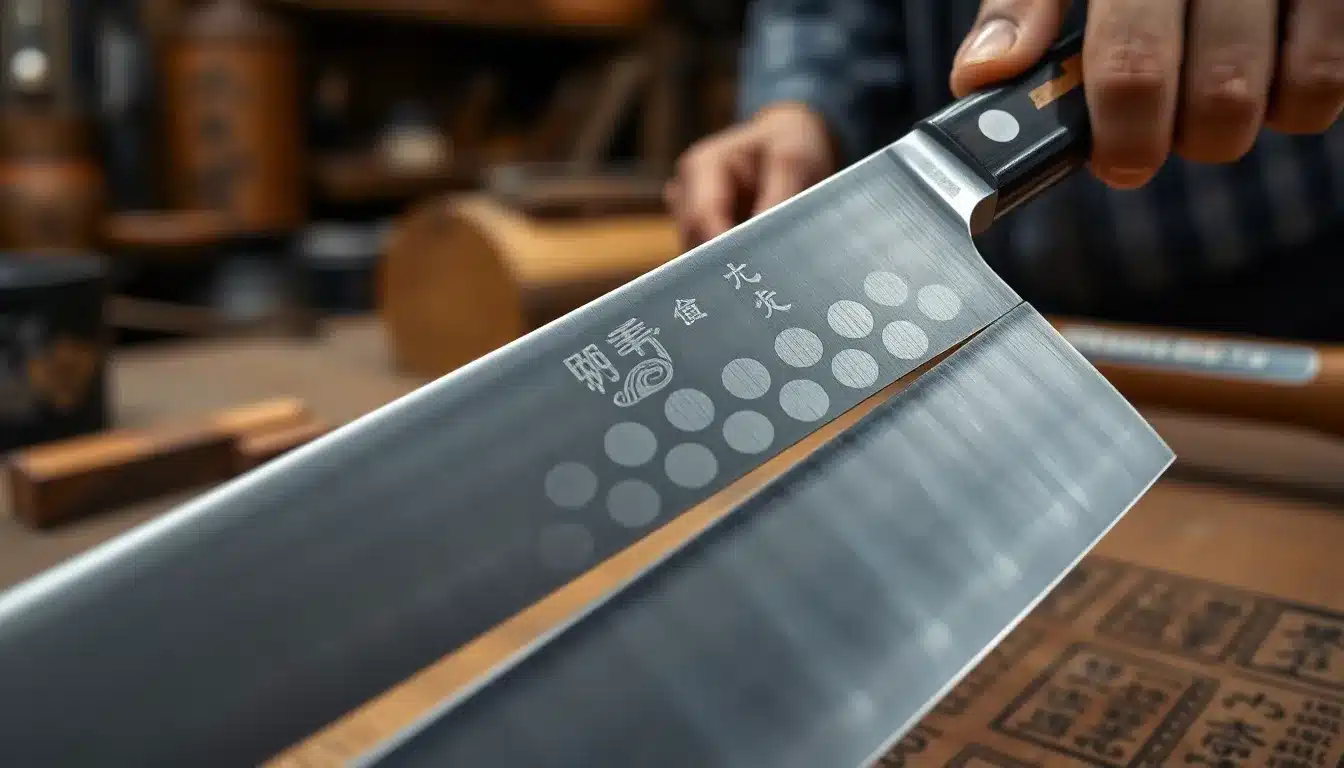
Ultimate High Quality Japanese Knives: The Definitive Investment Evaluation for Discerning Chefs
Investing in high quality japanese knives is a transformative decision for any culinary enthusiast or professional chef. These aren’t just tools; they are a blend of precision engineering, centuries-old tradition, and artistic craftsmanship. A truly superior Japanese knife promises unparalleled sharpness, exceptional edge retention, and an elevated cutting experience that few other knives can match. […]