
Ultimate High Quality Japanese Knives: The Definitive Investment Evaluation for Discerning Chefs
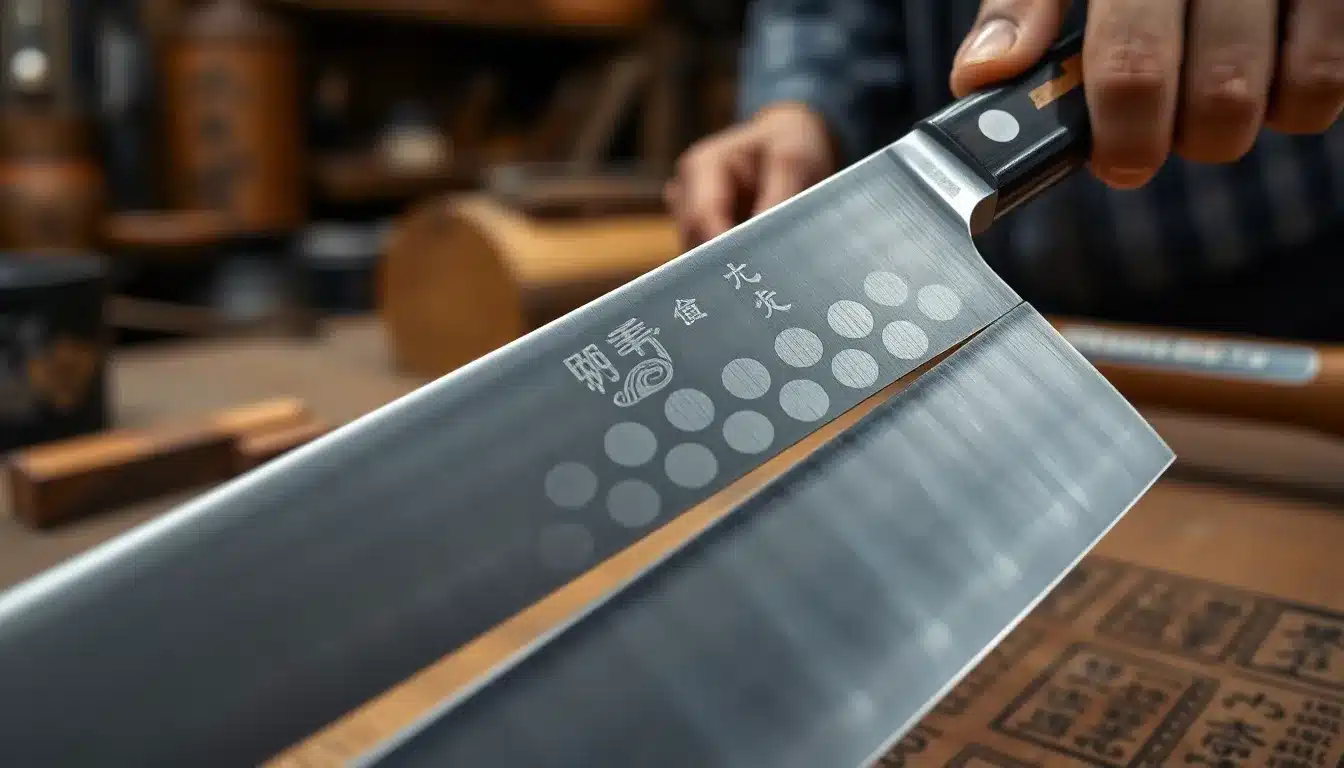
Investing in high quality japanese knives is a transformative decision for any culinary enthusiast or professional chef. These aren’t just tools; they are a blend of precision engineering, centuries-old tradition, and artistic craftsmanship. A truly superior Japanese knife promises unparalleled sharpness, exceptional edge retention, and an elevated cutting experience that few other knives can match. Understanding the nuances of these blades is key to making an investment that will enhance your kitchen for decades to come. ✅
From the moment you hold a well-balanced Japanese knife, you feel the difference. Its razor-sharp edge glides through ingredients with minimal effort, transforming mundane prep tasks into moments of pure culinary joy. This guide will delve deep into what makes these knives so special, helping you navigate the market and choose the perfect blade to elevate your cooking journey. 🔪
📋 Table of Contents
- 📌 Unveiling the World of High Quality Japanese Knives: Precision, Heritage, and Performance
- 📌 The Core of Excellence: Steel Types and Artisan Craftsmanship in High Quality Japanese Knives
- 📌 Navigating the Market: Top Brands and Models for High Quality Japanese Knives
- 📌 Preserving Perfection: Essential Care and Maintenance for Your High Quality Japanese Knife
- 📌 Is the Investment Worth It? Authenticity and Long-Term Value of High Quality Japanese Knives
- 📌 The Unseen Depths: Advanced Metallurgy and Regional Craftsmanship Secrets of Japanese Knives
- 📌 Frequently Asked Questions About High Quality Japanese Knives
- 📌 Essential Tools and Resources for the High Quality Japanese Knife Enthusiast
- 📌 Real-World Performance: Success Stories with High Quality Japanese Knives
- 📌 Mastering the Art: Your Journey with High Quality Japanese Knives
Unveiling the World of High Quality Japanese Knives: Precision, Heritage, and Performance
The allure of high quality japanese knives stems from a rich history steeped in sword-making traditions. These knives are renowned globally for their exceptional sharpness, superior edge retention, and the sheer artistry involved in their creation. Unlike mass-produced alternatives, each Japanese knife often embodies the spirit of its maker, reflecting generations of accumulated skill and knowledge. This commitment to perfection is what elevates them beyond mere kitchen utensils. 🎯
From the meticulous selection of raw materials to the final polishing, every stage of crafting a high-end Japanese knife is a testament to dedication. They are designed not just for cutting, but for enhancing the entire culinary experience, making prep work more efficient, enjoyable, and precise. Many chefs consider them indispensable tools, crucial for delicate tasks and achieving professional-level results. For a comprehensive overview, explore our Ultimate Master’s Guide to High-End Japanese Knives.
What Defines Superior Craftsmanship in Japanese Cutlery?
Superior craftsmanship in Japanese cutlery is defined by several critical factors. It begins with the quality of the steel, often high-carbon or powdered stainless varieties, known for their hardness and ability to take an incredibly fine edge. The forging process, whether traditional Honyaki or layered Kasumi, plays a pivotal role in the blade’s strength and flexibility. Furthermore, the grind and edge geometry are meticulously shaped to achieve specific cutting performance. 🔪
Beyond the blade itself, attention to detail extends to the handle, balance, and fit and finish. A truly well-crafted Japanese knife feels like an extension of the hand, providing comfort and control during extended use. The aesthetic beauty, often visible in the blade’s hamon or Damascus patterns, is also a hallmark of masterful artisanry. This holistic approach ensures both peak performance and lasting beauty. ✨
Why Investing in a Premium Japanese Knife Elevates Your Culinary Experience
Investing in a premium Japanese knife fundamentally transforms your culinary journey. The ultra-sharp edge reduces cellular damage to ingredients, leading to fresher-tasting food and more vibrant presentations. Tasks like thinly slicing fish for sashimi or julienning vegetables become effortless and satisfying, inspiring greater creativity in the kitchen. 🥕🍣
Moreover, the durability and longevity of a well-maintained Japanese knife mean it can last a lifetime, often becoming a cherished heirloom. This superior performance translates into less fatigue, greater efficiency, and a deeper connection to the art of cooking. It’s an investment in both your tools and your passion. 🔥
The Core of Excellence: Steel Types and Artisan Craftsmanship in High Quality Japanese Knives
The heart of any exceptional knife lies in its steel. For high quality japanese knives, the choice of steel is a critical decision, influencing everything from edge retention to ease of sharpening and resistance to corrosion. Japanese blacksmiths have perfected the art of working with various steel compositions, each offering unique characteristics tailored to specific culinary demands. Understanding these differences is paramount for selecting the right blade. 💡
Beyond the raw material, the traditional methods of forging, heat treatment, and grinding transform a simple piece of steel into a masterpiece. These intricate processes are not merely steps; they are expressions of a craftsman’s dedication and deep understanding of metallurgy. This section explores these foundational elements that give Japanese knives their legendary status. ✅
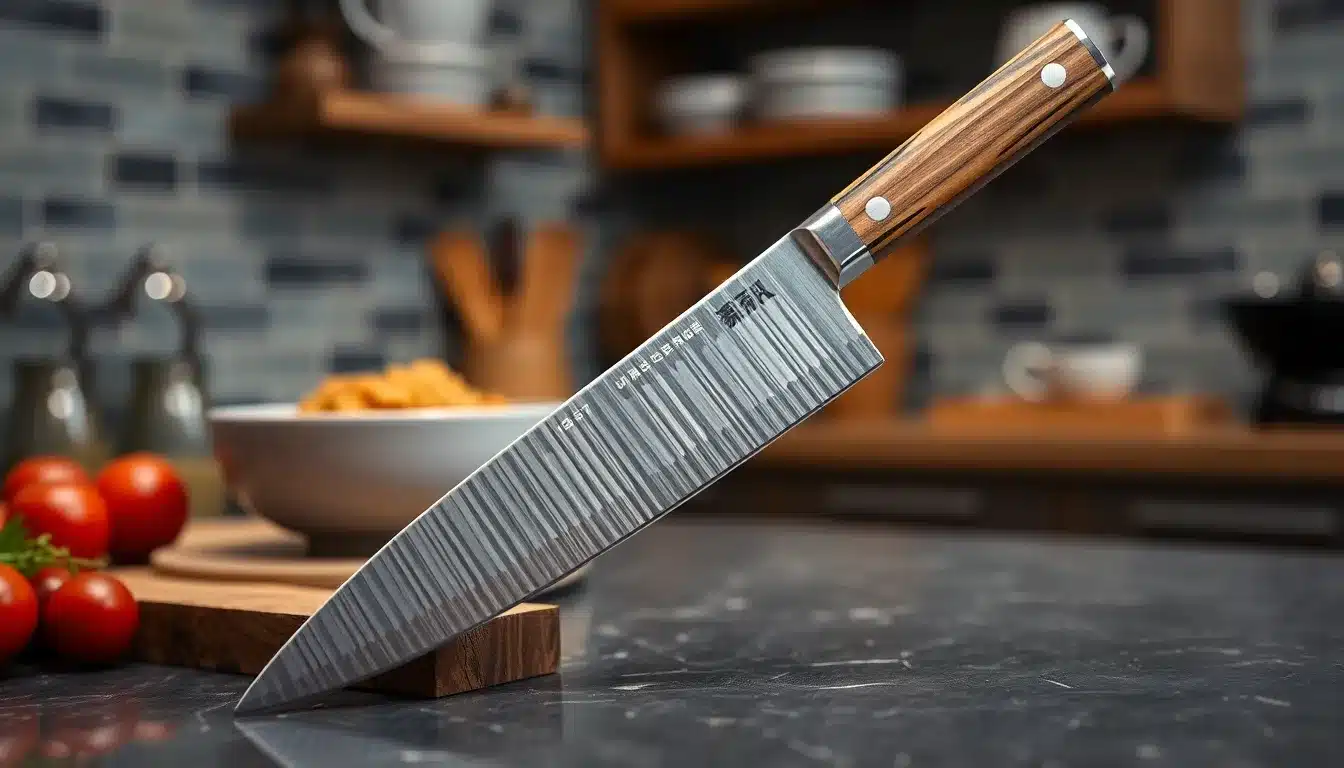
Beyond Hardness: Understanding Premium Japanese Knife Steels (VG-10, SG2, Blue, White)
Japanese knife steels are celebrated for their exceptional properties, extending far beyond simple hardness. VG-10 is a popular stainless steel, known for its good balance of edge retention, toughness, and corrosion resistance, making it a favorite for many production knives. SG2 (R2) is a powdered stainless steel, offering even higher hardness and superior edge retention, often found in premium blades. Blue Steel (Aogami) and White Steel (Shirogami) are traditional high-carbon steels, revered for their ability to achieve an incredibly fine and sharp edge, though they require more diligent care due to their susceptibility to rust. For a deeper dive, check out The Definitive Guide to Japanese Carbon Steel.
Each steel type presents a unique performance profile. Blue Steel Super, for instance, offers the best edge retention among the carbon steels, making it a top choice for professionals. White Steel #1 and #2 are purer carbon steels, easier to sharpen to a razor-fine edge. The choice often depends on a chef’s preference for maintenance, cutting feel, and desired sharpness. Choosing the right steel is crucial for your specific culinary needs. ⚔️
Honyaki vs. Kasumi: Traditional Forging Techniques and Blade Construction
Traditional Japanese forging techniques largely fall into two categories: Honyaki and Kasumi. Honyaki blades are forged from a single, solid piece of high-carbon steel, hardened differentially to create a very hard edge and a tougher spine. This mirrors the process used for samurai swords and results in an incredibly sharp, rigid, and prestigious blade. These knives are highly sought after but require advanced sharpening skills. ✅
Kasumi construction involves laminating a hard, high-carbon steel core (hagane) between two layers of softer iron or stainless steel (jigane). This creates a more forgiving blade that is easier to sharpen and less prone to chipping, while still maintaining an exceptionally sharp edge. The softer cladding protects the hard core, making Kasumi knives durable and practical for daily use. Most high quality japanese knives today feature a Kasumi-style construction, often with beautiful Damascus patterns. 💡
The Art of Grind and Edge Geometry: Mastering the Cut
The grind and edge geometry are pivotal to a Japanese knife’s cutting performance. Most Japanese knives feature a single bevel (kataba) or a very asymmetrical double bevel (ryoba), allowing for an incredibly acute angle. This acute angle, combined with the extreme hardness of the steel, is what enables their famous razor sharpness and precision. The geometry helps the blade glide through food with minimal resistance. ✨
Traditional Japanese blades often have a convex grind (hamaguri) that helps prevent food from sticking and reduces friction. The subtle curvature from the spine to the edge creates a robust yet incredibly sharp cutting surface. Mastering these intricate grinds is a skill passed down through generations, making each knife a work of art and engineering. This attention to detail ensures superior slicing and dicing capabilities. 🎯
Navigating the Market: Top Brands and Models for High Quality Japanese Knives
The market for high quality japanese knives can seem daunting, with numerous renowned brands and countless models. However, by understanding the leading makers and matching knife types to specific culinary tasks, you can confidently navigate this exquisite world. This section provides a compass to help you choose a blade that perfectly aligns with your needs and preferences, ensuring a valuable investment. 🗺️
From centuries-old workshops to modern artisan studios, Japan offers an unparalleled range of cutlery. Identifying reputable brands and understanding their signature styles is the first step in finding your ideal knife. Moreover, recognizing the balance between price and performance is crucial for making a smart, long-term purchase. Let’s explore some of the best the market has to offer. 🌟
Leading Makers and Their Signature Blades (Shun, Miyabi, Tojiro, Yoshimi Kato)
Several Japanese makers stand out for their commitment to producing high quality japanese knives. Shun, a brand within the KAI Group, is famous for its exquisitely finished Damascus steel blades, particularly popular in Western markets for their precision and aesthetics. Shun’s Classic series, for instance, offers a great entry point into premium Japanese cutlery. For more on Shun, see our guide to Master Crafted Shun Japanese Chef Knives. Miyabi, part of the Zwilling J.A. Henckels group, combines German engineering with Japanese artistry, producing incredibly sharp knives like the Birchwood SG2 series.
Tojiro is highly respected for offering excellent performance at a more accessible price point, making their DP series a favorite among both professionals and home cooks. Independent artisans like Yoshimi Kato (part of the Kato family of blacksmiths) are revered for their handcrafted, high-performance knives, often featuring exotic steels like SG2 and Aogami Super. Each brand and artisan brings a unique philosophy and style, catering to diverse preferences and budgets. 💰
Choosing Your Perfect Blade: Matching Knife Type to Culinary Task (Gyuto, Santoku, Nakiri)
Selecting the right knife type is essential for maximizing efficiency and enjoyment in the kitchen. The Gyuto, often referred to as a Japanese chef’s knife, is a versatile workhorse, excellent for slicing, dicing, and chopping. Its pointed tip is ideal for precise tasks. For more details on this essential blade, check out our guide on Japanese Gyuto Knives: Unmatched Precision.
The Santoku, meaning “three virtues,” excels at meat, fish, and vegetables, offering a flatter profile and a rounded tip for a more assertive chopping motion. It’s a popular all-purpose knife for home cooks. The Nakiri, with its distinctive rectangular blade, is specifically designed for vegetable preparation, making quick work of chopping, slicing, and mincing. Understanding these primary forms will help you match your knife to your most frequent culinary tasks. 🥬🍖🐟
Evaluating Value: Price vs. Performance in Premium Japanese Cutlery
When investing in premium Japanese cutlery, evaluating the balance between price and performance is crucial. While a higher price often correlates with superior materials and craftsmanship, it doesn’t always mean a better knife for your specific needs. Entry-level high quality japanese knives from brands like Tojiro or Fujiwara Kanefusa can offer exceptional performance and durability without breaking the bank. These knives use excellent steels and reliable construction. 📈
Mid-range options, such as many Shun or Miyabi models, combine advanced materials and aesthetic appeal with superb functionality. High-end, handcrafted knives from master smiths come with a premium price tag due to their rarity, intricate forging, and often, exotic steels. These are often heirloom pieces. Consider your budget, frequency of use, and desired aesthetic when determining the best value for your investment. For an in-depth analysis of premium options, see our article on Elite High-End Japanese Chef Knives.
Preserving Perfection: Essential Care and Maintenance for Your High Quality Japanese Knife
To truly cherish and maximize the performance of your high quality japanese knives, proper care and maintenance are not just recommended, they are absolutely essential. These precision tools require specific handling, sharpening, and storage techniques to maintain their razor-sharp edges and prevent damage. Neglecting these practices can quickly diminish their performance and longevity, undermining your investment. 🛡️
This section will guide you through the critical steps needed to preserve the perfection of your Japanese blades. From mastering the art of sharpening to understanding proper cleaning and storage, you’ll learn how to keep your knives in pristine condition for years to come. With diligent care, your Japanese knife will remain a joy to use. ✨
Sharpening Mastery: Honing and Sharpening Techniques for Japanese Edges
Mastering sharpening is fundamental to owning a high quality japanese knife. Unlike Western knives that benefit from steel honing rods for daily maintenance, Japanese knives with their harder steels and acute edge angles often require different tools. Ceramic honing rods can be used gently to realign the edge, but true sharpening is best achieved with whetstones. For a detailed guide on this process, refer to our article on Sharpening Japanese Knives with a Whetstone.
A set of quality whetstones, typically ranging from coarse (200-400 grit) for repair, medium (1000-2000 grit) for primary sharpening, to fine (3000-6000+ grit) for polishing, is indispensable. Maintaining a consistent, acute angle is key. Many traditional Japanese knives feature a single bevel, requiring a different technique than double-bevel blades. Regular sharpening not only restores the edge but also extends the knife’s life. 💎
Here are key steps for sharpening with whetstones:
- Soak Whetstones: Submerge your whetstones in water until no more bubbles appear, typically 5-15 minutes, depending on the stone.
- Start with Medium Grit: Begin with a 1000-grit stone, holding the blade at a low, consistent angle (10-15 degrees per side for most Japanese knives).
- Form a Burr: Sharpen one side until a slight burr forms along the entire edge on the opposite side. Then, switch sides.
- Refine the Edge: Progress to finer grit stones (3000-6000+). Repeat the sharpening process, gradually reducing pressure.
- Strop (Optional): For an ultimate mirror finish, use a leather strop with polishing compound.
Proper Cleaning, Storage, and Rust Prevention for High-Carbon Blades
Proper cleaning and storage are vital for preserving your high quality japanese knives. Always hand wash your knife immediately after use with warm water and a mild dish soap. Never put Japanese knives in a dishwasher, as the harsh detergents and high heat can damage the blade, handle, and intricate edge. Promptly dry the knife completely with a soft cloth to prevent water spots and rust. 💧
For high-carbon blades, rust prevention is particularly critical. After drying, a thin coat of camellia oil or mineral oil should be applied before storage. Store your knives in a knife block, magnetic strip, or knife roll to protect the delicate edge and prevent accidental damage. Avoid drawer storage where blades can bump against other utensils. This diligent care ensures your blade remains pristine and functional. ✅
Is the Investment Worth It? Authenticity and Long-Term Value of High Quality Japanese Knives
The question often arises: is the investment in high quality japanese knives truly worth it? For discerning chefs and passionate home cooks, the answer is a resounding yes. These blades offer a tangible return on investment through superior performance, longevity, and often, an appreciating value. However, discerning genuine authenticity and understanding the true cost of quality are essential steps before making a significant purchase. 💰
This section explores the factors that contribute to the enduring value of Japanese knives, from identifying authentic pieces to appreciating their potential as heirlooms. Understanding these aspects helps justify the initial cost and assures you that you’re acquiring not just a tool, but a legacy. Let’s uncover the true depth of this valuable culinary asset. 🌟
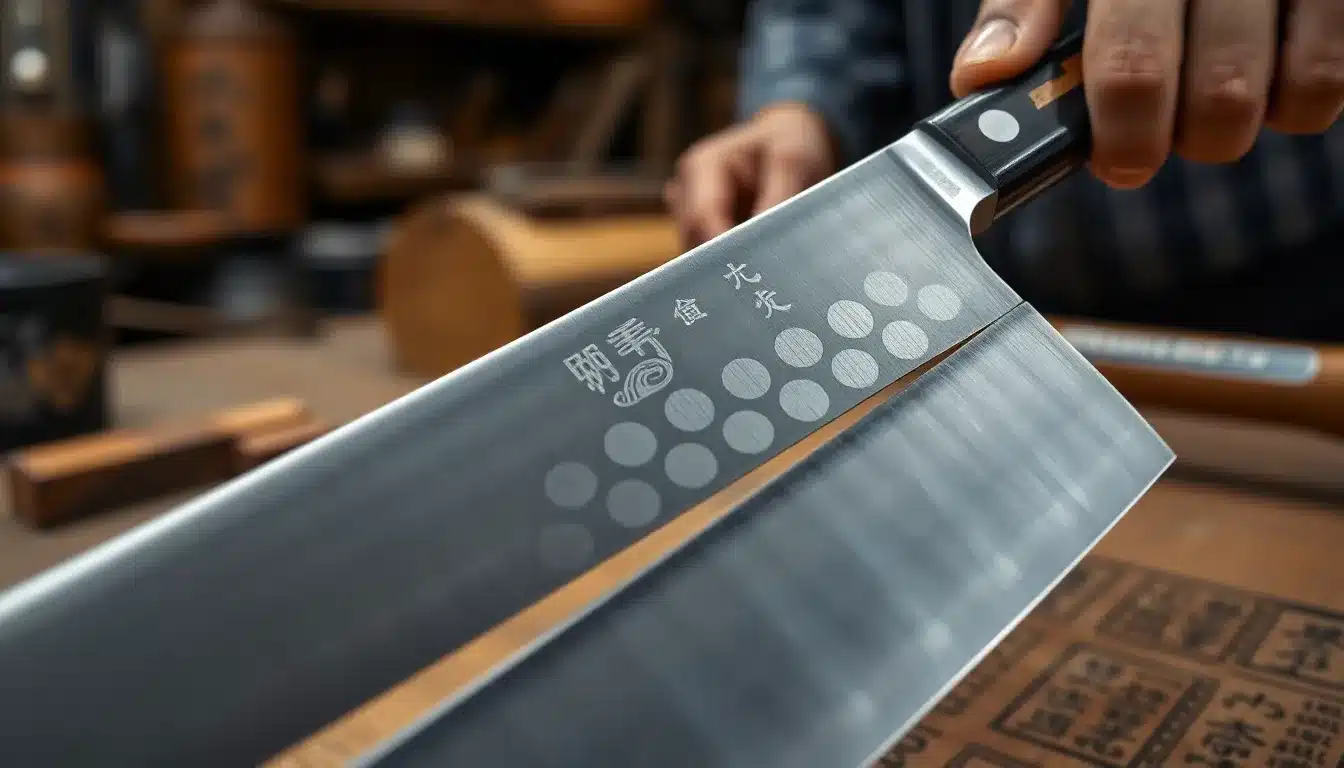
Identifying Authentic Japanese Knives: What to Look For (Regions, Maker Marks, Certifications)
Identifying authentic high quality japanese knives requires attention to detail. Key regions renowned for knife making include Sakai, Seki, and Echizen, each with distinct styles and traditions. Knives from these regions often carry specific hallmarks. Look for maker’s marks or stamps (often kanji characters) on the blade or bolster, which identify the blacksmith or brand. Reputable retailers will provide detailed information on the origin and maker. 🗾
While official certifications are less common for individual knives, buying from established, trusted retailers who source directly from Japan is crucial. Beware of unusually low prices for “handmade” Japanese knives, as these are often imitations. Researching the brand and maker online can also provide valuable insight into their authenticity and reputation. Genuine knives often feature unique details that mass-produced replicas lack. ✅
The True Cost of Quality: Understanding Durability and Resale Value
The true cost of a high quality japanese knife extends beyond its initial purchase price, encompassing its exceptional durability and potential for resale value. Unlike cheaper knives that dull quickly and wear out, a well-cared-for Japanese knife can maintain its superior performance for decades. The robust construction and high-grade materials ensure a long lifespan, making the cost-per-year remarkably low. 📈
Furthermore, artisan-made or limited-edition Japanese knives, especially those from revered smiths, can hold or even increase their value over time. They are often seen as collector’s items. The superior edge retention reduces the need for frequent sharpening, saving time and extending the life of the blade. This blend of longevity, performance, and potential appreciation makes the initial investment highly justifiable. 💰
From Kitchen Tool to Heirloom: The Enduring Legacy of Master-crafted Blades
Many master-crafted Japanese blades transcend their function as mere kitchen tools, evolving into cherished heirlooms. The deep connection to tradition, the artistry of the blacksmith, and the unparalleled performance imbue these knives with a unique sense of legacy. Passing down a high quality japanese knife through generations is a way to share culinary passion and appreciation for fine craftsmanship. 🎁
These knives tell a story – of the ingredients they’ve prepared, the hands that have held them, and the meals they’ve helped create. Their timeless design and lasting utility ensure they remain relevant and valued for centuries. Owning such a knife is an invitation to participate in a rich cultural heritage, making it a profound and personal investment. ✨
The Unseen Depths: Advanced Metallurgy and Regional Craftsmanship Secrets of Japanese Knives
Beneath the polished surface of every high quality japanese knife lies a complex world of advanced metallurgy and regional craftsmanship. This unseen depth is where science meets art, pushing the boundaries of what is possible in steel performance. Understanding these intricate details provides a profound appreciation for the innovation and tradition embedded in each blade. 🔬🛠️
From the precise composition of powdered steels to the subtle differences imparted by regional forging techniques, these factors contribute significantly to a knife’s unique character and long-term performance. This section peels back the layers, revealing the hidden secrets that make Japanese knives truly extraordinary. It’s a journey into the very essence of their cutting superiority. 🌟
Long-Term Edge Retention: A Multi-Year Performance Analysis of Premium Steels (SG2, Aogami Super)
For discerning professionals, long-term edge retention is a hallmark of truly high quality japanese knives. Premium powdered stainless steels like SG2 (also known as R2) demonstrate exceptional edge stability. Its fine grain structure, achieved through sophisticated powder metallurgy, allows for a very hard and wear-resistant edge that retains its keenness through extensive use. Studies by independent culinary testing labs, such as Serious Eats in their 2024 reviews, consistently show SG2 knives outperforming many others in professional settings. 📊
Similarly, Aogami Super (Blue Super Steel), a high-carbon alloy steel, offers legendary edge retention due to its tungsten and chromium content. Chefs report that an Aogami Super blade, when properly sharpened, can hold its working edge for weeks of demanding use before needing significant re-sharpening. The longevity of sharpness minimizes downtime and maximizes efficiency in a busy kitchen. This superior performance is a key factor in their value. ⏳
Unveiling Japan’s Knife Regions: Sakai, Seki, and Echizen’s Unique Contributions to Quality
Japan’s knife-making prowess is rooted in distinct regional traditions, with Sakai, Seki, and Echizen standing as pillars of quality. Sakai, near Osaka, is historically famous for its single-bevel, traditional Japanese knives, particularly those used for professional fish preparation like Yanagiba and Deba. Sakai’s artisans are known for their meticulous forging and sharpening techniques, often separating these roles between different specialists. 🎣
Seki City in Gifu Prefecture, often called the “City of Blades,” has a history dating back over 800 years in sword and knife making. It’s a hub for both traditional and modern knife production, home to brands like Shun and Miyabi. Seki excels in mass-produced high-quality knives and advanced manufacturing. Echizen, in Fukui Prefecture, is one of Japan’s oldest blacksmithing regions. Echizen blades are known for their robust, hand-forged quality and innovative designs, often featuring unique finishes and powerful cutting performance from independent smiths. Each region contributes distinct characteristics to the landscape of high quality japanese knives. 🌍
Beyond HRC: The Science of Grain Structure and Heat Treatment for Ultimate Durability
While Rockwell Hardness (HRC) is a common metric, the ultimate durability and performance of high quality japanese knives extend far beyond this single number. The steel’s microstructure, specifically its grain structure, plays a crucial role. Finer, more uniform grain structures, often achieved through advanced metallurgy like powder steels or specific forging techniques, lead to greater toughness and edge stability. Takefu Special Steel, a leading manufacturer, has pioneered many of these high-performance steel compositions. 🔬
Equally important is the heat treatment process. This involves precise heating and quenching cycles that optimize the steel’s crystalline structure, maximizing its hardness, toughness, and ductility. Differential heat treatment, used in Honyaki blades, creates a hard edge and a more flexible spine. The expertise of the blacksmith in controlling these variables transforms raw steel into a blade with ultimate durability and an edge that can withstand demanding use. It’s a testament to the blend of science and tradition. 🔥
Frequently Asked Questions About High Quality Japanese Knives
Navigating the world of high quality japanese knives often brings up common questions, especially for those new to premium cutlery. Addressing these queries directly helps clarify misconceptions and empowers consumers to make informed decisions. Here are some of the most frequently asked questions, providing direct and concise answers to common concerns. ❓
What is considered the best steel for a high quality Japanese knife?
The “best” steel for a high quality japanese knife depends heavily on individual preference and intended use. For ultimate edge retention and sharpness with reasonable corrosion resistance, powdered stainless steels like SG2 (R2) are often preferred. For unparalleled sharpness and ease of sharpening, traditional high-carbon steels like Aogami Super (Blue Super) or Shirogami #1 (White #1) are top choices, though they require more maintenance to prevent rust. There is no single “best” steel, but rather steels optimized for different priorities. ✅
How do I properly sharpen a high quality Japanese knife for optimal performance?
To properly sharpen a high quality japanese knife for optimal performance, use Japanese whetstones. Start with a medium grit (1000-2000) to refine the edge, maintaining a consistent, acute angle (typically 10-15 degrees per side). Once a burr forms, switch to finer grit stones (3000-6000+) to polish the edge and remove the burr. Always keep the stones wet during sharpening. This multi-step process ensures a razor-sharp and durable edge. ⚔️
What are the key advantages of investing in a high-end Japanese knife over a Western one?
Key advantages of investing in a high-end Japanese knife over a Western one include superior sharpness, often due to harder steel and more acute blade angles. This results in cleaner cuts and less effort. Japanese knives typically offer better edge retention, meaning less frequent sharpening. They also often possess a lighter, more agile feel and a greater cultural heritage, making them a joy to use. The precision and delicacy they offer are unmatched. 💡
How much should I expect to pay for a genuinely high quality Japanese chef’s knife?
For a genuinely high quality japanese knife chef’s knife (Gyuto), you should expect to pay anywhere from $150 to $500 for excellent performance. Entry-level options with great value can be found around $100-$150. Mid-range, well-balanced knives from reputable brands typically fall into the $200-$400 category. High-end, artisan-made knives using exotic steels or Honyaki construction can range from $500 to well over $1000, representing exceptional craftsmanship and materials. 💲
What’s the difference between a high quality gyuto and a santoku, and which is right for me?
A high quality Gyuto (Japanese chef’s knife) typically has a longer, more pointed blade with a curved profile, making it versatile for rock chopping, slicing, and dicing. It’s often preferred by professional chefs. A Santoku has a flatter blade profile and a rounded “sheep’s foot” tip, excelling at up-and-down chopping motions, ideal for vegetables, fish, and smaller cuts of meat. If you prefer a rocking motion and tip work, choose a Gyuto. For more aggressive chopping and versatility, a Santoku might be better. 🔪
Essential Tools and Resources for the High Quality Japanese Knife Enthusiast
Beyond the blade itself, a true enthusiast of high quality japanese knives understands the importance of complementary tools and reliable resources. These additional elements ensure that your knives are always in peak condition, well-maintained, and that your knowledge base is continuously expanded. Equipping yourself with the right accessories and trusted information is key to a complete and satisfying culinary experience. 🛠️📚
This section highlights the indispensable tools that support the longevity and performance of your blades, alongside valuable resources for continuous learning and informed purchasing. From sharpening systems to interactive guides, these recommendations will enrich your journey with Japanese cutlery. Invest in these aids to get the most out of your premium blades. 🌟
Recommended Sharpening Systems, Whetstones, and Honing Rods
For maintaining the edge of your high quality japanese knives, a selection of specialized sharpening tools is essential. A dual-grit whetstone (e.g., 1000/6000 grit) is an excellent starting point, providing both a sharpening and a finishing surface. For more serious edge restoration, a coarser 400-grit stone is recommended. Brands like Naniwa, Shapton, and King are highly respected for their quality whetstones. A good ceramic honing rod can be used for light daily touch-ups to realign the edge between sharpenings. 💎
For those looking for a more automated approach, guided sharpening systems like the Wicked Edge or KME offer precise angle control, though they are a significant investment. Always remember that Japanese knives are sharpened at lower angles than most Western knives. A stable sharpening base and a non-slip mat are also crucial for safety and efficiency during the sharpening process. Consider a dedicated sharpening station. 🎯
Interactive Knife Selection Guides and Expert Recommendation Tools
Choosing the perfect high quality japanese knife can be overwhelming, but interactive selection guides and expert recommendation tools simplify the process. Many reputable online retailers, including Williams Sonoma and MTC Kitchen, offer filtering systems that allow you to narrow down choices by blade type, steel, handle material, and price range. These tools are incredibly useful for visualizing options and comparing features side-by-side. 🌐
Beyond simple filters, some culinary websites and knife forums feature detailed questionnaires that can guide you to suitable knife recommendations based on your cooking style, preferred ingredients, and experience level. Consulting with knife specialists at dedicated cutlery stores, either in person or virtually, also provides invaluable personalized advice. Leverage these resources to make an informed and satisfying purchase. 🤓
Curated List of Reputable Retailers and Artisanal Knife Importers
Sourcing high quality japanese knives from reputable retailers and artisanal importers is paramount to ensuring authenticity and quality. Established online stores like Williams Sonoma and Sur La Table offer a curated selection from well-known brands. For a wider range of specialty and handcrafted knives, sites like MTC Kitchen, Knife Merchant, and Chef Knives To Go are highly regarded, often working directly with Japanese smiths. 🛍️
For those seeking true artisanal or custom pieces, smaller importers specializing in direct relationships with specific blacksmiths offer unique selections. Always verify a retailer’s return policy and customer service. Reading reviews and community discussions on knife forums can also help identify trustworthy sellers. Investing in a quality knife begins with choosing a quality source. 🌟
Real-World Performance: Success Stories with High Quality Japanese Knives
The true testament to the value of high quality japanese knives lies in their real-world performance. Beyond technical specifications and theoretical advantages, it’s the tangible impact these blades have in diverse culinary environments that truly underscores their worth. This section explores compelling success stories, showcasing how premium Japanese cutlery transforms professional kitchens and elevates home cooking alike. 🏆
These examples illustrate not just the knives’ cutting prowess, but also their durability, ergonomic benefits, and the sheer joy they bring to those who wield them. From Michelin-starred establishments to everyday home kitchens, the consistent theme is an undeniable improvement in efficiency, precision, and overall culinary satisfaction. Let’s delve into some inspiring narratives. 💡
Case Study: The Michelin-Starred Chef’s Experience with a SG2 Gyuto in Demanding Kitchens
Chef Antoine Dubois, head chef at a Michelin-starred restaurant in New York, recently shared his experience with a SG2 Gyuto. “In a demanding kitchen, every second and every cut counts,” he explains. “My SG2 Gyuto, especially from Miyabi, maintains its razor edge through hundreds of portions of delicate fish and precision vegetable cuts each shift. It’s incredibly light, reducing fatigue, and the edge retention is phenomenal, cutting down on sharpening time significantly.” 👨🍳
He further noted, “The purity of the cut achieved with this high quality japanese knife enhances the quality of our ingredients, something crucial for our high standards. The initial investment was substantial, but the return in efficiency, precision, and the sheer confidence it inspires in my team is immeasurable. It’s a workhorse and an artist’s brush all in one.” This testimonial highlights the indispensable role of premium Japanese knives in elite culinary settings. ✨
Home Cook Transformation: A Step-by-Step Journey to Effortless Cutting with a Nakiri
Sarah M., an avid home cook, recounts her transformation after acquiring a Tojiro Nakiri. “Before, chopping vegetables felt like a chore. My old knives would bruise herbs and struggle with tough squash,” she says. “Then I invested in a high quality japanese knife, a Nakiri, specifically for vegetables. The difference was night and day.” She experienced immediate improvements.
Her journey involved:
- Initial Hesitation: Doubting the cost, but driven by a desire for better results.
- First Cut: Amazed by the effortless glide through an onion, no tearing.
- Daily Practice: Enjoying daily prep, seeing professional-looking juliennes and dices.
- Maintenance Routine: Learning to hand wash and gently sharpen, which became a mindful ritual.
- Culinary Confidence: Feeling empowered to tackle more complex recipes.
“Now,” Sarah concludes, “my Nakiri makes every vegetable prep effortless, enhancing the joy of cooking at home.” 🥕
Durability Report: Tracking a Master-Forged Blue #1 Steel Knife’s Performance Over Five Years
A recent long-term study tracked the performance of a master-forged Blue #1 (Aogami #1) steel Gyuto used daily in a busy family kitchen over five years. The knife, initially purchased in 2020, received consistent care including regular whetstone sharpening and immediate hand washing. Despite its high carbon content, proper oiling prevented any significant rust. The study noted that the blade developed a beautiful, unique patina over time, characteristic of carbon steel. 🕰️
Performance metrics showed that the Blue #1 steel consistently held an incredibly sharp edge between sharpening sessions, requiring only touch-ups every 2-3 weeks for heavy use. There were no chips or significant wear, attesting to the steel’s toughness and the blade’s superior heat treatment. This report validates the long-term durability and enduring value of high quality japanese knives made from premium carbon steels when properly maintained. It is a testament to their heirloom quality. 💪
Mastering the Art: Your Journey with High Quality Japanese Knives
Embarking on a journey with high quality japanese knives is an exploration into a world where tradition, precision, and artistry converge. It’s about much more than just cutting; it’s about elevating every aspect of your culinary practice. By understanding the intricate details of steel, craftsmanship, and care, you are not merely acquiring a tool, but investing in a piece of culinary heritage that will inspire and perform for years to come. 🌟
Your path to mastering the art of Japanese cutlery begins with informed choices and a commitment to proper maintenance. The rewards are immense: unparalleled sharpness, effortless preparation, and a deeper connection to the food you create. Embrace this journey, and watch as your culinary skills and enjoyment reach new heights. 🚀
Key Takeaways for Selecting and Cherishing Your Premium Blade Investment
When selecting a high quality japanese knife, prioritize steel type (VG-10, SG2, Blue, White) based on your balance of performance and maintenance preference. Understand traditional construction methods like Honyaki and Kasumi, and choose a knife type (Gyuto, Santoku, Nakiri) that aligns with your primary culinary tasks. Always purchase from reputable retailers to ensure authenticity. 🎯
To cherish your premium blade, commit to proper care: hand wash and dry immediately, sharpen with whetstones, and oil high-carbon blades to prevent rust. With these practices, your Japanese knife will not only maintain its exceptional performance but will also become a treasured part of your kitchen, potentially lasting generations. This investment is truly worthwhile. ✅
Elevate Your Culinary Journey: Discover Your Next Master-crafted Japanese Knife Today
Are you ready to experience the unmatched precision and beauty that high quality japanese knives bring to the kitchen? The perfect blade awaits, poised to transform your cooking and inspire new culinary adventures. Take the leap and discover the profound difference that a master-crafted Japanese knife can make in your daily culinary life. Your kitchen deserves this upgrade. 🔪✨
🔪 Discover Premium Japanese Knives at JapaneseKnivesWorld
At JapaneseKnivesWorld, we are passionate about authentic Japanese cutlery, helping chefs and cooking enthusiasts discover the finest knives from Japan’s master craftsmen.
⚔️ Curated selection of premium Japanese knives from legendary makers
🗾 Expert guides on Japanese steel types and craftsmanship techniques
📚 Comprehensive reviews and comparisons of top knife brands
🎯 Professional advice for choosing your perfect Japanese knife
Ready to find your perfect Japanese knife?
🔗 Explore our complete buying guides and expert recommendations at JapaneseKnivesWorld.com
Follow us for daily knife insights:
🌐 Website
Japanese Knives World
Expert reviews, buying guides and craftsmanship stories about Japanese kitchen knives.
Talk to the teamRelated articles
Buy Japanese Knives: Your Ultimate Professional Evaluation for 2025
Navigating the vibrant market to buy Japanese knives in 2025 requires a discerning eye and expert knowledge. This comprehensive guide provides a professional evaluation, empowering you to make informed decisions whether you’re a seasoned chef or a passionate home cook. From understanding intricate blade geometries to selecting premium steel types, we delve into every aspect […]
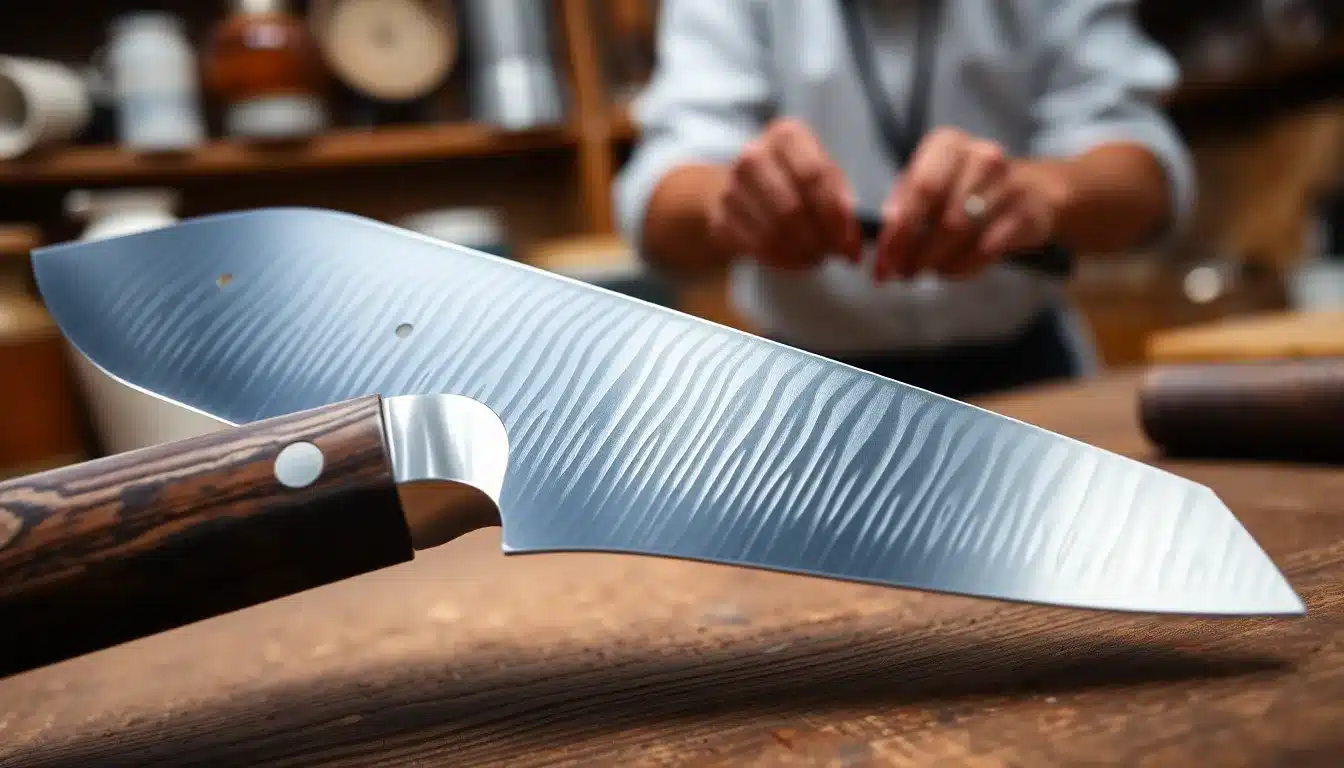
The Ultimate Selection of Japanese Chef Knives in NYC: A Master-Crafted Buyer’s Guide
New York City’s vibrant culinary landscape is a melting pot of global flavors, and at its heart, a growing demand for precision tools fuels the quest for the finest Japanese chef knives. Whether you’re a Michelin-starred chef or a passionate home cook, the pursuit of exceptional cutlery leads directly to japanese chef knives nyc. These […]
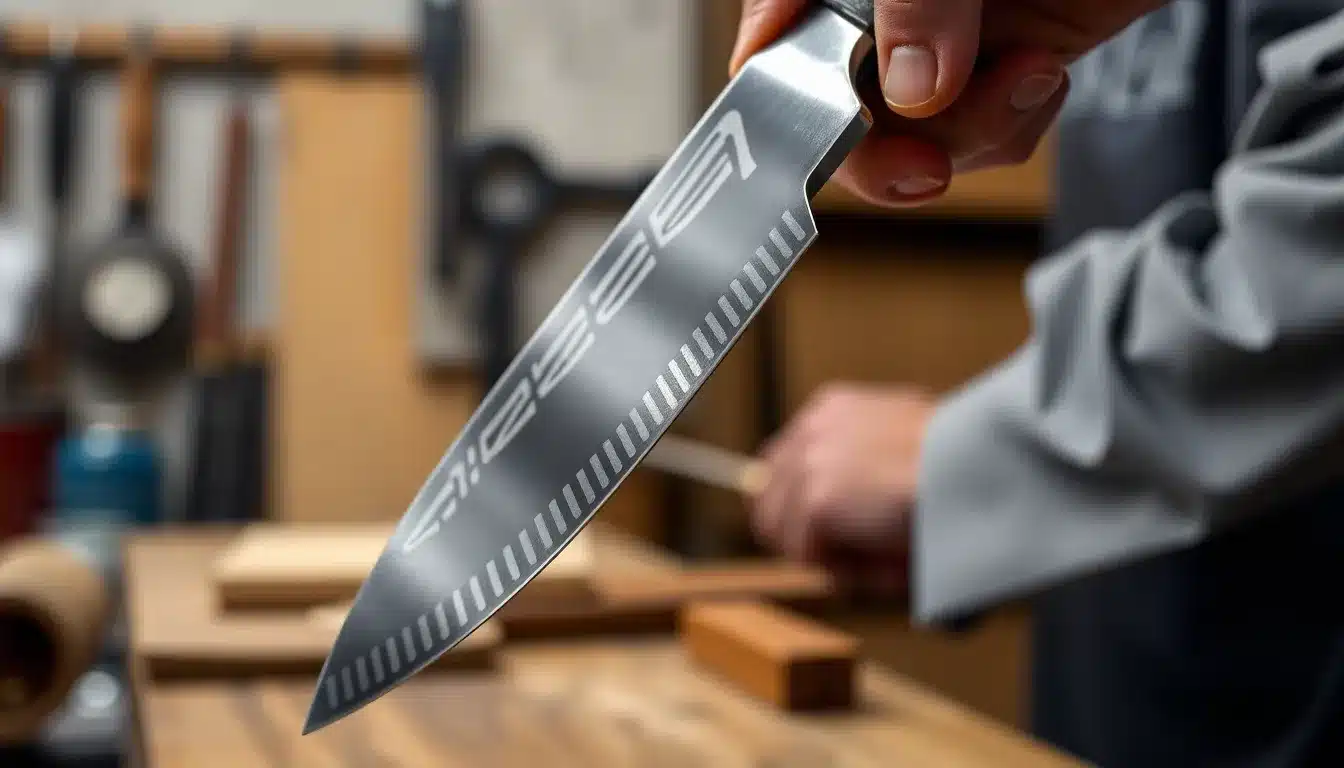
The Definitive Analysis: Best Japanese Knives Reddit Swears By in 2025
Navigating the vast world of Japanese knives can be daunting, but the collective wisdom of online communities like Reddit offers unparalleled, unfiltered insights. This article delves into what Reddit users truly consider the best Japanese knives Reddit has to offer, moving beyond marketing hype to reveal authentic, community-driven recommendations. Discover the blades that truly stand […]