Precision Custom Japanese Knives: Everything You Need to Know About Forging Your Dream Blade
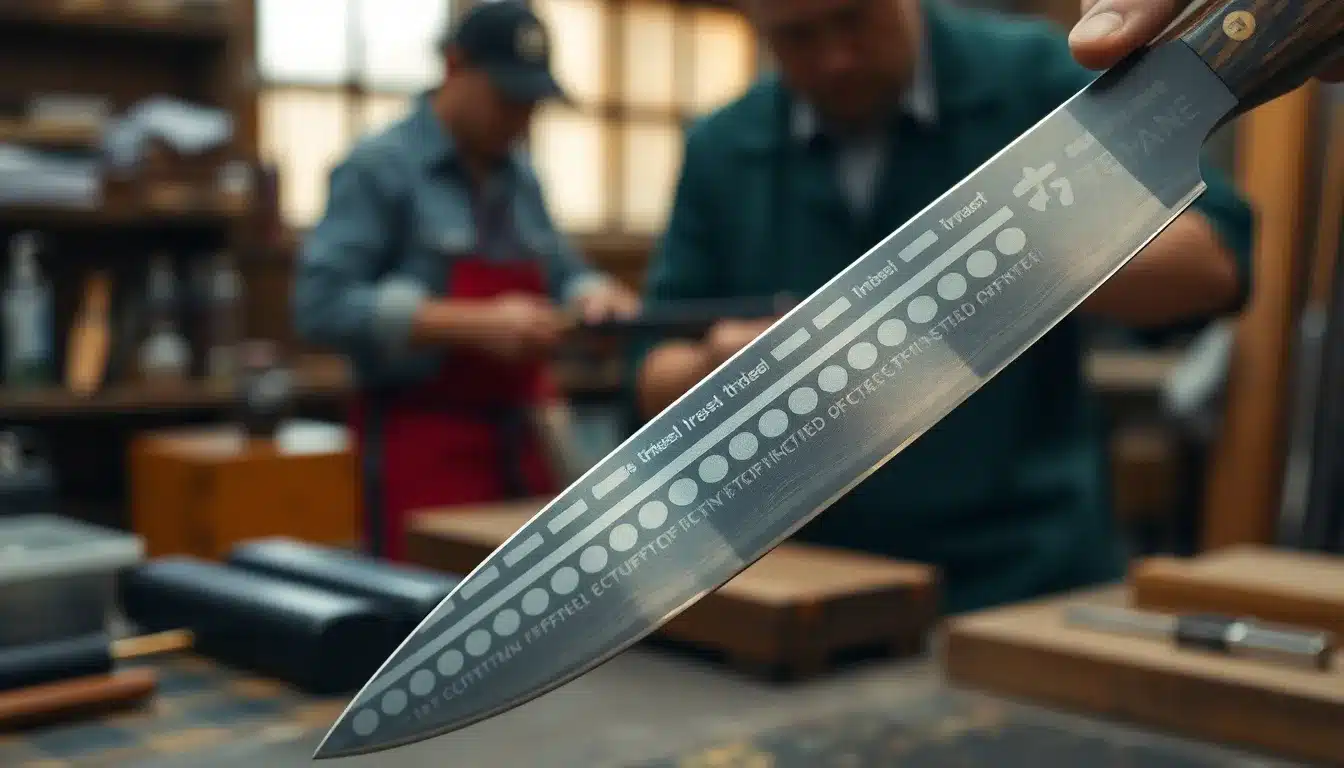
The culinary world is constantly evolving, with a growing appreciation for tools that blend unparalleled performance with personal expression. In this pursuit, custom Japanese knives stand out as the ultimate choice for discerning chefs and passionate home cooks alike. These bespoke blades are not merely kitchen tools; they are functional works of art, meticulously crafted to your exact specifications.
Investing in a custom Japanese knife means embarking on a journey from concept to creation, resulting in a blade that feels like an extension of your hand. This definitive guide explores everything you need to know about forging your dream blade, from understanding the intricate metallurgy to selecting the perfect handle, and finding the artisan who can bring your vision to life in 2025.
📋 Table of Contents
- 📌 Unveiling the World of Custom Japanese Knives
- 📌 The Art and Science Behind Custom Japanese Knife Forging
- 📌 Mastering Blade Geometry: Custom Grinds and Edge Profiles
- 📌 Navigating the Market: Finding Your Ideal Custom Japanese Knife Maker in the US
- 📌 The True Value of Custom Japanese Knives: Investment & Longevity
- 📌 2025 Trends in US Custom Japanese Knives: Innovation & Heritage
- 📌 Metallurgy Beyond the Basics: Advanced Steel Science for Custom Japanese Knives
- 📌 Frequently Asked Questions About Custom Japanese Knives
- 📌 Essential Tools and Resources for Custom Japanese Knife Enthusiasts
- 📌 Realizing Culinary Visions: Success Stories with Custom Japanese Knives
- 📌 Embracing the Journey of Your Custom Japanese Knife
Unveiling the World of Custom Japanese Knives
The allure of Japanese cutlery lies in its rich heritage and unparalleled sharpness. When you elevate this to a custom level, you unlock a realm of personalized performance and aesthetic beauty.
Custom Japanese knives are specifically designed and handcrafted to meet individual user preferences. Unlike mass-produced or even standard handmade knives, a bespoke blade considers your unique grip, cutting style, preferred ingredients, and aesthetic tastes.
This level of personalization ensures that the knife not only performs optimally but also feels like a natural extension of your hand. It’s about creating a culinary tool that truly resonates with its owner. For an in-depth look at this craft, consider reading our guide on crafting elite custom Japanese knives.
What Defines a True Custom Japanese Knife?
A true custom Japanese knife is characterized by its collaborative creation process. It begins with a detailed consultation between the client and the bladesmith, discussing everything from blade profile and length to steel type, handle material, and decorative elements.
Each aspect is carefully chosen and executed, making every single knife unique. This is a crucial distinction from simply selecting an existing handmade model off a shelf, as the knife is built from the ground up for you.
The artisan’s skill transforms these specifications into a tangible, high-performance tool. It’s the culmination of traditional techniques blended with modern customization. This thoughtful approach ensures unmatched comfort and precision.
Why Invest in a Bespoke Japanese Blade?
Investing in a bespoke Japanese blade offers numerous advantages, primarily centered around performance, comfort, and personal connection. A knife tailored to your hand reduces fatigue during prolonged use and enhances cutting accuracy.
Beyond ergonomics, a custom knife reflects your personal style and culinary aspirations. It becomes a statement piece, a cherished heirloom, and a reliable partner in the kitchen, built to last a lifetime with proper care.
This deep personal investment fosters a connection to your tools rarely found with factory-made items. It transforms a functional object into a piece of art that tells a story, your story, in the kitchen. For expert insights, delve into Japanese custom knives: expert insights.

The Art and Science Behind Custom Japanese Knife Forging
The creation of a custom Japanese knife is a profound blend of ancient forging traditions and modern metallurgical science. This intricate process ensures each blade possesses exceptional edge retention, sharpness, and durability.
Understanding these foundational elements is key to appreciating the value and craftsmanship of your bespoke tool. It’s a journey that combines the brute force of a hammer with the delicate touch of a master. For more on high-end blades, explore our Ultimate Master’s Guide to High-End Japanese Knives.
Understanding the Bespoke Knife Making Process
The bespoke knife-making process typically begins with material selection, followed by forging the raw steel into the desired blade shape. This involves multiple cycles of heating and hammering, which refines the grain structure of the steel.
Subsequent steps include grinding the primary bevels, heat treatment (hardening and tempering), and often, a final precision grinding and polishing. Each stage is critical, impacting the blade’s final performance characteristics.
The artisan’s expertise guides every hammer blow and grind, ensuring the steel reaches its optimal potential. It’s a testament to patience and profound material knowledge. This meticulous attention to detail defines true quality.
Choosing the Right Steel for Your Custom Japanese Knife: Aogami, Shirogami, and Beyond
Selecting the steel type is perhaps the most crucial decision for your custom Japanese knife. Japanese bladesmiths traditionally favor high-carbon steels like Aogami (Blue Paper Steel) and Shirogami (White Paper Steel) from Hitachi Metals, known for their exceptional hardness and keen edge retention.
Aogami often contains chromium and tungsten, adding toughness and rust resistance, while Shirogami is purer, offering an incredibly fine edge but requiring more diligent care. Modern options also include stainless steels like VG-10 or SG2 (R2), which combine performance with easier maintenance.
The choice depends on your priorities: ultimate sharpness with higher maintenance (carbon steel) or a balance of performance and practicality (stainless). Reputable steel producers like Takefu Special Steel also offer innovative options such as their Super Gold 2 (SG2) powdered steel. According to a recent article by Serious Eats, blade steel is the single most important factor for performance in chef knives.
Ergonomics and Aesthetics: Selecting Handle Materials and Design
The handle of your custom Japanese knife is as important as the blade itself for comfort and control. Traditional Japanese handles, known as “wa-handles,” are typically octagonal or D-shaped and made from natural woods like magnolia, ebony, or rosewood, often paired with a buffalo horn ferrule.
For a custom piece, options expand to exotic woods, stabilized wood, G10, micarta, and even custom resin composites, allowing for endless aesthetic possibilities. Ergonomics are paramount; the handle should fit your hand perfectly, providing balance and reducing fatigue.
Consider the weight distribution (blade-heavy or handle-heavy), grip security, and overall tactile feel. These elements combined make a truly comfortable and effective cutting tool. You can also explore beautiful Damascus Japanese Chef Knives for inspiration on aesthetic choices.
Mastering Blade Geometry: Custom Grinds and Edge Profiles
The performance of a custom Japanese knife is profoundly influenced by its blade geometry, specifically the grind and edge profile. These subtle details dictate how effortlessly a knife slices through food, its durability, and ease of sharpening.
Understanding these aspects allows you to fine-tune your blade for specific culinary tasks. It’s a precise science, ensuring optimal cutting mechanics. This is where a master bladesmith truly shines.
Single Bevel vs. Double Bevel: Crafting Your Perfect Edge
Japanese knives are renowned for their razor-sharp edges, often achieved through either single-bevel or double-bevel grinds. Single-bevel knives, common in traditional Japanese tools like yanagiba and usuba, feature a grind on only one side, leading to an incredibly acute and precise edge ideal for delicate slicing and push cuts.
Double-bevel knives, more akin to Western-style chef knives, have an edge ground on both sides, offering greater versatility and ease of use for a wider range of tasks. The choice depends on your primary use and comfort level with specific sharpening techniques.
For a truly custom experience, you can even discuss asymmetrical double bevels, which offer a compromise between the two. The right bevel creates a distinctive cutting feel.
Personalizing Your Blade: Finishes, Hamon, and Engravings
Beyond functionality, the aesthetic appeal of your custom Japanese knife adds to its unique character. Various finishes, such as a mirror polish, kasumi (misty finish), or tsuchime (hammered finish), can dramatically alter the blade’s appearance and even offer practical benefits like food release.
For differentially hardened carbon steel blades, the hamon—a visible temper line—is a stunning artistic feature, revealing the blade’s soul. This wavy line is created during the hardening process and is unique to each blade.
Personal engravings, whether your initials, a custom logo, or a significant date, offer the final touch of individuality. These artistic details transform a tool into a personal legacy. Consider these elements carefully to create a true masterpiece.
Navigating the Market: Finding Your Ideal Custom Japanese Knife Maker in the US
The demand for high-quality, custom Japanese knives has led to a thriving community of skilled bladesmiths in the US. Finding the right artisan is crucial to ensure your vision is realized with precision and expertise.
This section guides you through identifying reputable makers and navigating the commissioning process. It’s about building a relationship based on trust and shared passion. For general buying advice, explore our Japanese Kitchen Knives for Sale: Ultimate Guide.
Qualities of a Reputable Custom Bladesmith: Expertise and Communication
When searching for a custom bladesmith, prioritize those with a proven track record in Japanese knife making. Look for evidence of deep knowledge in traditional Japanese forging techniques, metallurgy, and sharpening.
Excellent communication is equally vital. A good artisan will listen attentively to your needs, offer informed suggestions, and keep you updated throughout the creation process. They should be transparent about materials, timelines, and pricing.
Reviews, portfolios, and community feedback can provide valuable insights into a bladesmith’s reputation and skill. Don’t hesitate to ask for examples of their previous custom work. This ensures a smooth and satisfying experience.
The Commissioning Journey: From Concept to Creation with Your Artisan
The commissioning journey for a custom Japanese knife is a collaborative and exciting process. It typically begins with an initial consultation to define your requirements: knife type (e.g., Gyuto, Petty, Santoku), length, steel, handle, and desired aesthetics.
Once the design is finalized and a deposit is made, the artisan begins the crafting process, often providing updates with photos or videos. This can include forging, heat treatment, grinding, polishing, and handle fitting.
Upon completion, the knife undergoes final inspection before being shipped or picked up. This journey, from your initial idea to holding the finished blade, creates a unique connection to your culinary tool. For examples of specific custom chef knives, see our Master Crafted Custom Japanese Chef Knives guide.
The True Value of Custom Japanese Knives: Investment & Longevity
While the initial cost of custom Japanese knives might be higher than factory-produced alternatives, their true value lies in their unparalleled performance, exceptional longevity, and the personal satisfaction they provide. They represent a significant investment in your culinary journey.
This investment is justified by their superior craftsmanship and the enduring quality of materials. Proper care further extends their lifespan, making them reliable partners for decades. It’s an investment in both utility and art.
Understanding Pricing and Lead Times for Bespoke Blades
Pricing for bespoke Japanese blades varies widely, typically ranging from $400 for simpler designs to several thousand dollars for highly intricate or exotic pieces. Factors influencing cost include the type of steel, complexity of the blade grind, handle material, and the artisan’s reputation and experience.
Lead times can also vary significantly, from a few weeks to several months, or even over a year for highly sought-after bladesmiths. This is due to the labor-intensive nature of custom knife making and the artisan’s existing commission schedule.
Be prepared for these considerations and discuss them openly with your chosen bladesmith from the outset. Transparency ensures a smooth transaction and realistic expectations. The wait is often part of the experience.
Caring for Your Custom Japanese Knife: Maintenance & Sharpening Essentials
Proper care is paramount to maintaining the performance and longevity of your custom Japanese knife. Always hand wash your knife immediately after use with warm, soapy water and dry it thoroughly to prevent rust, especially with carbon steel blades.
Store it in a knife block, magnetic strip, or saya (wooden sheath) to protect the edge. For sharpening, investing in a high-quality whetstone system and learning proper technique is essential. Regular honing with a ceramic rod helps maintain the edge between sharpenings.
Avoid dishwashers, harsh abrasives, and cutting on hard surfaces like glass or ceramic. With diligent maintenance, your custom blade will serve you faithfully for generations. Consider exploring the wide range of high-end Japanese knives and their care requirements for more insights.

2025 Trends in US Custom Japanese Knives: Innovation & Heritage
The market for custom Japanese knives in the US is dynamic, continually evolving with new innovations while honoring traditional craftsmanship. As we look towards 2025, several trends are shaping the future of bespoke cutlery.
These trends reflect a growing consumer demand for personalized tools that combine peak performance with unique aesthetics. It’s an exciting time for both makers and enthusiasts. The blend of past and future is creating truly remarkable pieces.
Spotlighting Leading US-Based Custom Knife Makers and Their Specialties
The US is home to a vibrant community of custom knife makers who draw inspiration from Japanese traditions. Artisans like Don Nguyen, Bloodroot Blades, and Murray Carter are recognized for their exceptional skill and dedication to craft.
Many specialize in particular styles, such as gyutos, nakiris, or yanagibas, often infusing them with their unique artistic interpretations. They might focus on specific steel types, handle designs, or elaborate finishes like intricate hamons.
Researching these makers and their portfolios can help you identify a style that aligns with your preferences. Their work often pushes the boundaries of traditional forms. It’s an exciting exploration of personal taste and skill.
The Rise of Hybrid Designs and Modern Craftsmanship in Japanese Cutlery
A notable trend in 2025 is the increasing popularity of hybrid designs in custom Japanese knives. These blades often blend traditional Japanese blade geometries with Western handle styles or modern materials, offering a best-of-both-worlds approach.
Artisans are also experimenting with advanced steels and heat treatments, pushing the boundaries of edge retention and toughness. This fusion of heritage and innovation caters to chefs seeking both classic performance and contemporary comfort.
Expect to see more collaboration between makers, leading to diverse and exciting new products. This movement is shaping the next generation of culinary tools, designed for today’s diverse kitchens. It’s a testament to continuous improvement.
Metallurgy Beyond the Basics: Advanced Steel Science for Custom Japanese Knives
For those truly passionate about their custom Japanese knives, delving into advanced metallurgy reveals the scientific magic behind their superior performance. This deep understanding enhances appreciation for the artisan’s skill and the blade’s capabilities.
Modern advancements and traditional techniques combine to create edges that defy expectations. It’s an exploration into the very soul of the steel. This level of detail sets custom knives apart.
Differential Hardening and Hamon Revelation: The Soul of a Blade
Differential hardening is a traditional Japanese technique where the blade’s edge is hardened to a higher degree than the spine. This creates a hard, keen edge for cutting, while the softer spine provides flexibility and shock absorption, preventing catastrophic breakage.
The visual manifestation of this process is the hamon, a distinct temper line that appears along the blade. This intricate line is not merely decorative; it’s a testament to the steel’s structure and the bladesmith’s mastery of heat treatment.
Every hamon is unique, a fingerprint of the forging process and the clay application used during quenching. This technique delivers both functional superiority and artistic beauty, enhancing the overall character.
Cryogenic Treatment and Edge Retention: Pushing Performance Limits
In modern custom Japanese knives, some makers incorporate cryogenic treatment as a post-hardening process. This involves exposing the steel to extremely cold temperatures, often liquid nitrogen, which converts retained austenite into martensite, a harder and more stable crystalline structure.
The result is a significant improvement in edge retention, wear resistance, and toughness, pushing the blade’s performance limits. While not a traditional Japanese technique, it’s increasingly adopted to enhance contemporary high-performance steels.
This advanced treatment further refines the microstructure of the steel, making the blade less prone to chipping and allowing for a longer-lasting, sharper edge. It’s an example of how science enhances ancient art.
Micro-Geometry and Optimal Cutting Performance: A Deep Dive into Edge Design
Beyond the primary bevels, the micro-geometry of a custom Japanese knife’s edge plays a critical role in its cutting performance. This refers to the microscopic structure of the very edge itself, including the angle, convexity, and polish.
A razor-sharp edge often has a very acute angle, sometimes even a slightly convex or “clam-shell” grind which helps reduce friction. Precision sharpening on fine grit stones ensures a highly refined, burr-free edge that glides through ingredients.
Understanding and controlling these minute details allows for customization that truly elevates a knife’s cutting feel. It’s the difference between a sharp knife and an effortlessly precise cutting instrument. This advanced understanding is crucial for top performance.
Frequently Asked Questions About Custom Japanese Knives
Many prospective buyers have questions about the unique aspects of custom Japanese knives. Here, we address some of the most common inquiries to help clarify your commissioning journey.
These answers aim to provide quick, direct information for key decision points. It’s important to be well-informed before making such a significant investment. We want to empower your choices.
What exactly is a custom Japanese knife, and how does it differ from a handmade one?
A custom Japanese knife is a blade made specifically to your unique specifications, from steel type and blade profile to handle ergonomics and finish. It involves a collaborative design process with an artisan.
While all custom knives are handmade, not all handmade knives are custom. A handmade knife could be a standard model crafted by an artisan, rather than a piece designed from scratch based on a client’s specific requests. The customization is key.
How long does it typically take to commission and receive a custom Japanese knife?
The lead time for commissioning and receiving a custom Japanese knife can vary significantly. It generally ranges from a few weeks to several months, and sometimes over a year.
This timeline depends on the complexity of the design, the artisan’s current workload, and the availability of specific materials. It’s essential to discuss estimated lead times with your bladesmith during the initial consultation. Patience is often a virtue.
What are the key advantages of owning a custom Japanese knife over a factory-produced one?
The key advantages of owning a custom Japanese knife include superior ergonomics tailored to your hand, optimized performance for your specific cutting style, and a unique aesthetic that reflects your personal taste.
Custom knives often feature higher-grade steels and meticulous heat treatments, leading to exceptional edge retention and durability. They are also a personal statement and a piece of functional art. This makes a profound difference in the kitchen.
How much does a high-quality custom Japanese knife cost, and what factors influence the price?
A high-quality custom Japanese knife typically costs between $400 and $2000+, with prices potentially reaching higher for rare materials or highly renowned makers. Factors influencing price include the steel type (e.g., Aogami Super, powdered stainless), blade length and complexity of grind, handle material (e.g., exotic woods, custom resins), and decorative elements like a visible hamon or intricate engravings.
The artisan’s experience and reputation also significantly impact the final cost. It’s an investment in bespoke craftsmanship and performance, which is reflected in the price tag. Expect to pay for quality and personalization.
Which steel type is considered best for custom Japanese knives, and why?
There isn’t a single “best” steel type for custom Japanese knives, as the ideal choice depends on individual preferences and usage. High-carbon steels like Aogami (Blue Paper Steel) and Shirogami (White Paper Steel) are highly prized for their ability to achieve extreme sharpness and edge retention, due to their fine grain structure and high hardness.
However, they require more diligent care to prevent rust. Stainless options like VG-10 or SG2 (R2) offer a balance of excellent performance with easier maintenance. The “best” steel is the one that aligns with your priorities for sharpness, maintenance, and durability.
Essential Tools and Resources for Custom Japanese Knife Enthusiasts
Embarking on the journey of owning and maintaining custom Japanese knives requires not only the right blade but also the right support system. This includes proper maintenance tools and access to a knowledgeable community.
Equipping yourself with these essentials will ensure your custom blade remains in pristine condition and performs optimally for years to come. It’s about preserving an investment and enhancing its utility.
Recommended Sharpening Systems and Maintenance Kits
For custom Japanese knives, a comprehensive sharpening system is indispensable. This typically includes a set of Japanese whetstones with various grits (e.g., 1000 for general sharpening, 4000-8000 for polishing and refinement), a flattening stone, and a leather strop for deburring.
Maintenance kits should contain camellia oil (for carbon steel blades), rust erasers, and soft cloths. Learning proper sharpening techniques is crucial; many resources offer online tutorials or in-person classes.
Regular maintenance extends the life and performance of your blade, keeping its custom edge in top condition. These tools are as important as the knife itself for dedicated users. Investing in quality care pays off.
Connecting with the Custom Knife Community: Forums and Online Resources
The custom knife community is a fantastic resource for learning, sharing experiences, and discovering new makers. Online forums like Kitchen Knife Forums (KKF) or Reddit’s r/chefknives subreddit offer platforms for discussion, advice, and showcasing custom pieces.
Social media platforms like Instagram are also visual goldmines for finding artisans and their latest work. These communities provide valuable insights into current trends, reputable makers, and troubleshooting tips for your custom Japanese knives.
Connecting with fellow enthusiasts can enhance your appreciation for the craft and help you make informed decisions. It’s a supportive environment where passion is shared. Engaging with others elevates the experience.
Realizing Culinary Visions: Success Stories with Custom Japanese Knives
The true impact of custom Japanese knives is best illustrated through the success stories of those who have embraced these bespoke tools. These examples highlight how tailored blades transform culinary practice and appreciation.
They demonstrate the profound difference that a perfectly matched knife can make, both functionally and emotionally. These are stories of enhanced performance and personal connection. Discovering your perfect blade is a journey.
Chef Sarah’s Bespoke Gyuto: Enhanced Precision and Comfort
Chef Sarah, a renowned pastry chef, commissioned a 240mm Gyuto with a custom handle designed for her smaller hands and a thinner grind optimized for delicate fruit and vegetable prep. The result was a blade that felt incredibly balanced and natural.
She reported a significant reduction in hand fatigue during long shifts and an unparalleled level of precision when working with intricate garnishes. “It’s not just a knife,” she stated, “it’s an extension of my creativity.”
Her custom Gyuto became her most trusted tool, allowing her to elevate her culinary creations. This bespoke design truly transformed her daily work. This is the power of tailored craftsmanship.
The Collector’s Piece: A Yanagiba Masterpiece for Investment
A seasoned knife collector, Mr. Tanaka, sought a 300mm single-bevel Yanagiba with a striking hamon and an exotic wood handle, not just for use but as an investment and a display piece. He collaborated with a master bladesmith known for intricate aesthetic work.
The resulting Yanagiba was a breathtaking masterpiece, featuring a perfectly executed mirror polish, a vibrant hamon, and a handle made from rare snakewood. It became the centerpiece of his collection, appreciating in value over time.
This success story exemplifies how custom Japanese knives can transcend utility to become highly valued artistic and collectible assets. It’s a testament to the enduring appeal of bespoke craftsmanship. Such pieces are truly one-of-a-kind.
From Concept to Kitchen: A Step-by-Step Customization Journey
John, an enthusiastic home cook, wanted a versatile Santoku that fit his unique grip, which was slightly larger than average. He provided sketches and measurements to a US-based artisan, specifying a rustic “kurouchi” finish and a particular blend of Aogami Super steel.
Over three months, John received regular updates, witnessing the blade transform from raw steel to a finished, razor-sharp tool. Upon arrival, the knife felt perfectly balanced and incredibly comfortable in his hand.
This collaborative, step-by-step journey resulted in a knife that not only met but exceeded his expectations, making his daily cooking experience far more enjoyable and efficient. It’s the fulfillment of a culinary dream through bespoke creation.
Embracing the Journey of Your Custom Japanese Knife
The decision to commission a custom Japanese knife is the beginning of a truly unique culinary adventure. It’s a commitment to superior craftsmanship, personalized performance, and an enduring connection to your tools.
This journey, from initial concept to the first precise cut, is filled with discovery and anticipation. The result is more than just a knife; it’s a legacy piece, handcrafted to reflect your passion and enhance your skills.
Key Takeaways for Your Bespoke Blade Adventure
Remember that a bespoke blade offers unmatched ergonomics, performance, and aesthetic appeal, tailored precisely to your needs. Choosing the right steel, handle, and grind is paramount for optimal use and longevity.
Thorough research into reputable bladesmiths and clear communication throughout the commissioning process will ensure your vision is perfectly realized. Furthermore, consistent care and proper sharpening are essential to maintain your investment.
Embrace the process, enjoy the anticipation, and cherish the unique tool that emerges from this collaboration. Your custom Japanese knife will be a testament to your dedication to the culinary arts. It’s a journey worth taking for any enthusiast.
Ready to Commission Your Masterpiece? Start Here.
If you’re ready to elevate your culinary experience with a blade designed just for you, the world of custom Japanese knives awaits. Begin by defining your needs, researching artisans, and preparing for a collaborative process.
Explore online portfolios, engage with knife communities, and don’t hesitate to reach out to bladesmiths to discuss your dream knife. Your perfect culinary companion is waiting to be forged. Let your unique vision come to life.
🔪 Discover Premium Japanese Knives at JapaneseKnivesWorld
At JapaneseKnivesWorld, we are passionate about authentic Japanese cutlery, helping chefs and cooking enthusiasts discover the finest knives from Japan’s master craftsmen.
⚔️ Curated selection of premium Japanese knives from legendary makers
🗾 Expert guides on Japanese steel types and craftsmanship techniques
📚 Comprehensive reviews and comparisons of top knife brands
🎯 Professional advice for choosing your perfect Japanese knife
Ready to find your perfect Japanese knife?
🔗 Explore our complete buying guides and expert recommendations at JapaneseKnivesWorld.com
Follow us for daily knife insights:
🌐 Website
Japanese Knives World
Expert reviews, buying guides and craftsmanship stories about Japanese kitchen knives.
Talk to the teamRelated articles
Master-crafted Japanese Knives Handmade: The Ultimate Guide to Authentic Artisan Blades
The world of culinary arts truly appreciates precision, and at its heart lies the exceptional craftsmanship of japanese knives handmade. These aren’t just tools; they are a legacy, forged with centuries of tradition and skill that elevate every cut and enhance every dish. Understanding these artisan blades unveils a profound connection between chef, ingredient, and […]
Handcrafted Japanese Knives: Unlocking the Ultimate Secrets of Artisan Craftsmanship
Welcome to the exquisite world of handcrafted Japanese knives, where centuries of tradition meet unparalleled culinary precision. These artisan blades are more than just tools; they are a testament to masterful skill, embodying a legacy of passion passed down through generations of bladesmiths. Investing in a master-crafted Japanese knife is truly an investment in exceptional […]
Master-crafted Handmade Japanese Kitchen Knives: The Definitive Guide to Unrivaled Performance & Artisan Craftsmanship
Embark on a culinary journey to understand the profound artistry and unparalleled performance of handmade Japanese kitchen knives. These aren’t just tools; they are a legacy forged in fire and skill, representing centuries of tradition and innovation in cutlery. A meticulously crafted Japanese knife offers an edge geometry, balance, and aesthetic appeal unmatched by mass-produced […]