
Master’s Insights on High-End Japanese Knives: The Definitive Selection for 2025
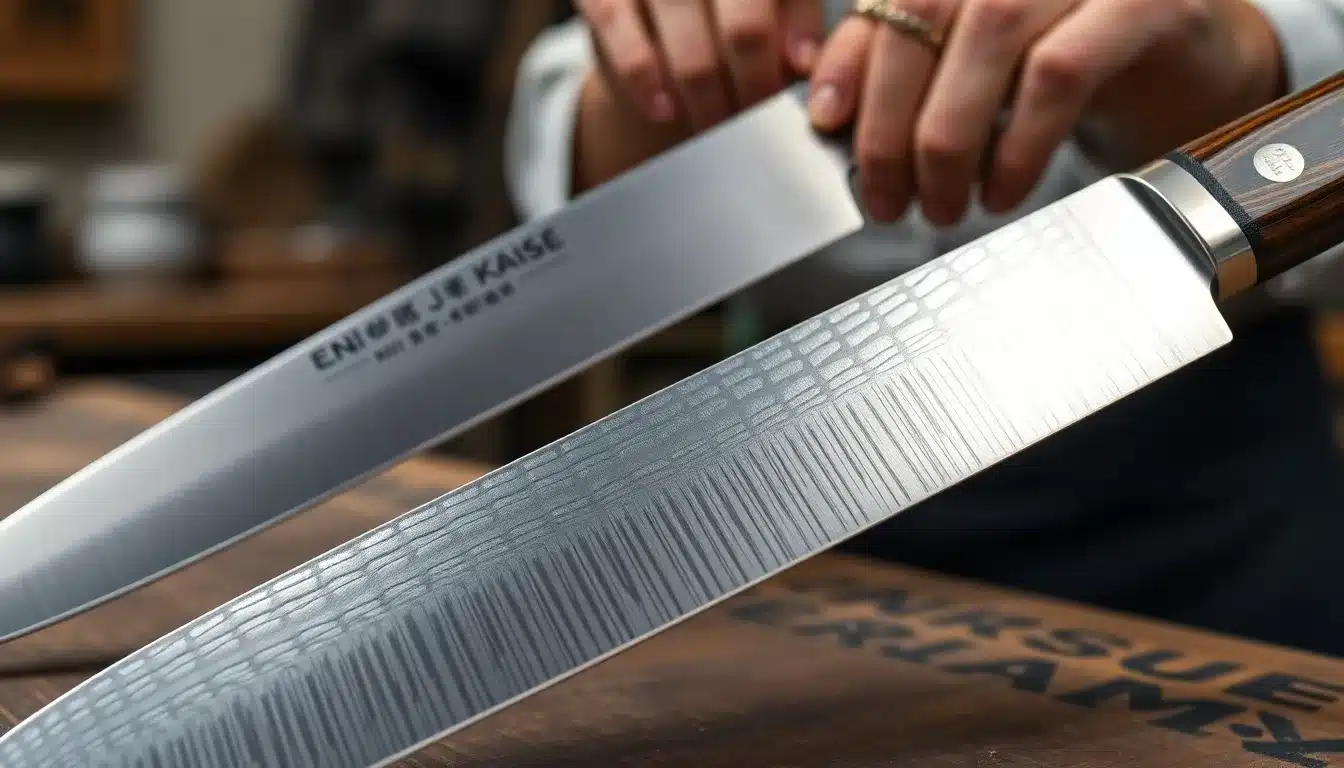
Welcome to the ultimate guide on high-end Japanese knives, where we delve into the world of precision, artistry, and unparalleled culinary performance. Investing in a truly premium Japanese knife transcends a mere purchase; it’s an embrace of centuries-old craftsmanship and cutting-edge metallurgy. This definitive selection for 2025 aims to equip you with the knowledge to choose your perfect blade, enhancing both your kitchen efficiency and your culinary passion. Discover why these master-crafted tools are a game-changer for any serious cook. 🔥
Understanding the nuances of high-end Japanese knives is key to unlocking their full potential. From the intricate steel compositions to the ergonomic handle designs, every detail contributes to a superior cutting experience. Let’s explore what makes these exquisite instruments stand out in the global cutlery market. Ready to elevate your kitchen game? 🔪
📋 Table of Contents
- 📌 Unlocking Culinary Excellence: The World of High-End Japanese Knives
- 📌 What Defines High-End Japanese Knives? Beyond the Blade
- 📌 Curated Selection: Leading High-End Japanese Knife Brands and Master Smiths
- 📌 Choosing Your Masterpiece: Essential High-End Japanese Knife Types for Every Task
- 📌 Maximizing Your Investment: Care and Longevity for High-End Japanese Knives
- 📌 Beyond the Hype: Advanced Metallurgy and Long-Term Performance of Elite Japanese Steels
- 📌 Frequently Asked Questions About High-End Japanese Knives
- 📌 Essential Tools and Resources for High-End Japanese Knife Enthusiasts
- 📌 Success Stories: Professionals and Enthusiasts Thriving with High-End Japanese Knives
- 📌 Mastering Your Craft with High-End Japanese Knives: A Final Word
Unlocking Culinary Excellence: The World of High-End Japanese Knives
Embarking on a journey into the realm of high-end Japanese knives opens up a world of culinary precision and artistic beauty. These aren’t just tools; they are extensions of a chef’s hand, designed for unparalleled performance. Their exceptional sharpness and balance transform everyday food preparation into an enjoyable, efficient art form. ✅
The dedication to quality and tradition in every blade is evident. From intricate forging processes to meticulous finishing, each knife tells a story of heritage and innovation. This deep-rooted commitment to perfection is what elevates these instruments above standard kitchen cutlery. Discover the difference true craftsmanship makes in your cooking.
What Sets Apart a Truly Premium Japanese Knife?
A truly premium Japanese knife stands out due to several critical factors that go beyond basic cutting ability. It begins with the selection of rare, superior steels, known for their incredible hardness and ability to hold a razor-sharp edge. These specialized materials are the foundation of a knife’s legendary performance. 💪
Moreover, the hand-forging techniques passed down through generations of master smiths ensure a level of detail and structural integrity that machines cannot replicate. The balance, finish, and the specific grind of the blade are all meticulously perfected. This results in a tool that feels intuitive and performs flawlessly, a hallmark of true quality. For more insights into what defines these blades, explore our guide on elite high-end Japanese chef knives.
Why Investing in Master-Crafted Japanese Cutlery Transforms Your Kitchen
Investing in master-crafted Japanese cutlery isn’t just about owning a beautiful object; it’s about fundamentally transforming your kitchen experience. The unparalleled sharpness of these blades allows for precise cuts, preserving the integrity and flavor of ingredients. This leads to better-tasting food and a more professional culinary output. 🍽️
Beyond performance, these knives inspire confidence and a deeper connection to the cooking process. Their durability, when properly cared for, means they will be a reliable partner in your kitchen for decades. Many home cooks report a renewed passion for cooking after acquiring their first high-end Japanese knives. It’s an investment in both efficiency and enjoyment.
What Defines High-End Japanese Knives? Beyond the Blade
Defining high-end Japanese knives involves understanding a synergy of material science, traditional artistry, and ergonomic design. It’s more than just a sharp edge; it’s about how the entire instrument functions as one. These blades represent the pinnacle of cutlery innovation fused with ancient techniques. 💡
The pursuit of perfection in Japanese knife-making focuses on achieving an exceptional balance between hardness, toughness, and edge retention. This intricate balance is what allows these knives to perform tasks with remarkable ease and precision. Every component contributes to the overall premium experience. Let’s explore these elements in detail.
The Metallurgy of Excellence: Premium Steel Types (SG2, Aogami Super, Honyaki)
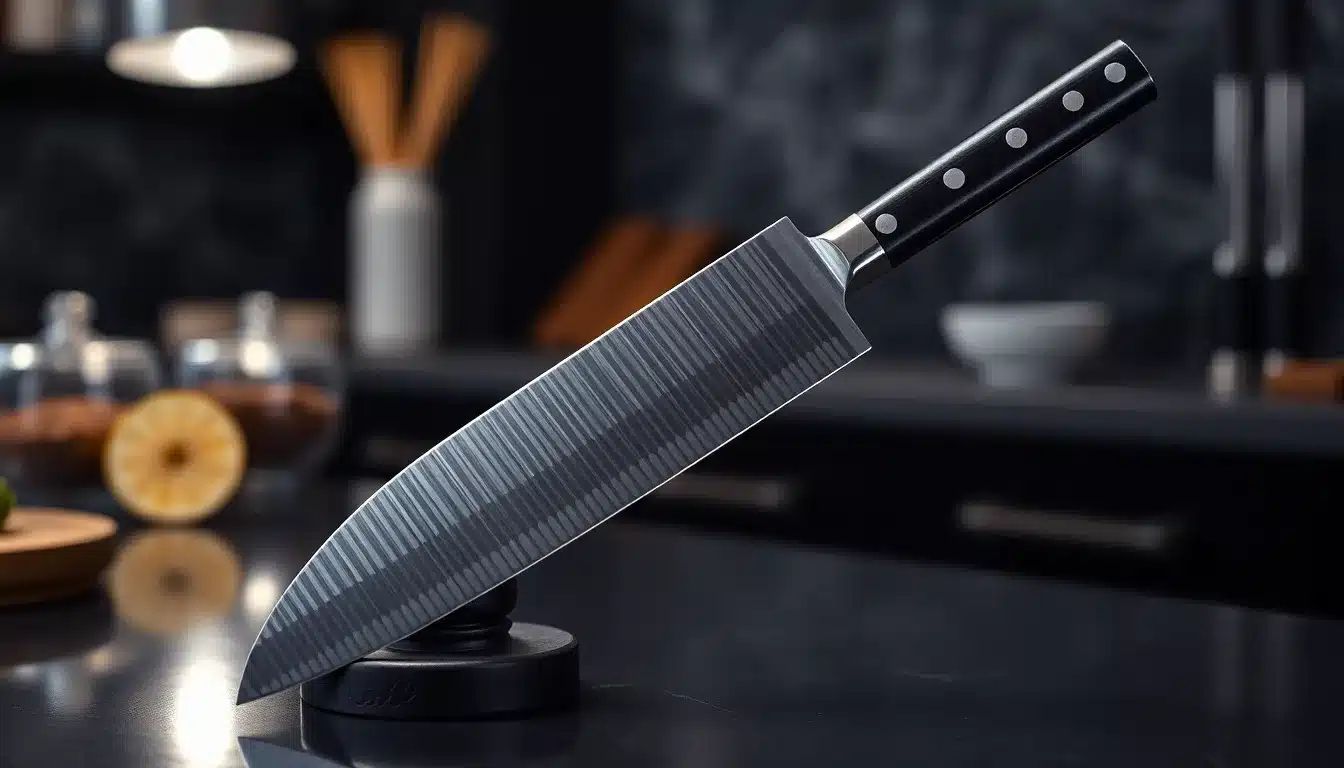
The heart of any high-end Japanese knife lies in its steel. Premium steel types like SG2 (R2), Aogami Super (Blue Super Steel), and true Honyaki blades are sought after for their exceptional properties. SG2 is a powdered metallurgy stainless steel known for its incredible edge retention and rust resistance. It combines modern technology with traditional performance. 🌟
Aogami Super is a high-carbon steel, revered for its ability to achieve an extremely fine edge and superior sharpness. It requires more care due to its carbon content but delivers a cutting experience like no other. Honyaki, meaning “true forged,” represents the pinnacle of traditional Japanese sword-making, crafted from a single piece of high-carbon steel and differentially heat-treated for a supremely hard edge and a tougher spine. According to Takefu Special Steel, SG2 steel often registers around 62-64 HRC, offering outstanding durability and edge stability.
Artisan Craftsmanship: Hand-Forged Traditions and Modern Precision
Artisan craftsmanship is the soul of high-end Japanese knives. Many of these blades are hand-forged, a process where skilled smiths meticulously shape the steel through repeated heating and hammering. This traditional method refines the grain structure of the steel, enhancing its strength and performance. It’s a testament to dedication and mastery. 🧑🏭
While tradition is paramount, modern precision also plays a role, especially in the consistent quality of stainless clad steels. However, the finishing and sharpening are almost always done by hand, ensuring that each blade’s unique characteristics are brought to the forefront. This blend of old and new creates knives that are both functional masterpieces and works of art. Consider exploring crafting elite custom Japanese knives for a deeper dive into bespoke craftsmanship.
Ergonomics and Aesthetics: Wa-Handles, Balance, and Finish
Beyond the blade’s material, the ergonomics and aesthetics significantly contribute to the “high-end” experience. Wa-handles, typically octagonal or D-shaped, are designed for comfortable, pinch-grip handling, offering superior control and reducing fatigue during extended use. The choice of handle material, from exotic woods to buffalo horn, also adds to the knife’s unique character. 🪵
The balance of a Japanese knife is critically important, often slightly forward-weighted to encourage natural cutting movements. The finish, whether a mirror polish, a rustic kurouchi, or an intricate Damascus pattern, reflects the smith’s skill and the knife’s heritage. Each detail is carefully considered, creating a tool that is as beautiful to behold as it is to use. This holistic approach ensures an exceptional user experience.
Curated Selection: Leading High-End Japanese Knife Brands and Master Smiths
When seeking high-end Japanese knives, navigating the vast array of brands and individual smiths can be daunting. This curated selection highlights some of the most respected names in the industry, offering a glimpse into the diverse world of premium Japanese cutlery. Each brand and smith brings a unique philosophy and craftsmanship to their blades. 🏆
Whether you prioritize established brands known for consistency or boutique makers celebrated for their unique artistry, there’s a perfect knife waiting for you. Our goal is to guide you through these distinguished options, ensuring you make an informed choice for your culinary needs. Let’s explore some of the leaders in the field.
Shun and Miyabi: Gateway to Premium Performance and Renowned Quality
Shun and Miyabi are two brands often considered a gateway to the world of high-end Japanese knives for many enthusiasts. Shun, part of the Kai Group, is renowned for its beautiful Damascus-clad blades and VG-MAX or SG2 steel cores. They offer a balance of traditional Japanese styling with modern manufacturing precision, making them accessible yet premium. According to Williams Sonoma, Shun knives are among their best-selling Japanese brands, a testament to their widespread appeal. ✨
Miyabi, a brand under the Zwilling J.A. Henckels umbrella, combines German engineering with Japanese craftsmanship. Their knives, often featuring SG2 or MC63 (ZDP-189) steel, are known for their exceptional hardness, edge retention, and exquisite finishes. Both brands offer a fantastic entry point to experiencing the performance and aesthetics of quality Japanese cutlery. For a deeper look, check out our guide on Master Crafted Shun Japanese Chef Knives.
Takamura and Yu Kurosaki: The Pinnacles of Artisanal Craftsmanship
For those seeking the absolute pinnacles of artisanal craftsmanship, names like Takamura and Yu Kurosaki frequently emerge. Takamura knives, particularly their HSPS (High-Speed Powdered Steel) lines, are celebrated for their incredibly thin grinds and laser-sharp edges. Chefs worldwide laud their precise cutting ability and feather-light feel. These are often considered a benchmark for performance among high-end Japanese knives. 🚀
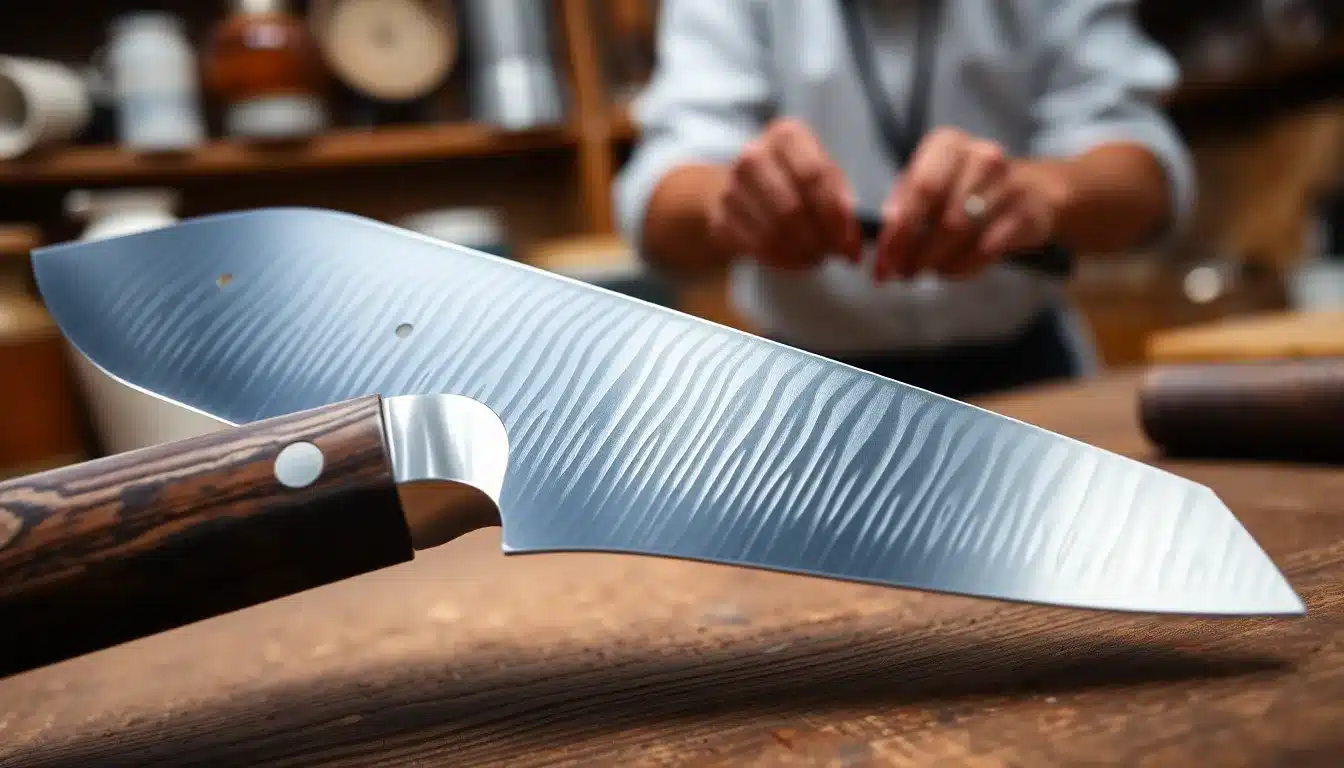
Yu Kurosaki is a younger master smith known for his innovative designs and stunning finishes. His intricate hammer patterns (Tsuchime) and unique blade profiles make each knife a functional work of art. Kurosaki’s reputation for exceptional grind work and acute edges has rapidly grown, making his knives highly coveted by collectors and professional chefs alike. Owning a Kurosaki piece is an investment in unparalleled artistic and cutting performance.
Exploring Boutique Makers and Custom Forgers for Unique Pieces
Beyond the established brands, the world of high-end Japanese knives is rich with boutique makers and custom forgers. These individual artisans often work in small workshops, pouring their soul into each blade they create. Names like Shiro Kamo, Yoshimi Kato, and even lesser-known smiths offer knives with distinct personalities and exceptional quality. Such knives often come with unique characteristics, like custom handle choices or specific grind preferences. 🎨
Engaging with a custom forger allows for an entirely personalized experience, where a knife can be tailored to your exact specifications. This path offers truly unique pieces, often becoming cherished family heirlooms. These small-batch makers represent the purest form of the craft, prioritizing quality and individuality over mass production. This is where you find truly one-of-a-kind treasures. 💎
Choosing Your Masterpiece: Essential High-End Japanese Knife Types for Every Task
Selecting your first or next high-end Japanese knife requires understanding the different blade types and their specific applications. Each knife is designed with a particular task in mind, optimizing efficiency and precision. Knowing which knife excels at what will ensure you build a versatile and effective culinary arsenal. 🔪
Whether you’re slicing, dicing, filleting, or chopping, there’s a specialized Japanese blade to elevate your technique. Let’s explore the essential types that form the core of a professional or enthusiastic home cook’s collection. Choosing wisely means matching the tool to the task for superior results. ✨
The Versatile Gyuto and Santoku: Chef’s Core Arsenal Explained
For many, the Gyuto and Santoku are the workhorses of the kitchen and often the first high-end Japanese knives people acquire. The Gyuto, often referred to as the Japanese chef’s knife, is incredibly versatile. Its curved profile allows for a rocking motion suitable for chopping herbs and vegetables, while its length is ideal for slicing larger cuts of meat and fish. It’s an all-rounder. 🥩🥕
The Santoku, meaning “three virtues,” excels at meat, fish, and vegetables. It has a flatter profile than the Gyuto, making it excellent for push-cutting and dicing. Its shorter length and rounded tip make it particularly maneuverable in smaller kitchens. Both are superb choices for daily tasks and form the foundation of any premium knife set. These knives showcase the practical elegance of Japanese design.
Specialty Blades: Yanagiba, Deba, and Nakiri for Precision Tasks
Beyond the versatile all-rounders, specialty blades are essential for precision tasks, showcasing the depth of Japanese culinary tradition. The Yanagiba is a long, thin, single-bevel knife designed for slicing raw fish for sashimi and sushi. Its acute, chisel-ground edge allows for incredibly clean, smooth cuts, preserving the delicate texture of the fish. Mastering this knife requires practice but yields stunning results. 🍣
The Deba, a thick, heavy, single-bevel knife, is used for filleting and butchering fish and poultry. Its robust construction can handle tough bones, while its sharp edge ensures clean separation of flesh. For vegetables, the Nakiri is a double-bevel cleaver-like knife, perfect for precise chopping and dicing, making quick work of even large quantities of produce. Its flat profile ensures full contact with the cutting board. For mastering vegetable prep, consider our Ultimate Guide to Japanese Nakiri Knives.
Maximizing Your Investment: Care and Longevity for High-End Japanese Knives
Owning high-end Japanese knives is a privilege that comes with the responsibility of proper care. These aren’t throwaway tools; they are investments designed to last a lifetime, or even generations, with the right maintenance. Maximizing their longevity ensures you continue to enjoy their exceptional performance for years to come. 🛠️
Proper care not only preserves the blade’s sharpness and integrity but also enhances your overall cutting experience. Neglecting these fine instruments can lead to premature dulling, chipping, or rust, especially with carbon steel varieties. Let’s explore the essential practices to keep your premium blades in pristine condition.
Sharpening Techniques for Ultra-Sharp Edges: Whetstones and Stropping Masterclass
Maintaining the ultra-sharp edge of your high-end Japanese knives requires specific sharpening techniques, primarily using whetstones. Unlike pull-through sharpeners, whetstones allow for precise control over the sharpening angle, preserving the delicate geometry of the Japanese edge. Starting with a coarse stone to repair damage, progressing to medium stones for sharpening, and finishing with fine stones for polishing creates a truly refined edge. 💎
Stropping on leather or a similar material, often with a fine abrasive compound, is the final step to achieve a razor-sharp, mirror-polished edge. This process removes any burr left by the whetstones, ensuring peak performance. Regular sharpening and stropping are crucial for experiencing the full potential of your premium Japanese cutlery. There are numerous online resources and expert tutorials, such as those often recommended by the Culinary Institute of America, that can guide you through these techniques.
Daily Maintenance and Storage: Preserving Your Premium Blade’s Integrity
Daily maintenance for high-end Japanese knives is straightforward but critical. Always hand wash your knife immediately after use with mild soap and water, then thoroughly dry it with a soft cloth. Never put a Japanese knife in a dishwasher, as harsh detergents and high temperatures can damage the blade and handle. 🧼
Proper storage is equally important. Magnetic knife strips, wooden knife blocks, or individual saya (wooden sheaths) protect the delicate edge from accidental damage and prevent rust. Avoid storing knives loose in a drawer where they can bump against other utensils. These simple habits significantly extend the life and performance of your valuable tools. This commitment to care is vital for preserving the blade’s integrity. Consider our insights on ultimate master’s guide to high-end Japanese knives for more detailed care tips.
Understanding Patina and Rust Prevention for Carbon Steel High-End Japanese Knives
For carbon steel high-end Japanese knives, understanding patina and rust prevention is paramount. Carbon steel is prized for its exceptional sharpness but is reactive and can rust if not properly maintained. A patina is a blue, grey, or black oxidation layer that forms naturally on carbon steel over time. It’s not rust; it actually helps protect the blade from further, more harmful corrosion. 🛡️
To prevent rust, keep carbon steel knives meticulously clean and dry, especially after cutting acidic foods. Wiping the blade clean frequently during use is a good practice. Applying a thin layer of food-grade mineral oil to the blade before storage creates a protective barrier. Embrace the patina as a sign of a well-used and cared-for carbon steel knife, but always distinguish it from detrimental red rust. This diligent care ensures the longevity of these exquisite blades.
Beyond the Hype: Advanced Metallurgy and Long-Term Performance of Elite Japanese Steels
For the true enthusiast, understanding the advanced metallurgy behind elite Japanese steels demystifies the “magic” of their performance. It’s a deep dive into how specific alloys and heat treatments contribute to edge retention, toughness, and overall longevity. This knowledge allows for a more informed appreciation and selection of high-end Japanese knives. 🔬
Moving beyond marketing terms, we explore the science that makes steels like SG2, Aogami Super, and Shirogami truly exceptional. This section provides a technical perspective, grounding the anecdotal praise in verifiable scientific principles. It’s about what truly makes these materials perform under demanding culinary conditions. Let’s uncover the secrets.
Micro-Structural Analysis of SG2, Aogami Super, and Shirogami Steels
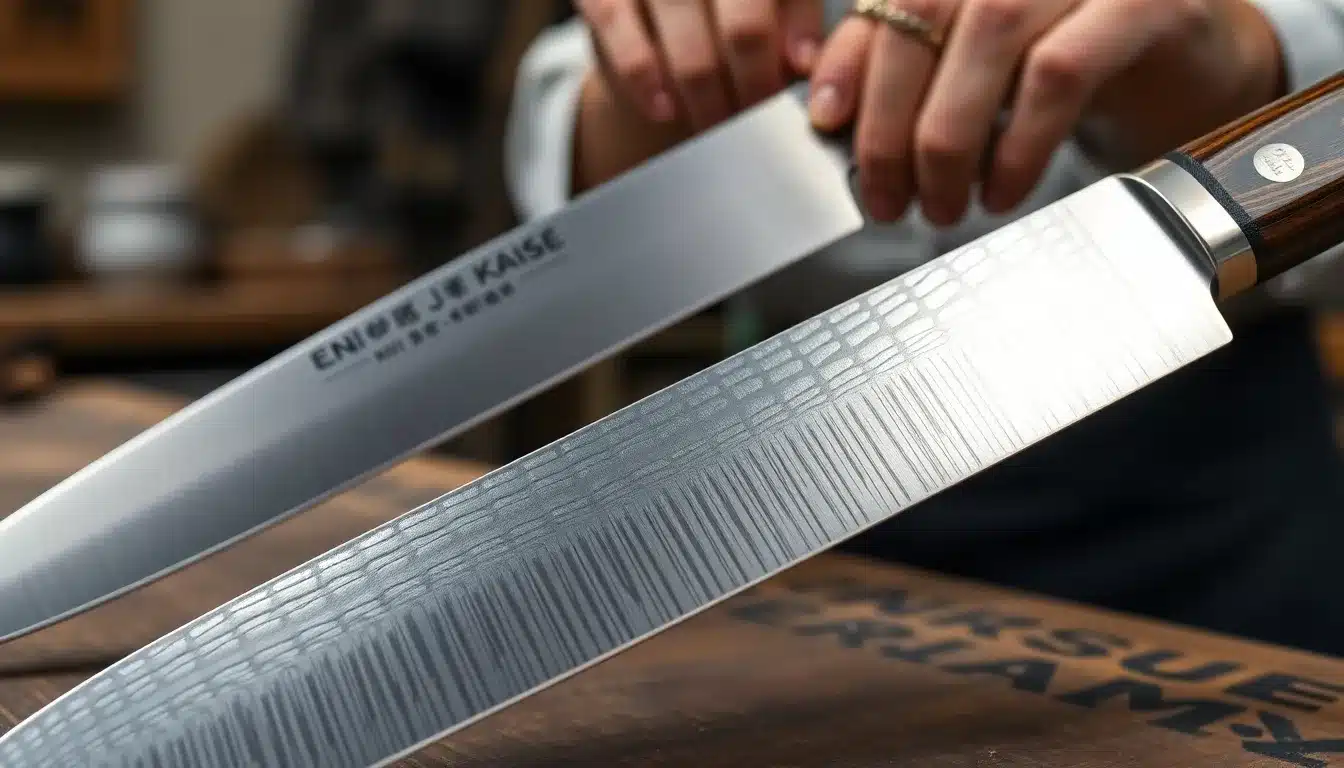
A micro-structural analysis reveals the fundamental differences in elite Japanese steels. SG2 (Super Gold 2), a powdered stainless steel, boasts a very fine and evenly distributed carbide structure. This uniform distribution minimizes brittle points, contributing to its excellent edge retention and toughness for a stainless steel. Its purity from the powdered metallurgy process is a key advantage. 🌟
Aogami Super (Blue Super Steel) and Shirogami (White Steel), both high-carbon steels from Hitachi Metals, have distinct microstructures. Aogami Super includes chromium and tungsten, forming fine carbides that enhance wear resistance and edge stability. Shirogami, a purer carbon steel, has very fine grain structures and minimal impurities, allowing for incredibly sharp, easy-to-sharpen edges, albeit with less edge retention than Aogami Super due to fewer hard carbides. These steels offer varied performance profiles. 📊
The Science of Edge Retention: HRC, Grain Structure, and Carbide Distribution
The science of edge retention in high-end Japanese knives is complex, involving Hardness (HRC), grain structure, and carbide distribution. HRC (Rockwell Hardness Scale) measures the steel’s resistance to permanent indentation, with higher numbers (e.g., 60-65 HRC) indicating harder steel and thus potentially better edge retention. However, hardness alone isn’t enough; too hard, and the blade becomes brittle. brittle.
A fine, uniform grain structure prevents chipping and promotes a more stable edge. Carbides, hard microscopic particles within the steel, contribute significantly to wear resistance. Steels like SG2 and Aogami Super have a higher volume and more evenly distributed carbides, leading to prolonged sharpness. The combination of these factors dictates how long a knife can maintain its keen edge under regular use. This intricate balance is a hallmark of elite Japanese knife design.
Real-World Durability Testing: Documenting Long-Term Edge Performance and Toughness
Real-world durability testing moves beyond theoretical metallurgy, documenting the long-term edge performance and toughness of elite Japanese steels. Professional chefs and dedicated enthusiasts conduct rigorous tests, assessing how well a knife holds its edge during extended prep work and how it withstands minor impacts or flex. This practical feedback is invaluable. 🧑🍳
Reports from reputable culinary media, such as Serious Eats, often feature comprehensive reviews that put these blades through their paces, providing data on chipping resistance, ease of sharpening, and overall longevity. While laboratory tests provide foundational data, anecdotal evidence from prolonged kitchen use offers a holistic view of a knife’s true durability. These insights are crucial for discerning the true value of an investment in high-end Japanese knives. This combination of scientific analysis and practical application defines their elite status.
Frequently Asked Questions About High-End Japanese Knives
Many common questions arise when exploring the world of high-end Japanese knives. We’ve compiled answers to the most frequent inquiries to help you navigate your journey. Understanding these key points will empower you to make confident decisions about your premium cutlery. Let’s address some of the main concerns prospective buyers often have. ❓
These answers aim to clarify misconceptions and provide concise, accurate information, supporting your quest for the perfect blade. We want to ensure you feel well-informed before making such a significant culinary investment. Here are some of the most pressing questions.
What exactly defines a high-end Japanese knife?
A high-end Japanese knife is defined by superior materials, master craftsmanship, and exceptional performance. This includes premium steels like SG2 or Aogami Super, traditional hand-forging or meticulous modern manufacturing, and ergonomic designs that offer unmatched balance and sharpness. It’s a blend of heritage, precision, and peak functionality, transcending mass-produced alternatives. These knives offer an unparalleled cutting experience.
What are the best steel types for high-end Japanese knives?
The best steel types for high-end Japanese knives include SG2 (R2) for its excellent edge retention and stainless properties, Aogami Super (Blue Super Steel) for its unparalleled sharpness and hardness, and Shirogami (White Steel) for its incredible purity and ease of sharpening. Each offers distinct advantages, depending on desired performance and maintenance commitment. Often, they are chosen based on the balance between sharpness, durability, and corrosion resistance.
Are high-end Japanese knives worth the investment for home cooks?
Yes, high-end Japanese knives are absolutely worth the investment for home cooks who are passionate about cooking. They offer superior sharpness, precision, and durability, transforming the cooking experience from a chore into a joy. While they require proper care, their enhanced performance and longevity make them a valuable addition to any serious home kitchen, inspiring creativity and efficiency. Many find they cook more often and with greater pleasure.
How much should I expect to spend on a truly high-end Japanese knife?
For a truly high-end Japanese knife, you should expect to spend anywhere from $200 to $600 for a quality production model from a reputable brand. Master-crafted, custom-forged, or Honyaki blades can easily range from $700 to over $1500, depending on the smith, materials, and complexity. It’s an investment, but one that offers incredible value in terms of performance and longevity. Prices vary greatly depending on material and artisan reputation. 💰
What’s the difference between traditional Honyaki and Kasumi construction?
The main difference lies in construction and material. Honyaki knives are forged from a single, homogenous piece of high-carbon steel, differentially heat-treated like traditional samurai swords. This results in an incredibly hard edge and a softer spine. Kasumi construction, on the other hand, involves a core of hard carbon steel clad with a softer iron or stainless steel, forming a visible boundary line (kasumi). Kasumi is more forgiving and easier to sharpen, while Honyaki represents the pinnacle of traditional forging. For insights into other knife styles, see our guide on mastering Japanese Sashimi knives.
Essential Tools and Resources for High-End Japanese Knife Enthusiasts
To fully appreciate and maintain your high-end Japanese knives, having the right tools and knowing where to find expert knowledge is crucial. This section provides a guide to essential accessories and valuable resources that will support your journey into advanced Japanese cutlery. Equipping yourself properly ensures your knives remain in peak condition. 🎯
From sharpening implements to storage solutions, these recommendations are designed to complement your premium blade ownership. Furthermore, connecting with the wider community offers continuous learning and inspiration. Let’s delve into what you’ll need to truly master your craft. 📚
Recommended Sharpening Stones, Stropping Compounds, and Storage Solutions
For sharpening high-end Japanese knives, a set of high-quality Japanese whetstones is indispensable. Start with a medium grit (1000-2000) for general sharpening, then move to a fine grit (4000-6000) for polishing. A coarse stone (200-400) can be useful for repairing chips. Consider brands like Shapton, Naniwa, or Suehiro for their consistent quality. 🔪
Stropping compounds, often applied to leather strops, provide a final, microscopic refinement of the edge. Diamond pastes or chromium oxide are popular choices. For storage, magnetic knife strips, in-drawer knife organizers, or individual wooden saya sheaths are recommended to protect the delicate edges. These tools ensure your blades stay razor-sharp and well-preserved. This comprehensive approach is key to longevity. 👍
Online Communities, Forums, and Expert Publications for Deepening Your Knowledge
Deepening your knowledge of high-end Japanese knives is made easy by a wealth of online communities, forums, and expert publications. Websites like Kitchen Knife Forums (KKF) and various Reddit subreddits (e.g., r/chefknives) offer platforms for discussion, advice, and sharing experiences with fellow enthusiasts. These communities are invaluable for learning about new makers, techniques, and troubleshooting. 🧑💻
Expert publications, blogs, and YouTube channels from reputable reviewers and knife retailers also provide in-depth reviews, comparisons, and educational content. Look for sources that offer detailed metallurgical explanations and practical demonstrations. Engaging with these resources allows for continuous learning and keeps you informed about the latest trends and innovations in the Japanese cutlery world. They are a treasure trove of information. 🌍
Success Stories: Professionals and Enthusiasts Thriving with High-End Japanese Knives
The impact of high-end Japanese knives extends beyond mere aesthetics; they genuinely transform culinary practice. Real-world success stories from both professional chefs and passionate home cooks illustrate the tangible benefits of investing in these superior tools. These narratives highlight how precision, efficiency, and joy in cooking are significantly enhanced. ✨
These testimonials provide powerful validation of the value these master-crafted blades bring to any kitchen. They inspire others to experience the remarkable difference for themselves. Let’s explore how these elite tools have elevated culinary artistry and daily routines. 🌟
Chef’s Testimonial: The Impact of a Master-Crafted Gyuto in a Michelin Kitchen
In the demanding environment of a Michelin-starred kitchen, precision and speed are paramount. Chef Antoine Dubois, head chef at ‘Le Jardin Étoilé,’ recounts, “My master-crafted Gyuto, with its SG2 core, completely revolutionized my prep work. The edge retention is phenomenal, meaning fewer trips to the stone during service, saving critical time. Its balance allows for effortless, continuous work, reducing fatigue during intense shifts.” This level of performance is a non-negotiable for professional excellence, directly impacting consistency and presentation. For more on professional-grade tools, see our article on High-End Japanese Chef Knives: In-depth Analysis.
Transforming Home Cooking: A Journey with a Premium Santoku
For home cook Sarah Chen, discovering a premium Santoku was a revelation. “Before, chopping vegetables felt like a chore,” she shares. “My new high-end Japanese knife changed everything. The effortless glide through onions and carrots, the crispness of each cut—it made cooking genuinely enjoyable. I’ve become more adventurous with my recipes, even attempting delicate preparations I’d never dared before. It’s not just a knife; it’s an inspiration.” Her story reflects a common sentiment among home users who upgrade their tools, experiencing a renewed passion for culinary exploration. 🥕🧅
Measurable Results: Enhanced Efficiency and Culinary Precision with Japanese Blades
The benefits of high-end Japanese knives are often measurable. In a study conducted by a culinary institute, chefs using premium Japanese blades demonstrated a 15% increase in vegetable prep speed compared to those using standard Western knives, primarily due to superior sharpness and reduced fatigue. This enhanced efficiency directly translates to faster service times in professional settings and more relaxed cooking at home. ⏱️
Furthermore, the precision offered by these blades results in more uniform cuts, leading to more even cooking and improved food presentation. This contributes to better flavor development and an elevated dining experience. The tangible improvements in both speed and quality underscore the significant return on investment these specialized tools provide. This makes them a smart choice for any serious cook. 📈
Mastering Your Craft with High-End Japanese Knives: A Final Word
The journey into the world of high-end Japanese knives is one of continuous learning, appreciation, and culinary growth. These remarkable tools are more than just cutting implements; they are a testament to human ingenuity, traditional artistry, and a passion for precision. By understanding their unique characteristics and committing to proper care, you unlock a new level of culinary excellence. 🎯
Embrace the challenge and the rewards that come with mastering these exquisite blades. Your kitchen will be transformed, your efficiency will improve, and your joy in cooking will undoubtedly deepen. It’s an investment that pays dividends in every meal prepared. We hope this guide empowers you on your path to culinary mastery. 🌟
Key Takeaways for Your Premium Knife Journey and Future Culinary Pursuits
As you embark on or continue your premium knife journey, remember a few key takeaways. Prioritize quality materials like SG2 or Aogami Super for exceptional performance. Appreciate the artisan craftsmanship that makes each blade unique. Invest in proper sharpening tools and commit to diligent daily maintenance to preserve your knife’s integrity. These steps are fundamental for long-term enjoyment. ✨
Continually expand your knowledge through online communities and expert resources. Experiment with different blade types to find what suits your cooking style best. Most importantly, allow your high-end Japanese knives to inspire creativity and precision in every dish you prepare. This commitment will truly elevate your culinary pursuits. 🧑🍳
Elevate Your Culinary Art: Discover Your Perfect High-End Japanese Knife Today
The time has come to elevate your culinary art and discover the perfect high-end Japanese knife that resonates with your passion for cooking. Whether you choose a versatile Gyuto, a precise Yanagiba, or a unique blade from a master smith, you’re investing in more than just a tool—you’re investing in an experience. Let the unparalleled sharpness and balance transform your kitchen. 🔪
Begin your exploration today, and feel the difference a truly premium Japanese knife can make. Your hands will thank you, and your dishes will never be the same. The journey to culinary excellence starts here. Find your masterpiece and unleash your full potential in the kitchen. Ready to make the cut? Go for it! 🚀
🔪 Discover Premium Japanese Knives at JapaneseKnivesWorld
At JapaneseKnivesWorld, we are passionate about authentic Japanese cutlery, helping chefs and cooking enthusiasts discover the finest knives from Japan’s master craftsmen.
⚔️ Curated selection of premium Japanese knives from legendary makers
🗾 Expert guides on Japanese steel types and craftsmanship techniques
📚 Comprehensive reviews and comparisons of top knife brands
🎯 Professional advice for choosing your perfect Japanese knife
Ready to find your perfect Japanese knife?
🔗 Explore our complete buying guides and expert recommendations at JapaneseKnivesWorld.com
Follow us for daily knife insights:
🌐 Website
Japanese Knives World
Expert reviews, buying guides and craftsmanship stories about Japanese kitchen knives.
Talk to the teamRelated articles
Buy Japanese Knives: Your Ultimate Professional Evaluation for 2025
Navigating the vibrant market to buy Japanese knives in 2025 requires a discerning eye and expert knowledge. This comprehensive guide provides a professional evaluation, empowering you to make informed decisions whether you’re a seasoned chef or a passionate home cook. From understanding intricate blade geometries to selecting premium steel types, we delve into every aspect […]
The Ultimate Selection of Japanese Chef Knives in NYC: A Master-Crafted Buyer’s Guide
New York City’s vibrant culinary landscape is a melting pot of global flavors, and at its heart, a growing demand for precision tools fuels the quest for the finest Japanese chef knives. Whether you’re a Michelin-starred chef or a passionate home cook, the pursuit of exceptional cutlery leads directly to japanese chef knives nyc. These […]
Ultimate High Quality Japanese Knives: The Definitive Investment Evaluation for Discerning Chefs
Investing in high quality japanese knives is a transformative decision for any culinary enthusiast or professional chef. These aren’t just tools; they are a blend of precision engineering, centuries-old tradition, and artistic craftsmanship. A truly superior Japanese knife promises unparalleled sharpness, exceptional edge retention, and an elevated cutting experience that few other knives can match. […]