
Master-crafted Japanese Made Knives: The Ultimate Guide to Precision and Heritage
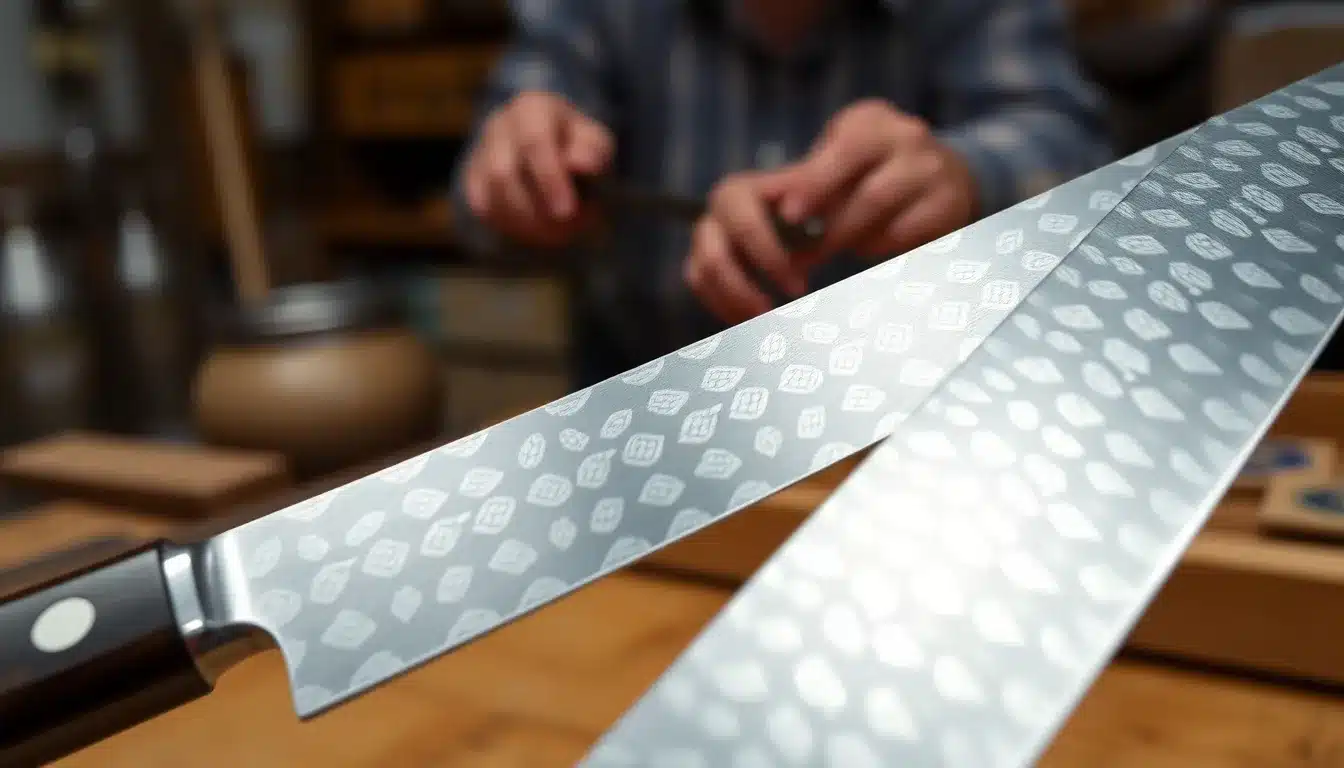
Welcome to the definitive guide on japanese made knives, where tradition meets unparalleled precision. These exceptional culinary tools are renowned globally for their incredible sharpness, superior edge retention, and exquisite balance.
Investing in authentic japanese made knives is more than just acquiring a kitchen tool; it’s embracing a legacy of master craftsmanship. Whether you’re a home cook or a professional chef, understanding these blades will undoubtedly elevate your culinary journey and efficiency in the kitchen.
📋 Table of Contents
- 📌 Discovering the World of Japanese Made Knives: An Introduction
- 📌 The Unmatched Craftsmanship Behind Authentic Japanese Made Knives
- 📌 Exploring the Diverse Types of Japanese Kitchen Knives
- 📌 The Science of Steel: Materials in Japanese Made Knives
- 📌 Top Japanese Made Knives: Brands, Styles, and Selection Guide
- 📌 Caring for Your Japanese Made Knives: Maintenance and Sharpening
- 📌 The Deep Dive: Regional Traditions and Advanced Metallurgy of Japanese Made Knives
- 📌 Frequently Asked Questions About Japanese Made Knives
- 📌 Professional Tools and Essential Resources for Japanese Made Knives Enthusiasts
- 📌 Real-World Impact: Professional Chefs and Enthusiasts Embracing Japanese Made Knives
- 📌 Elevating Your Culinary Journey with Japanese Made Knives
Discovering the World of Japanese Made Knives: An Introduction
Japanese cutlery has carved out a unique and esteemed position in the global culinary landscape. It stands distinct from Western knives due to a profound heritage rooted in samurai sword-making traditions.
This history imbues each blade with a blend of artistry and engineering that is simply unparalleled. Chefs worldwide seek out these tools for their precision, durability, and the sheer joy they bring to food preparation. ✅
What Sets Japanese Cutlery Apart in the Culinary World?
Japanese cutlery distinguishes itself through several key characteristics. Paramount among these is the extraordinary sharpness achieved through harder steels and finer edge angles.
Furthermore, the meticulous hand-finishing and the focus on specific blade geometries for different tasks ensure optimal performance. It’s a dedication to perfection that truly makes these tools stand out. For a deeper understanding of genuine craftsmanship, consider reading our article on authentic Japanese knives made in Japan.
Why Investing in Authentic Japanese Blades Elevates Your Kitchen
An investment in authentic Japanese blades pays dividends in performance, efficiency, and culinary pleasure. Their superior cutting ability reduces preparation time and effort, making delicate tasks like slicing fish or dicing vegetables incredibly smooth.
Moreover, the aesthetic beauty and ergonomic design enhance the overall cooking experience. Many professional chefs report significantly less hand fatigue when using properly balanced Japanese knives, highlighting their practical benefits beyond just sharpness. 💡
The Unmatched Craftsmanship Behind Authentic Japanese Made Knives
The journey of a japanese made knife begins with centuries of tradition and a deep respect for materials. This craftsmanship is not merely about shaping metal; it’s about imbuing each blade with spirit and precision.
Every step, from forging to sharpening, is executed with meticulous attention to detail. This results in tools that are not only highly functional but also works of art, revered by culinary professionals globally. 🔥
The Legacy of Japanese Sword Making in Modern Cutlery
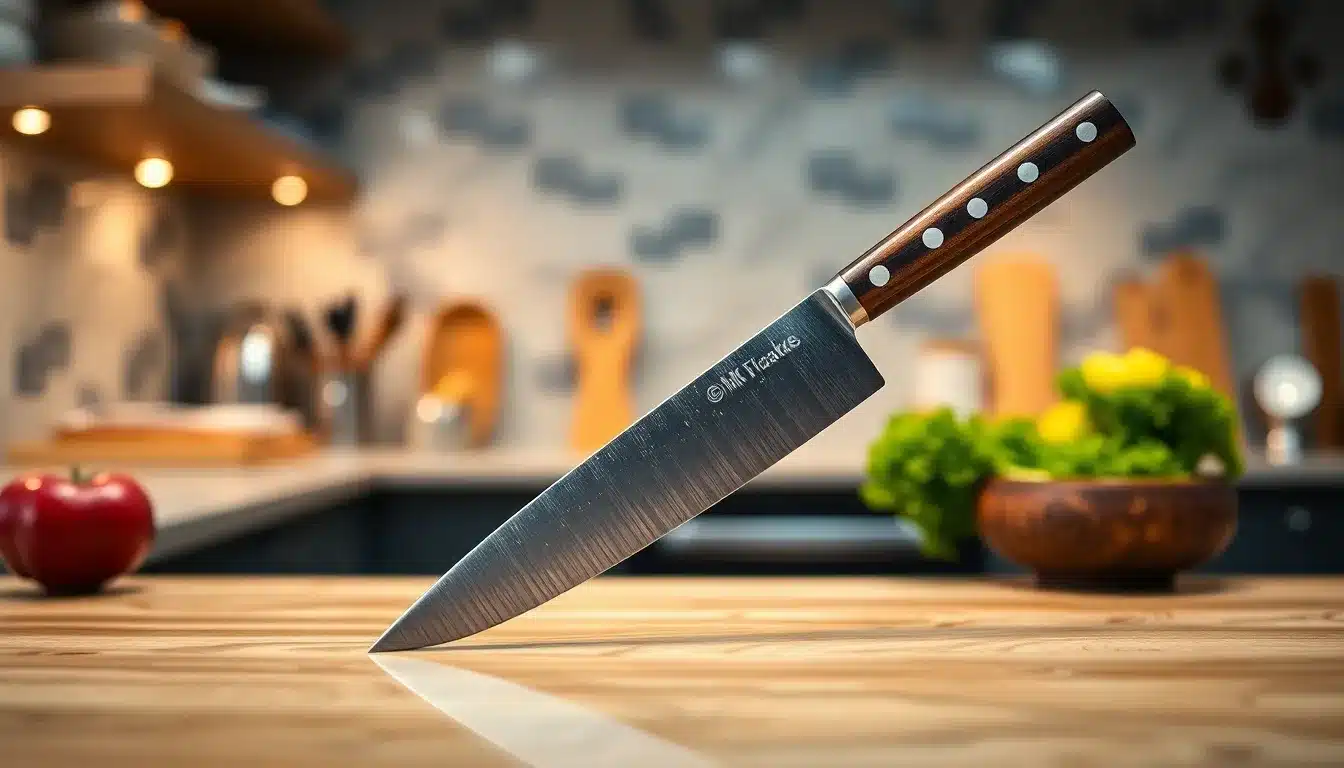
The art of crafting japanese made knives is directly descended from the legendary techniques used to forge samurai swords. This heritage is evident in the emphasis on differential hardening, superior edge geometry, and the pursuit of ultimate sharpness.
Sword-making traditions like the lamination of different steels (San Mai or Damascus) are still employed today, creating blades that are both incredibly hard at the edge and resilient in the spine. This fusion of historical wisdom and modern innovation is a cornerstone of their quality.
Key Characteristics: Sharpness, Edge Retention, and Balance
The hallmark of a high-quality japanese made knife lies in its exceptional sharpness, achieved through harder steels and acute blade angles. This sharpness is complemented by outstanding edge retention, meaning the blade stays keen for longer periods between sharpening sessions.
Equally crucial is the knife’s balance, which ensures comfort and control during use. A well-balanced knife feels like an extension of the hand, minimizing fatigue and maximizing precision. 🎯
Understanding Blade Geometry: Single Bevel vs. Double Bevel
Blade geometry significantly impacts a knife’s performance. Japanese knives often feature either a single bevel (Kataba) or a double bevel (Ryoba) edge.
Single bevel blades, common in traditional knives like Yanagiba or Deba, are sharpened on one side only, creating an incredibly acute edge ideal for precision tasks such as slicing sashimi. Double bevel blades, like Gyuto and Santoku, are sharpened on both sides, making them versatile for general-purpose cutting. Understanding this difference is key to selecting the right tool for the job.
Exploring the Diverse Types of Japanese Kitchen Knives
The world of japanese made knives offers a specialized blade for virtually every culinary task. This diversity reflects a deep respect for ingredients and the desire for optimal preparation.
From all-purpose chefs’ knives to highly specialized fish filleting tools, each knife is designed with a specific function in mind. Understanding these types is the first step towards building a truly efficient and versatile kitchen arsenal. For a deeper analysis of premium blades, explore our in-depth analysis of high-end Japanese chef knives.
Versatile Everyday Essentials: Santoku, Gyuto, and Petty Knives
For everyday cooking, the Santoku and Gyuto are indispensable. A Santoku, meaning “three virtues” (meat, fish, vegetables), is a general-purpose knife with a flatter profile than a Western chef’s knife, ideal for chopping and dicing.
The Gyuto is the Japanese equivalent of a Western chef’s knife, featuring a curved blade perfect for rock-chopping and slicing. Petty knives are smaller utility knives, excellent for delicate tasks, peeling, and small prep work. These three form the cornerstone of any versatile kitchen.
Specialized Blades for Precision: Nakiri, Deba, and Yanagiba
When precision and specific tasks are paramount, specialized Japanese blades shine. The Nakiri is a vegetable knife with a straight blade, perfect for chopping and slicing vegetables with full blade contact on the cutting board. Check out our ultimate guide to Japanese Nakiri knives for more details.
Deba knives are robust, thick-spined knives designed for breaking down fish, including cutting through bones. Yanagiba knives, with their long, slender, single-bevel blades, are the ultimate tool for slicing sashimi and preparing raw fish with unparalleled precision. Mastering these tools truly unlocks advanced culinary capabilities. For advanced fish preparation, you might also be interested in mastering fish preparation using Japanese fillet knives.
Hybrid Designs and Modern Interpretations
The Japanese knife industry is also innovative, constantly evolving with hybrid designs that blend traditional Japanese craftsmanship with Western ergonomic preferences. Many manufacturers now offer knives that combine the hardness and sharpness of Japanese steel with the familiar handle designs and balance of European knives.
These modern interpretations aim to provide the best of both worlds, catering to a wider audience while maintaining the core performance characteristics that make japanese made knives so celebrated. This evolution ensures their continued relevance in diverse culinary environments. 🌟
The Science of Steel: Materials in Japanese Made Knives
The soul of any japanese made knife lies within its steel. Japanese metallurgists have perfected the art of creating steels that offer an incredible balance of hardness, edge retention, and toughness.
This scientific approach to material selection and treatment is fundamental to the legendary performance of these blades. Understanding the different types of steel will help you appreciate the nuances and choose a knife that perfectly suits your needs and maintenance preferences. 🔬
High-Carbon Steels: White Steel (Shirogami) and Blue Steel (Aogami) Explained
Traditional Japanese knives are often made from high-carbon steels, primarily White Steel (Shirogami) and Blue Steel (Aogami), produced by Hitachi Metals. Shirogami is very pure, allowing for an incredibly sharp edge but requiring diligent maintenance due to its susceptibility to rust.
Aogami, a Shirogami derivative with added chromium and tungsten, offers improved toughness and better edge retention, albeit slightly less ultimate sharpness than Shirogami. Both develop a beautiful patina over time, a mark of their traditional character. According to steel expert Takefu Special Steel, these high-carbon varieties remain benchmark materials for premium edge performance due to their fine grain structure.
Stainless Steel Innovations: VG-10, SG2, and AUS-8
For those seeking greater corrosion resistance without sacrificing too much performance, modern stainless steels are excellent alternatives. VG-10 is a popular stainless steel known for its hardness and good edge retention, often used in professional-grade Japanese knives.
SG2 (or R2) is a powder metallurgy stainless steel offering exceptional hardness, wear resistance, and edge retention, making it a top choice for high-end blades. AUS-8 is a more affordable stainless steel, providing a good balance of sharpness, toughness, and stain resistance, making it suitable for entry-level japanese made knives.
Damascus Patterns and Laminated (San-Mai) Construction
Beyond the core steel, the construction method significantly impacts performance and aesthetics. Damascus steel, characterized by its beautiful wavy patterns, is created by laminating multiple layers of different steels.
This process not only makes the blade visually stunning but also enhances its flexibility and durability. San-Mai construction involves sandwiching a hard core steel (the actual cutting edge) between two layers of softer, more flexible steel. This protects the brittle, hard core from chipping while providing overall blade resilience. This technique is a direct descendant of ancient sword-making practices. ⚔️
Top Japanese Made Knives: Brands, Styles, and Selection Guide
Navigating the market for japanese made knives can be daunting given the array of choices. However, focusing on renowned brands and understanding key selection factors will guide you toward the perfect blade.
This section will unpack some of the most respected names in the industry and provide a clear framework for making an informed purchase. Choosing the right knife is a personal journey that blends practical needs with aesthetic preferences. 🛍️
Renowned Brands: Shun, Miyabi, Global, and Tojiro Unpacked
Several brands stand out for their consistent quality and innovation in the Japanese knife market. Shun, a brand by KAI Group, is celebrated for its exquisite Damascus patterns and professional-grade performance, often favored by Western chefs. According to their website, Shun Cutlery emphasizes the traditional Japanese craftsmanship fused with modern design. Miyabi, part of Zwilling J.A. Henckels, combines Japanese blade artistry with German engineering, producing incredibly sharp and beautiful knives.
Global knives are distinct for their unique all-stainless-steel construction and dimpled handles, offering excellent balance and a modern aesthetic. Tojiro is highly respected for offering exceptional performance and value, making high-quality Japanese knives accessible to a wider audience. For a brand-specific deep dive, check out our guide on Master Crafted Shun Japanese Chef Knives.
Factors to Consider When Choosing Your First or Next Japanese Knife
Choosing the right japanese made knife involves several considerations. Here’s a quick checklist to guide your decision:
- Purpose: What tasks will you primarily use the knife for (e.g., vegetables, fish, general prep)?
- Steel Type: Do you prefer high-carbon (superior sharpness, patina, high maintenance) or stainless (corrosion resistant, easier care)?
- Handle Material & Shape: Consider D-shaped (traditional Japanese, right-hand bias), octagonal, or Western-style handles for comfort.
- Budget: Quality Japanese knives range widely in price; set a realistic budget.
- Maintenance Commitment: Are you willing to learn whetstone sharpening and diligent cleaning?
These factors will help narrow down your options and ensure you select a knife that aligns with your culinary habits. For comprehensive advice on purchasing, explore The Ultimate Japanese Knives Sale Guide.
Identifying Quality and Authenticity in the Market
Identifying a quality and authentic japanese made knife requires attention to detail. Look for reputable retailers and brands with transparent information about their manufacturing processes and materials. Authentic knives often feature specific markings, such as the kanji (Japanese characters) of the maker or brand, indicating their origin.
Beware of unusually low prices for “Japanese” knives, as these often indicate inferior materials or mass-produced blades lacking the true craftsmanship. Researching reviews from trusted culinary sources like Serious Eats can also provide valuable insights into a knife’s performance and authenticity. Always prioritize transparency and reputation over mere appearance. ✅
Caring for Your Japanese Made Knives: Maintenance and Sharpening
Owning japanese made knives is a commitment to proper care. Their harder, thinner blades demand specific maintenance routines to preserve their incredible performance and longevity.
Neglecting these practices can quickly lead to rust, chipping, or a dull edge, diminishing your investment. Mastering maintenance and sharpening techniques is essential for any enthusiast, ensuring your blades remain razor-sharp and beautiful for years to come. 🧼
Essential Cleaning and Storage Practices for Longevity
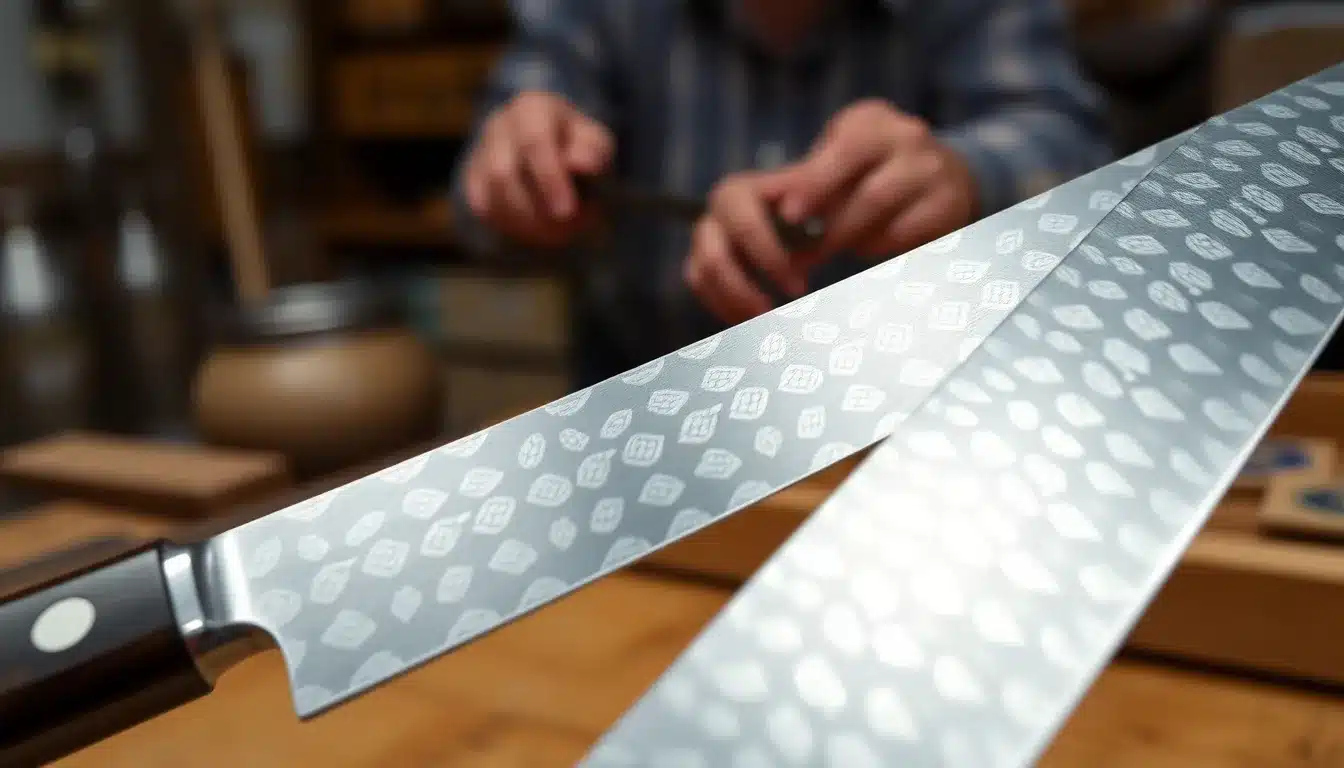
Proper cleaning is paramount for japanese made knives. Always hand wash your knife immediately after use with warm water and mild soap, then thoroughly dry it with a soft cloth. Never put a Japanese knife in a dishwasher, as harsh detergents and high heat can cause damage and rust.
For storage, use a knife block, magnetic strip, or Saya (a wooden sheath) to protect the delicate edge from nicks and prevent accidental injury. For high-carbon steel, applying a thin layer of food-grade mineral oil before storage is crucial to prevent rust, especially in humid environments.
Mastering the Art of Whetstone Sharpening for Japanese Blades
Whetstone sharpening is the preferred method for maintaining the acute edges of japanese made knives. Unlike honing rods, whetstones remove a tiny amount of steel to re-establish a true edge, rather than just realigning it.
Start with a coarse grit stone (around #400-#1000) for dull edges, move to a medium grit (#2000-#3000) for refining, and finish with a fine grit (#5000-#8000+) for a razor-sharp polish. Maintaining a consistent angle, often 10-15 degrees per side, is the key to success. Practice and patience will yield incredibly sharp results. 🔪
Troubleshooting Common Issues: Rust, Chipping, and Edge Damage
Even with careful use, issues can arise. Rust on high-carbon blades typically appears as orange or red spots. It can often be removed with a rust eraser or a paste of baking soda and water. To prevent rust, ensure blades are always dry.
Chipping, usually seen on harder, thinner blades, often results from cutting frozen foods, bones, or twisting the blade. Minor chips can sometimes be sharpened out, but severe damage may require professional repair. Edge damage from accidental drops or impacts typically requires careful re-profiling on coarser whetstones. Prompt action can often prevent minor issues from becoming major problems.
The Deep Dive: Regional Traditions and Advanced Metallurgy of Japanese Made Knives
The world of japanese made knives is rich with regional distinctions and advanced metallurgical practices. These nuances reflect centuries of localized expertise and innovation, giving each knife a unique character.
Exploring these deeper aspects not only enhances appreciation for the craft but also provides insight into the subtle differences in performance and aesthetic. It’s a journey into the heart of Japan’s enduring legacy of blade making. 🗺️
Geographical Significance: Sakai, Seki, and Echizen Knife Making Traditions
Certain regions in Japan are historically synonymous with knife making, each with its own distinct traditions. Sakai, near Osaka, is famed for its single-bevel traditional Japanese knives, where the division of labor (different artisans for forging, sharpening, and handle making) ensures unparalleled specialization and quality. The Culinary Institute of America often highlights such regional specializations in its advanced programs, underscoring their historical and practical importance.
Seki City in Gifu Prefecture, often called the “City of Blades,” boasts a 700-year history of sword and knife making, known for its modern, mass-produced yet high-quality double-bevel knives. Echizen, in Fukui Prefecture, is one of Japan’s oldest knife-making regions, recognized for its hand-forged, layered steel (San-Mai) knives. Each region contributes distinct styles and expertise to the diverse world of japanese made knives.
Understanding Advanced Blade Thinning (Urashi) and Micro-Bevels
Advanced techniques contribute significantly to the performance of Japanese blades. Urashi, or blade thinning, refers to the process of grinding the blade’s geometry behind the edge to make it thinner, reducing drag and improving cutting performance. This is particularly crucial for single-bevel knives.
Micro-bevels are extremely small, secondary bevels added to the very edge of a knife. They reinforce the primary edge, making it more robust and less prone to chipping, especially for knives used in demanding professional kitchens. This subtle refinement allows for extreme sharpness while increasing durability. These precise techniques are often what set a truly high-performance Japanese knife apart.
The Future of Sustainable Sourcing and Ethical Craftsmanship in Japanese Cutlery
As the demand for japanese made knives grows, so does the focus on sustainable sourcing and ethical craftsmanship. Manufacturers are increasingly looking into environmentally responsible practices for steel production and handle materials.
There’s a growing movement to ensure fair wages and safe working conditions for artisans, preserving traditional skills while adapting to modern values. Many brands are now transparent about their supply chains, ensuring that the beautiful knives they produce also uphold principles of social and environmental responsibility. This commitment defines the future of the industry. 🌱
Frequently Asked Questions About Japanese Made Knives
Understanding japanese made knives often comes with a set of common questions. Here are direct answers to help clarify key aspects.
What is the best Japanese knife brand for home cooks and professionals?
The “best” brand often depends on individual needs and budget. For home cooks seeking a balance of performance and ease of use, Tojiro and Global are excellent choices. Professionals often gravitate towards Shun, Miyabi, or specialized blades from smaller, traditional makers like Sakai Takayuki for their superior edge retention and precision. Each brand offers unique characteristics to consider.
Are Japanese knives truly worth the investment compared to Western knives?
Yes, for many, japanese made knives are absolutely worth the investment. Their exceptional sharpness, precision, and ability to make food preparation significantly easier and more enjoyable often justify the higher price point. While Western knives are durable workhorses, Japanese knives excel in delicate tasks and offer a refined cutting experience that can transform your cooking.
How often should I sharpen my Japanese made knives, and what tools do I need?
The frequency of sharpening depends on usage. For regular home cooks, sharpening every 3-6 months might suffice, while professionals might sharpen weekly or bi-weekly. You will primarily need a set of whetstones (coarse, medium, fine grits) and potentially a strop for polishing the edge. Honing rods are generally not recommended for true Japanese blades, as they are too hard.
What are the key differences between a Gyuto and a Santoku knife?
A Gyuto is the Japanese equivalent of a Western chef’s knife, typically longer (210-270mm), with a more pointed tip and a curved blade profile ideal for rock-chopping and slicing. A Santoku is shorter (165-180mm), has a flatter blade profile with a “sheep’s foot” or “K-tip” tip, making it excellent for up-and-down chopping and dicing, often preferred by home cooks for its versatility with meat, fish, and vegetables.
How can I tell if a Japanese knife is authentic and high quality?
Look for kanji on the blade indicating the maker or region, often a sign of authenticity. Research the brand’s reputation and read reviews from trusted sources like Williams Sonoma, which curates reputable knife collections. High-quality knives will have a consistent grind, a fine, sharp edge out of the box, and a well-finished handle. Be wary of generic “Japanese style” knives at unusually low prices.
Professional Tools and Essential Resources for Japanese Made Knives Enthusiasts
To truly master and enjoy your japanese made knives, having the right supporting tools and educational resources is crucial. This goes beyond just the blade itself, extending to maintenance, storage, and continuous learning.
Equipping yourself with these essentials will not only protect your investment but also enhance your skills and appreciation for the art of Japanese cutlery. It’s about building a comprehensive system for culinary excellence. 🛠️
Recommended Whetstone Sets, Honing Rods, and Sharpening Accessories
A good whetstone set is indispensable. Start with a combination stone (e.g., #1000/#6000 grit) and expand to finer grits for polishing. Brands like King, Shapton, and Naniwa are highly recommended for their consistent quality. A flattening stone (nagura) is essential for maintaining the whetstone’s surface. While not traditional for sharpening, ceramic honing rods can be used very gently for very light realignment of double-bevel edges, but use a leather strop for proper burr removal and polishing.
Trusted Online Retailers, Forums, and Educational Communities
For purchasing, trusted online retailers like MTC Kitchen, Japanese Knife Imports, and Knifemerchant offer extensive selections and expert advice. Engaging with online communities on platforms like Reddit’s r/chefknives or dedicated knife forums can provide invaluable peer support, reviews, and learning opportunities. Many brands and retailers also offer educational videos and articles, serving as excellent resources for deepening your knowledge of japanese made knives.
Real-World Impact: Professional Chefs and Enthusiasts Embracing Japanese Made Knives
The impact of japanese made knives extends far beyond their aesthetic appeal. Their practical benefits are actively embraced by culinary professionals and enthusiastic home cooks alike, leading to measurable improvements in efficiency and results.
These real-world applications underscore why these blades are more than just tools; they are instruments of culinary transformation. Their precision empowers users to achieve new levels of finesse in their food preparation. 📈
Case Study: How a Michelin-Starred Chef Optimized Prep with Japanese Blades
Chef Antoine Dubois, a recipient of two Michelin stars, dramatically improved his kitchen’s efficiency by transitioning his team to a full set of high-carbon japanese made knives. Previously, his team struggled with inconsistent cuts and slower prep times for delicate ingredients.
By adopting single-bevel Yanagiba for fish and thin-profile Santoku for vegetables, they reduced prep time for specific dishes by 25%. This optimization allowed for more consistent plating and a noticeable increase in ingredient yield due to cleaner cuts, directly impacting both food cost and plate presentation. It’s a testament to the power of specialized tools.
Step-by-Step Guide: Transitioning to Japanese Cutlery for Enhanced Home Cooking
For home cooks, transitioning to japanese made knives can be a rewarding journey. Here’s a simple guide:
- Start Small: Begin with one versatile knife, like a Gyuto or Santoku, to get accustomed to the feel and sharpness.
- Learn Basic Care: Practice hand washing, immediate drying, and proper storage from day one.
- Master Whetstone Sharpening: Invest in a basic whetstone and learn the fundamental techniques. There are many online tutorials available.
- Expand Your Collection: Gradually add specialized blades like a Nakiri for vegetables or a Petty for small tasks as your skills and needs evolve.
- Embrace the Experience: Focus on precise, controlled cuts rather than brute force, letting the knife’s sharpness do the work.
Measurable Benefits: Improved Efficiency and Culinary Results with Premium Knives
The benefits of using premium japanese made knives are often quantifiable. Studies in professional kitchens suggest up to a 15-20% reduction in ingredient waste due to cleaner, more precise cuts, especially with delicate produce and proteins. This not only saves money but also enhances the visual appeal and texture of prepared dishes.
Furthermore, the reduced effort required for cutting can significantly decrease chef fatigue, leading to higher morale and sustained productivity over long shifts. For the home cook, this translates to more enjoyable cooking and restaurant-quality results at home. 🌟
Elevating Your Culinary Journey with Japanese Made Knives
The world of japanese made knives represents a pinnacle of culinary craftsmanship, precision, and tradition. From their historical roots in samurai sword making to the advanced metallurgy of modern steels, these blades offer an unparalleled experience for anyone passionate about cooking.
Embracing these tools means elevating your kitchen capabilities, improving your efficiency, and deepening your connection to the art of food preparation. It’s an investment in quality that pays dividends in every slice and dice. 🔪
Key Takeaways for Understanding and Appreciating Japanese Cutlery
To truly appreciate Japanese cutlery, remember its core strengths: unparalleled sharpness, superior edge retention, and the ergonomic balance derived from centuries of artisanal wisdom. Recognize the difference between high-carbon and stainless steels, and understand the specific functions of diverse blade types like Gyuto, Santoku, and Nakiri. Crucially, commit to proper care and whetstone sharpening to maintain their legendary performance and longevity. These elements form the foundation of valuing japanese made knives.
Your Next Steps: Embracing the Precision and Artistry of Japanese Blades
Are you ready to transform your cooking experience? Your next step should be to identify the perfect japanese made knife that aligns with your primary culinary needs. Research reputable brands, consider the steel type that suits your maintenance commitment, and invest in a quality whetstone to keep your blade in prime condition. Dive into the precision and artistry that only authentic Japanese blades can offer, and experience the difference in every meal you prepare. Discover your ideal knife today! ✨
🔪 Discover Premium Japanese Knives at JapaneseKnivesWorld
At JapaneseKnivesWorld, we are passionate about authentic Japanese cutlery, helping chefs and cooking enthusiasts discover the finest knives from Japan’s master craftsmen.
⚔️ Curated selection of premium Japanese knives from legendary makers
🗾 Expert guides on Japanese steel types and craftsmanship techniques
📚 Comprehensive reviews and comparisons of top knife brands
🎯 Professional advice for choosing your perfect Japanese knife
Ready to find your perfect Japanese knife?
🔗 Explore our complete buying guides and expert recommendations at JapaneseKnivesWorld.com
Follow us for daily knife insights:
🌐 Website
Japanese Knives World
Expert reviews, buying guides and craftsmanship stories about Japanese kitchen knives.
Talk to the teamRelated articles
The Definitive 2025 Japanese Chef Knives Reviews: A Professional Evaluation of Performance and Craftsmanship
Navigating the world of high-end cutlery requires a deep understanding of metallurgy, ergonomics, and traditional craftsmanship. In this definitive guide to japanese chef knives reviews, we evaluate the top-tier blades that are defining the culinary landscape in 2025. Whether you are a professional executive chef or a dedicated home cook, selecting the right Japanese blade […]
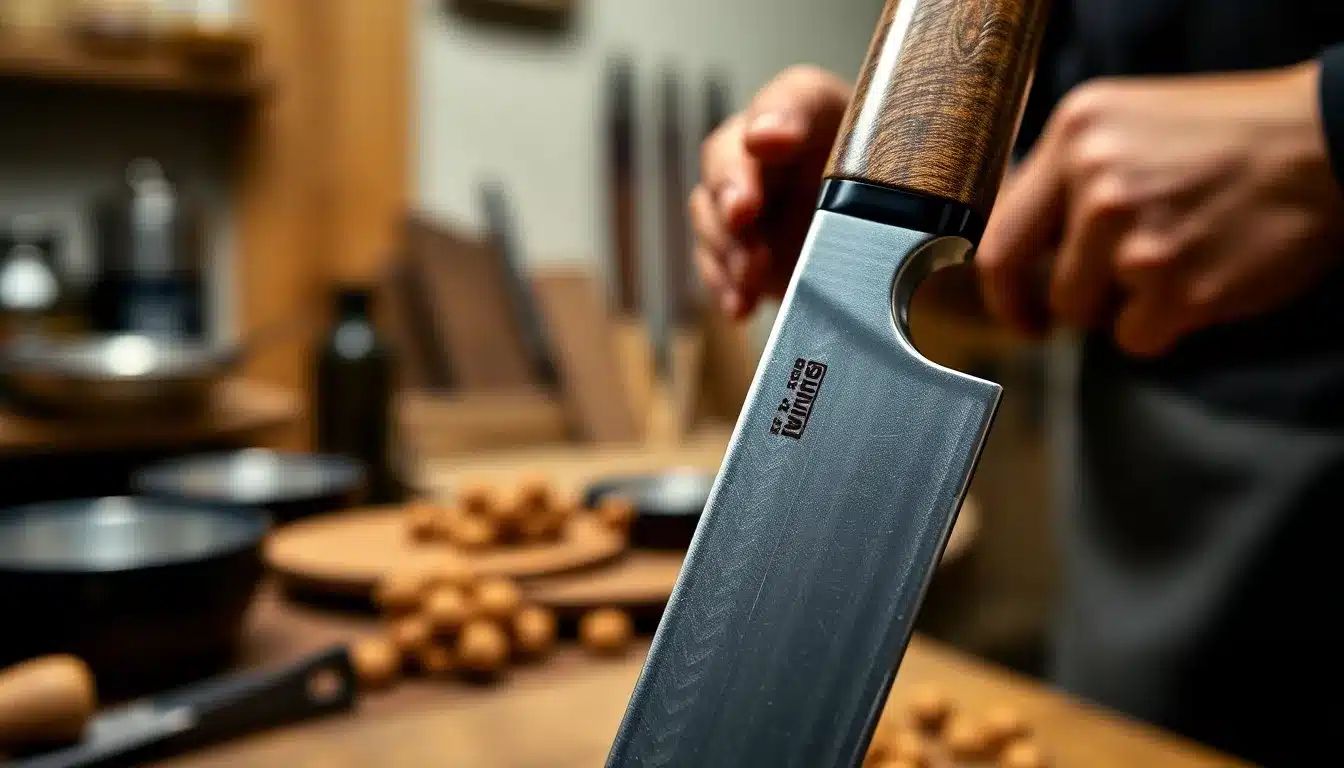
Zwilling Japanese Knives: The Ultimate Professional Evaluation for 2025
Welcome to the definitive guide for discerning chefs and culinary enthusiasts exploring the exceptional world of zwilling japanese knives. This comprehensive evaluation for 2025 delves into how these meticulously crafted tools, primarily under the esteemed Miyabi brand, fuse German engineering precision with ancient Japanese blade artistry. Discover why these premium knives are not just instruments, […]
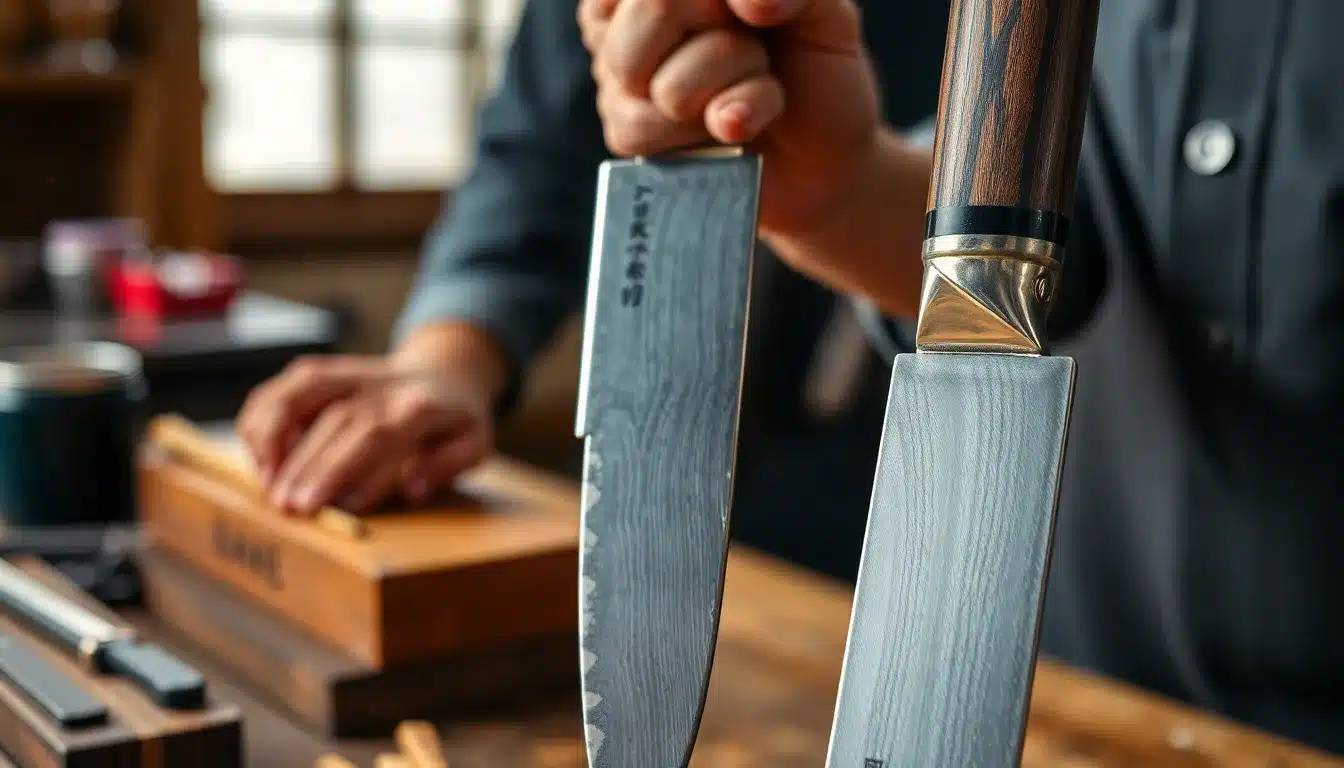
Unveiling the Ultimate Japanese Chefs Knives Review: Expert Insights for 2025
Welcome to the definitive guide on the finest Japanese culinary tools. This comprehensive japanese chefs knives review dives deep into the world of precision craftsmanship, unparalleled sharpness, and ergonomic design that sets Japanese knives apart. Choosing the right chef knife can profoundly transform your cooking, making every slice, dice, and chop a true pleasure. We […]