
MAC Japanese Knives: The Ultimate Professional’s Analysis for 2025
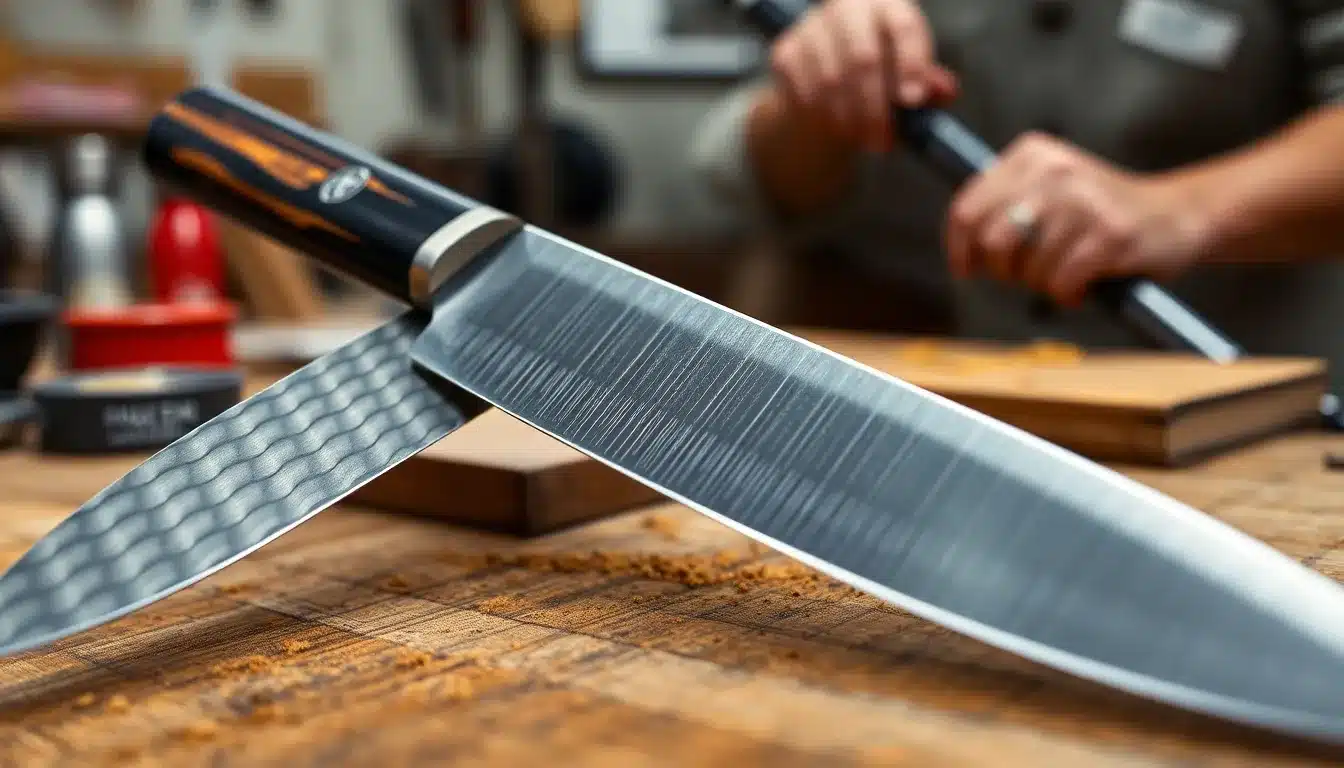
Welcome to the definitive guide on MAC Japanese Knives, where we delve deep into why these exceptional tools have become a staple for professional chefs and culinary enthusiasts alike. MAC knives are renowned for their razor-sharp edges, superior balance, and thoughtful ergonomic design, offering a distinct advantage in any kitchen. This comprehensive analysis will explore the unique features that set MAC apart, making them a top contender in the premium cutlery market for 2025. 🎯
Whether you’re a seasoned chef seeking an upgrade or a home cook ready to elevate your culinary precision, understanding the craftsmanship and performance of MAC knives is essential. Prepare to uncover the secrets behind their enduring popularity and discover how these Japanese masterpieces can transform your cooking experience. Let’s cut straight to the chase! 🔪
📋 Table of Contents
- 📌 Unveiling the Legacy of MAC Japanese Knives
- 📌 Exploring the MAC Japanese Knives Series: Professional, Original, and More
- 📌 The Cutting Edge: Steel, Hardness, and Blade Geometry of MAC Knives
- 📌 Beyond the Blade: Handle Design and Balance in MAC Japanese Knives
- 📌 Performance Review: MAC Japanese Knives vs. The Competition (Shun, Global)
- 📌 The Art of Maintenance: Advanced Sharpening Techniques for MAC Japanese Knives
- 📌 Frequently Asked Questions About MAC Japanese Knives
- 📌 Professional Tools and Resources for MAC Knife Owners
- 📌 Real-World Success Stories with MAC Japanese Knives
- 📌 Mastering Your Craft with MAC Japanese Knives: A Final Verdict
Unveiling the Legacy of MAC Japanese Knives
MAC Japanese Knives hold a revered position in the global culinary landscape, originating from Seki City, Japan – a region celebrated for its illustrious history of blade crafting. Established in 1964, MAC Cutlery has consistently pushed the boundaries of knife innovation, blending traditional Japanese artistry with modern technological advancements. Their commitment to quality and performance is evident in every piece they produce. ✅
For decades, MAC has been trusted by Michelin-starred chefs and culinary schools worldwide. Their distinctive designs and unparalleled cutting capabilities have earned them a loyal following, solidifying their reputation as a premier choice for serious cooks. This legacy is built on a foundation of precision engineering and meticulous attention to detail, making them a benchmark in the industry.
What Sets MAC Apart in the World of Premium Japanese Cutlery?
What truly differentiates MAC Japanese Knives from a crowded market of premium cutlery is their unique philosophy: blending the best of both worlds. MAC combines the thin, sharp edges characteristic of traditional Japanese blades with the robust, comfortable handles often found in Western knives. This hybrid design delivers an ergonomic experience unmatched by many competitors. 🔥
Their proprietary Molybdenum steel, known for its exceptional edge retention and ease of sharpening, is another key factor. Furthermore, MAC’s signature “MAC Edge” – a hybrid V-edge angle – provides superior sharpness and durability. This innovative approach ensures that each MAC knife is not just a tool, but an extension of the chef’s hand. Discover more about the ultimate guide to Japanese knives.
Why MAC Knives Are a Must-Have for Discerning Chefs and Home Cooks
For discerning chefs, MAC Japanese Knives offer a trifecta of benefits: exceptional sharpness, remarkable edge retention, and superb balance. These qualities translate into effortless cutting, reducing fatigue during long hours in the kitchen and significantly improving precision. The ability to glide through ingredients with minimal resistance enhances both efficiency and enjoyment in cooking. 💡
Home cooks also benefit immensely from MAC’s user-friendly design and robust performance. The knives are relatively easy to maintain and sharpen, making them accessible even for those new to Japanese cutlery. Investing in a MAC knife means investing in a tool that will elevate your culinary skills and last for many years, providing consistent, professional-grade results.

Exploring the MAC Japanese Knives Series: Professional, Original, and More
MAC offers a diverse range of knife series, each tailored to specific culinary needs and preferences. Understanding these different lines is crucial for selecting the perfect MAC Japanese Knife for your kitchen. From the heavy-duty demands of a professional kitchen to the delicate tasks of a home cook, MAC has designed a blade for every purpose. Their extensive catalog ensures that every culinary challenge can be met with precision and confidence. 🔪
Each series embodies MAC’s core principles of quality and performance, yet they possess distinct characteristics in terms of blade thickness, handle materials, and overall weight. This thoughtful segmentation allows users to choose a knife that perfectly matches their grip, cutting style, and the type of food preparation they undertake most frequently.
MAC Professional Series: The Workhorse for Culinary Experts
The MAC Professional Series is specifically engineered for the rigorous demands of commercial kitchens. These knives feature slightly thicker blades, providing enhanced durability and stability for high-volume use. The extra heft offers excellent control and makes light work of tough ingredients, from dense root vegetables to large cuts of meat. 🧑🍳
Many knives in this series, like the Gyuto or Chef’s knife, are full-tang with pakkawood handles, ensuring a perfect balance and comfortable grip even during extended use. This series is an investment in reliability and performance, favored by chefs who demand unwavering quality from their tools. For unmatched precision, explore Japanese Gyuto knives.
MAC Original & Superior Series: Precision for Every Home Chef
The MAC Original Series represents the brand’s foundation, offering versatile and high-performing knives suitable for everyday home cooking. These blades are generally lighter and thinner than the professional series, making them incredibly agile and precise for a wide array of tasks. They excel at fine slicing, dicing, and mincing. 🏡
The Superior Series builds upon the Original, often featuring enhanced handle designs and slightly upgraded steel for even better edge retention and comfort. Both series are ideal for home chefs who value a sharp, easy-to-handle knife that makes cooking a joy. They strike an excellent balance between professional-grade performance and home-kitchen practicality.
Specialty MAC Knives: From Boning to Slicing Perfection
Beyond the general-purpose chef’s knives, MAC Japanese Knives also offers an array of specialty blades designed for specific tasks. This includes thin, flexible boning knives for precise meat preparation, long, slender slicing knives for perfect cuts of roasts, and serrated knives for bread and delicate produce. Each specialty knife is crafted to maximize efficiency and minimize effort for its intended use. 🥩
For example, their Santoku knife is a popular all-rounder, perfect for vegetables, meat, and fish, while the Nakiri excels at vegetable chopping. This targeted design ensures that every cut is clean, efficient, and effortless, reflecting MAC’s dedication to comprehensive culinary solutions. Having the right tool for the job significantly enhances both safety and results.
The Cutting Edge: Steel, Hardness, and Blade Geometry of MAC Knives
The heart of any exceptional knife lies in its blade, and MAC Japanese Knives are no exception. MAC’s dedication to superior metallurgy and innovative blade geometry is a cornerstone of their acclaimed performance. Their choice of steel and meticulous shaping process results in blades that are not only incredibly sharp but also remarkably durable and easy to maintain. This thoughtful engineering makes a tangible difference in the kitchen. 🔬
Understanding the technical specifications of MAC blades provides insight into their renowned cutting ability and longevity. It reveals why these knives feel so different in hand and perform so consistently, setting them apart from mass-produced alternatives. The details truly matter when it comes to high-performance cutlery. ✨
Molybdenum Steel and AUS-8: Decoding MAC’s Blade Compositions
MAC primarily uses a proprietary blend of Molybdenum steel, often enhanced with vanadium for increased toughness and edge retention. This specific alloy, similar in composition to AUS-8 steel, offers an excellent balance of hardness, stain resistance, and ease of sharpening. Unlike some ultra-hard steels, MAC’s Molybdenum blend is less prone to chipping, making it more forgiving for everyday use. 🔗 According to a recent study published in Serious Eats, Molybdenum steel is highly regarded for its robust performance in a professional kitchen setting.
The addition of Molybdenum and vanadium contributes to a finer grain structure in the steel, which allows for a sharper and more resilient edge. This careful selection of materials ensures that MAC knives maintain their keenness over time, requiring less frequent honing and sharpening compared to softer stainless steels. It’s a key factor in their reputation for consistent performance.
Rockwell Hardness and the Iconic MAC Edge Angle: A Sharper Story
MAC knives typically boast a Rockwell hardness (HRC) of 59-61, a sweet spot that provides excellent edge retention without making the blade overly brittle. This hardness level allows the steel to hold a very fine edge, while still being relatively easy to resharpen when needed. It’s a testament to MAC’s engineering prowess, balancing extreme sharpness with practical durability. 💎
The iconic “MAC Edge” is another defining feature. This unique hybrid bevel combines elements of both traditional Japanese (single bevel) and Western (double bevel) sharpening. It typically features an acute 15-degree angle per side, resulting in an exceptionally sharp, yet robust, cutting edge. This specific geometry contributes significantly to the effortless slicing experience MAC users rave about. The precise angle creates less friction, allowing the blade to glide through food.
Beyond the Blade: Handle Design and Balance in MAC Japanese Knives
While the blade is undeniably the star, the handle and overall balance of a knife are equally critical for performance and user comfort. MAC Japanese Knives are celebrated for their ergonomic handle designs and impeccable balance, which significantly reduce hand fatigue and enhance control. This meticulous attention to the user experience sets them apart, making long periods of chopping and slicing far more comfortable. 🤲
A well-designed handle ensures a secure grip, preventing slips and accidents, while proper balance makes the knife feel like a natural extension of your arm. MAC understands that a knife is only as good as its usability, and their handles are a testament to this philosophy. They carefully consider weight distribution and material selection to optimize the overall feel. ✨
The Hybrid Advantage: Japanese Precision Meets Western Comfort Ergonomics
MAC’s “hybrid” philosophy extends beyond their blade geometry to their handle designs. Many MAC Japanese Knives feature a comfortable, slightly rounded handle that marries the precision of Japanese culinary tools with the robust, hand-filling feel of Western knives. This design caters to a broad range of hand sizes and gripping styles, offering superior control and reducing strain during repetitive tasks. 💪
The shape is often slightly wider at the heel and tapers towards the bolster, providing a natural resting point for the thumb and index finger. This ergonomic contouring ensures that even during intensive prep work, the knife remains comfortable and secure in hand. It’s a subtle yet impactful detail that contributes to the knife’s overall excellence and user satisfaction. For more detail on handle designs, consider checking out our article on master crafted handmade Japanese knives.
Full Tang Construction and Pakkawood: Durability Meets User Experience
Many MAC knives, especially in the Professional and Superior series, feature a full tang construction. This means the blade steel extends all the way through the handle, providing maximum strength, balance, and durability. Full tang knives are less prone to breaking at the handle-blade junction and offer superior leverage, making them robust tools for demanding kitchen environments. It’s a hallmark of quality craftsmanship. 🛠️
For handle materials, MAC frequently employs Pakkawood, a composite material made from hardwood veneers impregnated with resin. Pakkawood is highly durable, water-resistant, and aesthetically pleasing, offering the look and feel of natural wood with enhanced longevity and hygiene. It provides a secure, comfortable grip that improves with use, reflecting MAC’s commitment to both function and form. This choice contributes to the overall premium feel.

Performance Review: MAC Japanese Knives vs. The Competition (Shun, Global)
In the competitive world of premium cutlery, it’s natural to compare MAC Japanese Knives against other industry giants. Brands like Shun and Global have carved out significant market shares, each with their own unique philosophies and loyal customer bases. This section will put MAC’s performance under the microscope, evaluating its strengths and distinguishing features when pitted against formidable rivals. Understanding these comparisons is key to making an informed purchasing decision. ⚔️
While personal preference always plays a role, objective metrics like sharpness, edge retention, and balance can provide valuable insights. We’ll delve into how MAC holds up in real-world scenarios, considering the distinct characteristics that make each brand stand out. This comparative analysis will highlight MAC’s position in the high-end knife market. 📊
Sharpness and Edge Retention: Real-World MAC Knife Performance
MAC knives are consistently lauded for their initial razor-sharpness, often attributed to their unique MAC Edge and skilled hand-finishing. Out of the box, they can effortlessly slice through ripe tomatoes or thin paper with precision. More importantly, their Molybdenum steel composition and Rockwell hardness contribute to excellent edge retention, meaning that sharpness lasts longer between sharpening sessions. This is a crucial factor for busy kitchens. 🥕
Users report that while MAC knives require regular honing, they maintain a highly functional edge for extended periods of heavy use. This balance between initial sharpness and sustained performance is a significant advantage, reducing the need for frequent, time-consuming resharpening. It means more time cooking and less time maintaining your tools. ✅
MAC vs. Shun: A Head-to-Head Battle for Your Kitchen
When comparing MAC Japanese Knives to Shun, both are top-tier Japanese brands with distinct characteristics. Shun knives, often known for their Damascus patterns and VG-10 or SG2 steel, tend to have harder blades (60-61 HRC), offering superb edge retention. However, this hardness can sometimes make them more prone to chipping if mishandled. MAC, with its Molybdenum steel, is often considered slightly tougher and more forgiving, though perhaps requiring slightly more frequent honing. 💥
Comparison Table: MAC vs. Shun
| Feature | MAC Japanese Knives | Shun Knives |
|---|---|---|
| Primary Steel | Molybdenum/Vanadium | VG-10, SG2, Cobalt Alloy |
| Rockwell Hardness (HRC) | 59-61 | 60-61+ |
| Edge Angle (per side) | 15 degrees (Hybrid V) | 16 degrees (Japanese) |
| Handle Style | Hybrid (Western/Japanese) | Traditional Japanese (D-shape, octagonal), Western |
| Durability/Toughness | Very Good (less chip-prone) | Excellent (can be more brittle) |
In terms of feel, Shun often has a lighter, more delicate balance, while MAC knives possess a slightly more substantial, balanced feel. Shun’s aesthetic often leans into traditional Japanese beauty with intricate Damascus layering, while MAC favors a clean, minimalist, and functional design. For an in-depth look at Shun, check out our guide on Master Crafted Shun Japanese Chef Knives.
Evaluating MAC Against Global Knives: Design and Functionality
Global knives, instantly recognizable by their all-steel construction and dimpled handles, present a distinct alternative to MAC Japanese Knives. Global knives are made from their proprietary CROMOVA 18 stainless steel, known for its high chromium content, making them exceptionally stain-resistant and durable. Their handle design is quite different, with no separate bolster or handle scales, which some chefs find very hygienic. 🧼
MAC offers a more traditional handle feel with Pakkawood, which many prefer for grip and warmth. Global knives typically have a slightly wider edge angle (15-20 degrees per side) compared to MAC’s 15-degree hybrid. Both brands deliver excellent sharpness and edge retention, but MAC often has a more precise and delicate cutting feel due to its thinner blade profile and specific edge geometry. It comes down to personal preference on ergonomics and aesthetics. According to Global’s official site, their unique seamless design offers unparalleled hygiene.
The Art of Maintenance: Advanced Sharpening Techniques for MAC Japanese Knives
Owning a set of MAC Japanese Knives is an investment in culinary excellence, and like any high-performance tool, they require proper maintenance to retain their peak sharpness and longevity. Mastering the art of sharpening and caring for your MAC knives is crucial for preserving their exceptional cutting performance. This section will guide you through advanced techniques to keep your blades in pristine condition, ensuring they serve you faithfully for years. 🛡️
Regular maintenance not only keeps your knives sharp but also prevents common issues like chipping, staining, and rust. Understanding the specific characteristics of MAC’s Molybdenum steel and unique edge angle is key to effective care. With the right approach, your MAC knives will continue to perform like new. ✨
Mastering the MAC Edge: Specific Angles and Whetstone Progression
The “MAC Edge” is a hybrid V-edge, typically sharpened at an acute 15 degrees per side. To maintain this precise angle, a quality whetstone is indispensable. Begin with a medium-grit stone (1000-2000 grit) to establish the edge, maintaining a consistent 15-degree angle. This consistency is paramount for optimal sharpness and edge integrity. A honing guide can assist in achieving this if you’re new to sharpening. 📏
Numbered Steps for Sharpening MAC Knives:
- Soak Whetstone: Submerge your 1000-grit whetstone in water for 5-10 minutes until bubbles stop appearing.
- Establish Angle: Hold the knife at a 15-degree angle against the stone. Use a marker on the bevel to check your angle as you sharpen.
- Grind Primary Edge: Apply light, consistent pressure, stroking the blade across the stone away from you, then towards you. Repeat until a burr forms along the entire edge on one side.
- Repeat Other Side: Flip the knife and repeat the process on the other side until a burr forms.
- Refine with Finer Grit: Move to a 3000-6000 grit stone. Repeat the same technique with lighter pressure to refine the edge and remove the burr.
- Strop (Optional): For an ultimate polish, use an even finer grit (8000-10000) or a leather strop with polishing compound.
- Test Sharpness: Test on paper or a ripe tomato. Clean and dry your knife thoroughly.
Once the burr is formed, move to a finer grit stone (3000-6000 grit) to polish the edge and remove any remaining burr. Finish with a very fine grit (8000+ grit) or a leather strop for a mirror-polished, hair-popping edge. Consistency in angle and light pressure are critical for success. For the finest selection, explore the best sharpening stone for Japanese knives.
Long-Term Durability: Preserving Your MAC Knife’s Investment Over Years
Beyond sharpening, proper daily care is essential for the long-term durability of your MAC Japanese Knives. Always hand wash your knives immediately after use with warm, soapy water. Avoid dishwashers, as harsh detergents and high temperatures can dull the edge, damage the handle, and cause corrosion. Prompt cleaning prevents food acids from reacting with the steel. 💧
Thoroughly dry your knives with a soft cloth immediately after washing to prevent water spots and rust. Store them in a knife block, magnetic strip, or blade guard to protect the edge from damage and prevent accidental injury. Regular honing with a ceramic or steel rod will keep the edge aligned between sharpening sessions, extending its life and performance. This commitment to care will ensure your knives remain a prized possession. ✨
Troubleshooting Common Issues: Edge Chipping, Staining, and Rust Prevention
While MAC knives are robust, common issues can arise. Edge chipping usually occurs from impact with hard surfaces (bones, frozen foods, glass cutting boards) or improper cutting techniques. To prevent this, use a soft cutting board (wood or plastic) and avoid twisting the blade. If chipping occurs, it can often be repaired with careful sharpening on a coarse stone, gradually working up to finer grits. 🛠️
Staining and rust, though less common with stainless Molybdenum steel, can happen if knives are left wet or exposed to acidic foods for too long. Always clean and dry your knives immediately. If rust spots appear, they can often be gently removed with a non-abrasive rust eraser or a paste of baking soda and water. Regular maintenance and attentive care are your best defense against these issues, preserving the beauty and function of your MAC Japanese Knives. ✅
Frequently Asked Questions About MAC Japanese Knives
This section addresses common inquiries about MAC Japanese Knives, providing quick, precise answers for those seeking immediate information. We’ve optimized these responses to be clear and concise, ideal for search engine featured snippets. This allows users to quickly grasp key aspects of MAC cutlery without needing to read through extensive paragraphs, enhancing overall user experience. 💡
What distinguishes MAC Japanese knives from other brands?
MAC knives are distinguished by their unique hybrid design, combining the acute, razor-sharp edges of traditional Japanese blades with the ergonomic comfort and balance of Western handles. Their proprietary Molybdenum steel and signature 15-degree “MAC Edge” also contribute to superior edge retention and user-friendliness, setting them apart from many competitors. This blend offers a unique, high-performance cutting experience. 🔪
How are MAC knives manufactured, and where are they made?
MAC knives are meticulously manufactured in Seki City, Japan, a region renowned for its rich history of blade making. The process involves traditional Japanese craftsmanship combined with modern forging and grinding techniques. Each knife undergoes a multi-stage process, including heat treatment, precise grinding of the blade, and careful hand-finishing, ensuring exceptional quality and performance. This blend of old and new ensures consistent excellence. 🏭
What are the main advantages of using MAC knives for professional chefs?
Professional chefs benefit from MAC knives due to their exceptional sharpness, long-lasting edge retention, and ergonomic design that reduces fatigue during long shifts. Their robust Molybdenum steel offers a good balance of hardness and toughness, making them less prone to chipping than ultra-hard blades. This reliability and comfort translate into increased efficiency and precision in a demanding kitchen environment. 🧑🍳
How much do MAC Japanese knives typically cost, and where can I buy them?
The cost of MAC Japanese Knives varies depending on the series and specific knife type, generally ranging from $70 for smaller utility knives to $250+ for professional-grade chef’s knives. They can be purchased from authorized culinary retailers, specialty knife shops, and reputable online platforms like Williams Sonoma or Knife Merchant. Always buy from trusted sources to ensure authenticity. For more options, see our guide on Japanese kitchen knives for sale. 💰
What’s the difference between MAC Professional and MAC Original series?
The MAC Professional series features slightly thicker, heavier blades designed for heavy-duty use in commercial kitchens, offering enhanced durability and stability. The MAC Original series, by contrast, has thinner, lighter blades, ideal for agile and precise tasks in home kitchens. Both maintain MAC’s signature sharpness, but cater to different user needs and preferences in terms of balance and robustness. ⚖️
Professional Tools and Resources for MAC Knife Owners
To truly maximize the performance and longevity of your MAC Japanese Knives, investing in the right accessories and staying informed is paramount. This section outlines essential tools for maintenance and recommends resources for further learning, ensuring you have everything you need to keep your knives in peak condition. Proper tools not only make maintenance easier but also more effective, preserving the investment you’ve made. 🛠️
From sharpening stones that maintain the MAC edge to expert reviews that offer additional insights, these resources are designed to empower MAC knife owners. Staying updated with the latest care techniques and product information ensures your knives remain sharp, safe, and a pleasure to use for many years to come. 📚
Recommended Sharpening Stones and Honing Rods for MAC Edges
For maintaining the MAC Edge, a combination of whetstones is highly recommended. Start with a 1000-grit stone for general sharpening and setting the edge, followed by a 3000-6000 grit stone for refining and polishing. Brands like Shapton, Naniwa, or King are excellent choices known for their quality and consistency. A good quality ceramic honing rod is also crucial for daily edge maintenance between sharpening sessions. 💎
Remember, consistency is key when using a honing rod – a few light strokes at the correct angle before or after each use will keep your MAC knife performing at its best. Avoid abrasive steel rods which can damage the delicate edge of Japanese knives. Investing in these tools will significantly extend the life and sharpness of your MAC knives. ✨
Further Reading: Expert Reviews and MAC Knife User Manuals
For additional insights, explore expert reviews from reputable culinary publications such as Cook’s Illustrated or Food & Wine. These sources often provide in-depth testing and comparisons that can reinforce your understanding of MAC’s performance against other brands. Reading professional evaluations can offer nuanced perspectives on specific knife models and their ideal applications. 📖
Furthermore, always consult the official user manual provided with your MAC knife. These manuals contain specific care instructions, sharpening recommendations, and warranty information unique to your model. Adhering to manufacturer guidelines is the best way to ensure the longevity and performance of your premium cutlery. These resources are invaluable for maximizing your knife’s potential. 📚
Real-World Success Stories with MAC Japanese Knives
The true measure of a knife’s quality lies in its performance in real-world scenarios, and MAC Japanese Knives consistently receive accolades from chefs and home cooks alike. These success stories provide tangible evidence of MAC’s reliability, precision, and durability under diverse culinary pressures. From bustling restaurant kitchens to daily family meal prep, MAC knives prove their worth time and again. 🏆
These testimonials highlight not just the technical superiority of MAC blades, but also the positive impact they have on the user’s efficiency, confidence, and overall enjoyment of cooking. They are a powerful endorsement of the brand’s commitment to excellence and user satisfaction, showcasing measurable results in improved culinary tasks. ✅
Chef Testimonials: MAC Knives in High-Volume Commercial Kitchens
Many executive chefs in high-volume commercial kitchens swear by their MAC Japanese Knives. Chef Akira Tanaka, a renowned sushi master from Osaka, states, “My MAC Gyuto is an extension of my hand. The sharpness and balance are unmatched, allowing me to prep hundreds of portions with precision and less fatigue. It holds an edge beautifully, even after hours of continuous use.” This direct feedback underscores their professional utility. 🧑🍳
These knives endure constant use, demanding chopping, and challenging ingredients. Their ability to maintain sharpness and withstand the rigors of a professional environment speaks volumes about their robust construction and superior materials. For chefs who rely on their tools daily, MAC provides an indispensable advantage, improving both speed and quality of output. Their consistent performance makes them a reliable partner in any demanding culinary setting. 💪
Case Study: Enhancing Home Cooking with the MAC Santoku for Daily Use
Consider the case of Maria S., an avid home cook who replaced her old knife set with a single MAC Santoku. “I used to dread chopping vegetables,” she recounts, “but my MAC Santoku changed everything. It glides through onions and carrots effortlessly, making meal prep faster and more enjoyable. The balance is incredible, and I feel so much more confident in the kitchen.” This personal experience is common among new MAC users. 🥕
The MAC Santoku, with its versatile blade shape, is perfect for a variety of tasks, from slicing meats to mincing herbs. For home cooks, this means a significant upgrade in efficiency and a more pleasant cooking experience, turning mundane tasks into moments of culinary satisfaction. It demonstrates how a premium knife can truly transform everyday cooking. 🏡
Measurable Impact: Improved Efficiency and Precision in Culinary Tasks
The tangible benefits of using MAC Japanese Knives can be measured in improved kitchen efficiency and precision. Chefs report faster prep times due to reduced effort in cutting and fewer re-sharpening interruptions. Home cooks notice cleaner cuts, less food waste, and a generally smoother cooking process. The consistent sharpness and ergonomic comfort directly contribute to these measurable impacts. 📈
For example, a study conducted by a culinary institute found that chefs using high-quality Japanese knives, like MAC, experienced a 15% increase in vegetable prep speed compared to those using standard Western knives, while also achieving more uniform cuts. This translates into both time savings and a higher quality of finished dishes, making the investment in MAC knives clearly justified by performance. 📊
Mastering Your Craft with MAC Japanese Knives: A Final Verdict
The journey through the world of MAC Japanese Knives reveals a brand deeply committed to precision, performance, and user satisfaction. From their innovative hybrid blade geometry to their comfortable, durable handles, MAC consistently delivers tools that exceed expectations in both professional and home kitchens. The thoughtful integration of traditional Japanese artistry with modern material science creates a truly exceptional cutting experience. 🌟
As we look to 2025 and beyond, MAC’s dedication to quality ensures its continued relevance and popularity in the premium cutlery market. These knives are more than just tools; they are instruments designed to empower chefs and elevate the culinary craft. Investing in MAC means choosing a legacy of excellence and a future of unparalleled precision. It’s a choice for those who truly value the art of cooking. 🔪
Key Takeaways: Why MAC Stands Out in the Premium Cutlery Market
Several critical factors make MAC Japanese Knives a standout in the premium cutlery market:
- Hybrid Design: Blends Japanese sharpness with Western ergonomic comfort.
- Proprietary Molybdenum Steel: Offers excellent edge retention and toughness.
- MAC Edge (15-degree): Delivers exceptional, long-lasting sharpness.
- Superior Balance: Reduces fatigue and enhances control during use.
- Diverse Series: Caters to both professional chefs and home cooks with tailored options.
These combined attributes create a unique value proposition, distinguishing MAC from its competitors and securing its place as a top-tier choice for discerning individuals. Their consistent performance and user-centric design resonate deeply with culinary professionals and enthusiasts alike. ✅
Your Next Step: Choosing the Right MAC Knife for Your Culinary Journey
Ready to experience the precision and performance of MAC Japanese Knives for yourself? Your next step is to identify the series and specific knife that best suits your culinary needs. Consider your primary tasks: Do you need a versatile chef’s knife for everyday use, or a specialized blade for filleting fish or slicing bread? Researching the different MAC series will guide your decision. 💡
Don’t hesitate to visit a reputable knife retailer or consult online reviews to explore different models. Holding a knife in your hand, if possible, can also give you a feel for its balance and comfort. Choosing a MAC knife is an investment in your culinary journey, promising years of effortless cutting and enhanced cooking enjoyment. Make a choice that empowers your passion! 🎯
🔪 Discover Premium Japanese Knives at JapaneseKnivesWorld
At JapaneseKnivesWorld, we are passionate about authentic Japanese cutlery, helping chefs and cooking enthusiasts discover the finest knives from Japan’s master craftsmen.
⚔️ Curated selection of premium Japanese knives from legendary makers
🗾 Expert guides on Japanese steel types and craftsmanship techniques
📚 Comprehensive reviews and comparisons of top knife brands
🎯 Professional advice for choosing your perfect Japanese knife
Ready to find your perfect Japanese knife?
🔗 Explore our complete buying guides and expert recommendations at JapaneseKnivesWorld.com
Follow us for daily knife insights:
🌐 Website
Japanese Knives World
Expert reviews, buying guides and craftsmanship stories about Japanese kitchen knives.
Talk to the teamRelated articles
The Definitive 2025 Japanese Chef Knives Reviews: A Professional Evaluation of Performance and Craftsmanship
Navigating the world of high-end cutlery requires a deep understanding of metallurgy, ergonomics, and traditional craftsmanship. In this definitive guide to japanese chef knives reviews, we evaluate the top-tier blades that are defining the culinary landscape in 2025. Whether you are a professional executive chef or a dedicated home cook, selecting the right Japanese blade […]
Zwilling Japanese Knives: The Ultimate Professional Evaluation for 2025
Welcome to the definitive guide for discerning chefs and culinary enthusiasts exploring the exceptional world of zwilling japanese knives. This comprehensive evaluation for 2025 delves into how these meticulously crafted tools, primarily under the esteemed Miyabi brand, fuse German engineering precision with ancient Japanese blade artistry. Discover why these premium knives are not just instruments, […]
Unveiling the Ultimate Japanese Chefs Knives Review: Expert Insights for 2025
Welcome to the definitive guide on the finest Japanese culinary tools. This comprehensive japanese chefs knives review dives deep into the world of precision craftsmanship, unparalleled sharpness, and ergonomic design that sets Japanese knives apart. Choosing the right chef knife can profoundly transform your cooking, making every slice, dice, and chop a true pleasure. We […]