
The Definitive Guide to Japanese Knives at Williams Sonoma: Expert Insights & Premium Selection
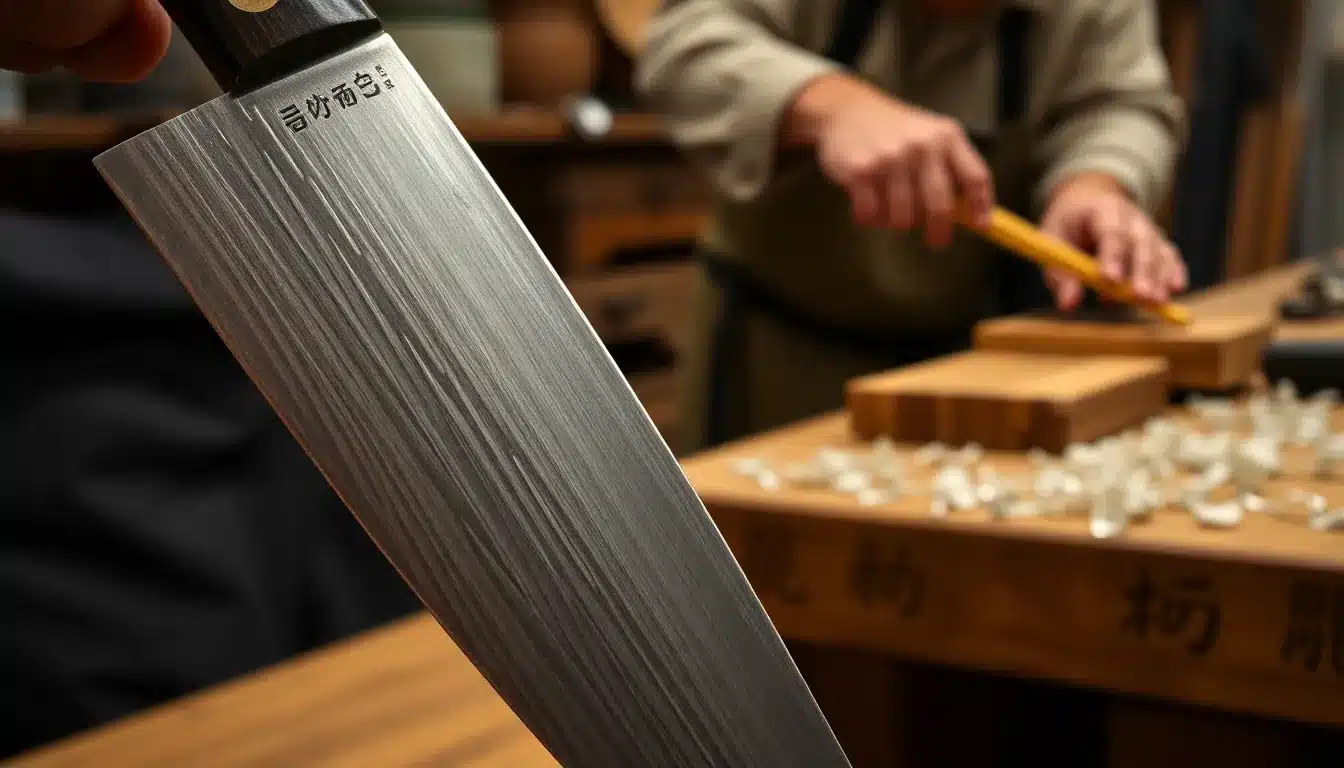
Navigating the world of premium cutlery can be a delightful journey, especially when seeking the perfect japanese knives williams sonoma offers. Williams Sonoma has established itself as a trusted retailer, curating a selection that caters to both seasoned chefs and enthusiastic home cooks alike. This guide delves into everything you need to know about purchasing exquisite Japanese knives from this renowned store, ensuring you make an informed decision that elevates your culinary craft. Prepare to discover blades that are not just tools, but true works of art, blending centuries of tradition with cutting-edge performance. 🎯
📋 Table of Contents
- 📌 Unlocking the World of Japanese Knives at Williams Sonoma
- 📌 Exploring Top Japanese Knife Brands Available at Williams Sonoma
- 📌 Selecting Your Ideal Japanese Knife at Williams Sonoma
- 📌 Shun vs. Miyabi at Williams Sonoma: A Detailed Series Comparison
- 📌 Mastering Care & Essential Tools for Your Premium Japanese Knives
- 📌 Beyond the Blade: The Advanced Engineering of Elite Japanese Knives
- 📌 Frequently Asked Questions About Japanese Knives at Williams Sonoma
- 📌 Real-World Performance: Success Stories with Williams Sonoma’s Japanese Knives
- 📌 Your Journey to the Perfect Japanese Knives at Williams Sonoma
Unlocking the World of Japanese Knives at Williams Sonoma
Williams Sonoma is more than just a kitchenware store; it’s a destination for quality and craftsmanship. Their curated selection of Japanese knives reflects a commitment to providing exceptional tools for culinary enthusiasts. This carefully chosen range ensures customers have access to some of the finest blades on the market. From traditional designs to modern innovations, their collection embodies the precision and artistry of Japanese knife-making. 🌱
Why Williams Sonoma Stands Out for Premium Japanese Cutlery
Williams Sonoma has cultivated a reputation for offering high-end kitchen tools, and their Japanese knife collection is no exception. They partner with esteemed brands known for their heritage and quality, providing a reliable source for discerning buyers. The in-store experience often includes knowledgeable staff who can guide you through the intricacies of different knife types and steel compositions. This personalized service is invaluable for making an informed purchase.
Moreover, Williams Sonoma frequently offers exclusive sets or limited editions, making them a unique shopping destination. They stand behind the products they sell, offering peace of mind to customers investing in premium cutlery. For a deeper dive into their offerings, explore the extensive selection on the Williams Sonoma Cutlery website. Their commitment to quality ensures every knife is a worthwhile investment. 🔥
Elevating Your Kitchen: The Unmatched Craftsmanship of Japanese Knives
Japanese knives are renowned globally for their exceptional sharpness, superior edge retention, and exquisite balance. This isn’t just about cutting; it’s about a culinary philosophy that values precision, efficiency, and respect for ingredients. Each blade is a testament to generations of blacksmithing traditions, often involving meticulous hand-finishing processes. The craftsmanship elevates a simple kitchen tool into a functional piece of art. 🔪
Many Japanese knives feature harder steel and thinner blades compared to their Western counterparts, allowing for finer cuts and greater precision. This makes tasks like delicate slicing, dicing, and intricate garnishing significantly easier. Incorporating a high-quality Japanese knife into your kitchen repertoire can truly transform your cooking experience, making every preparation step a pleasure. To learn more about the heritage and types, check out our Ultimate Master’s Guide to Japanese Knives.
Exploring Top Japanese Knife Brands Available at Williams Sonoma
Williams Sonoma proudly stocks several of the most respected Japanese knife brands, each offering unique characteristics and catering to different preferences. Understanding these brands is crucial for selecting the perfect blade. From renowned precision to innovative design, their selection covers a broad spectrum of Japanese cutlery excellence. Let’s explore some of the standout names you’ll find. ✅
Shun Cutlery: Precision & Artistry in Every Blade
Shun Cutlery, based in Seki City, Japan, is celebrated for its exquisite craftsmanship and exceptional performance. Their knives often feature Damascus cladding, which not only adds to their beauty but also helps release food from the blade. Shun utilizes high-quality steels like VG-MAX or SG2, known for their impressive hardness and edge retention. Many professional chefs worldwide favor Shun for its blend of traditional techniques and modern materials.
The brand’s commitment to precision ensures that each knife is incredibly sharp right out of the box, maintaining its edge through countless culinary tasks. Shun knives are a popular choice among those seeking a balance of aesthetics, performance, and durability. Discover more about this iconic brand in our Ultimate Guide to Shun Japanese Knives.
Miyabi Knives: Fusing Tradition with Modern Performance
Miyabi knives represent the pinnacle of Japanese blade artistry, combining traditional techniques with German engineering (Miyabi is part of the Zwilling J.A. Henckels group). Manufactured in Seki, Japan, Miyabi blades are known for their exceptional hardness, razor-sharp edges, and stunning aesthetics. They often feature various high-carbon steel cores, protected by layers of Damascus steel, creating beautiful patterns. 🎌
Each Miyabi knife undergoes a meticulous 100-step process, often including traditional Honbazuke sharpening, to achieve its incredible sharpness. The ergonomic handles, typically made from premium woods, provide comfort and control. Miyabi offers a luxurious cutting experience for those who appreciate fine detail and superior performance. For an in-depth look, read our Ultimate Professional Evaluation of Miyabi Knives.
Global Knives: Unique Design for Everyday Culinary Tasks
Global knives stand apart with their distinctive, seamless stainless steel construction, first introduced in 1985. This innovative design eliminates food and dirt traps, making them exceptionally hygienic and easy to clean. Made from Cromova 18 stainless steel, Global knives are known for their strong edge retention and relatively easy resharpening. Their unique dimpled handles ensure a secure, comfortable grip, even when wet. 💡
While often having a slightly less acute edge angle than some other Japanese brands, Global knives are incredibly versatile and durable, making them excellent workhorses for everyday culinary tasks. They are a favorite among professional chefs and home cooks seeking a modern, high-performance knife with a distinct aesthetic. Their balance and ease of use are frequently praised by users. According to Global’s official site, their ergonomic design is key to long-term comfort.
Selecting Your Ideal Japanese Knife at Williams Sonoma
Choosing the right Japanese knife at Williams Sonoma can seem daunting given the variety. However, by understanding your needs and the characteristics of different blades, you can make an informed decision. Consider your primary cooking tasks, preferred cutting style, and budget. This section will guide you through the essential factors to consider.
Key Japanese Knife Types: Santoku, Gyuto, Nakiri, and More
Each Japanese knife type is designed for specific tasks, optimizing efficiency and precision. The Santoku (three virtues) is an all-purpose knife, excelling at slicing, dicing, and mincing. Its flatter blade profile and rounded tip make it popular for home cooks. The Gyuto (cow sword) is the Japanese equivalent of a Western chef’s knife, offering a versatile profile for rocking cuts and push cuts. It’s ideal for meat, fish, and vegetables.
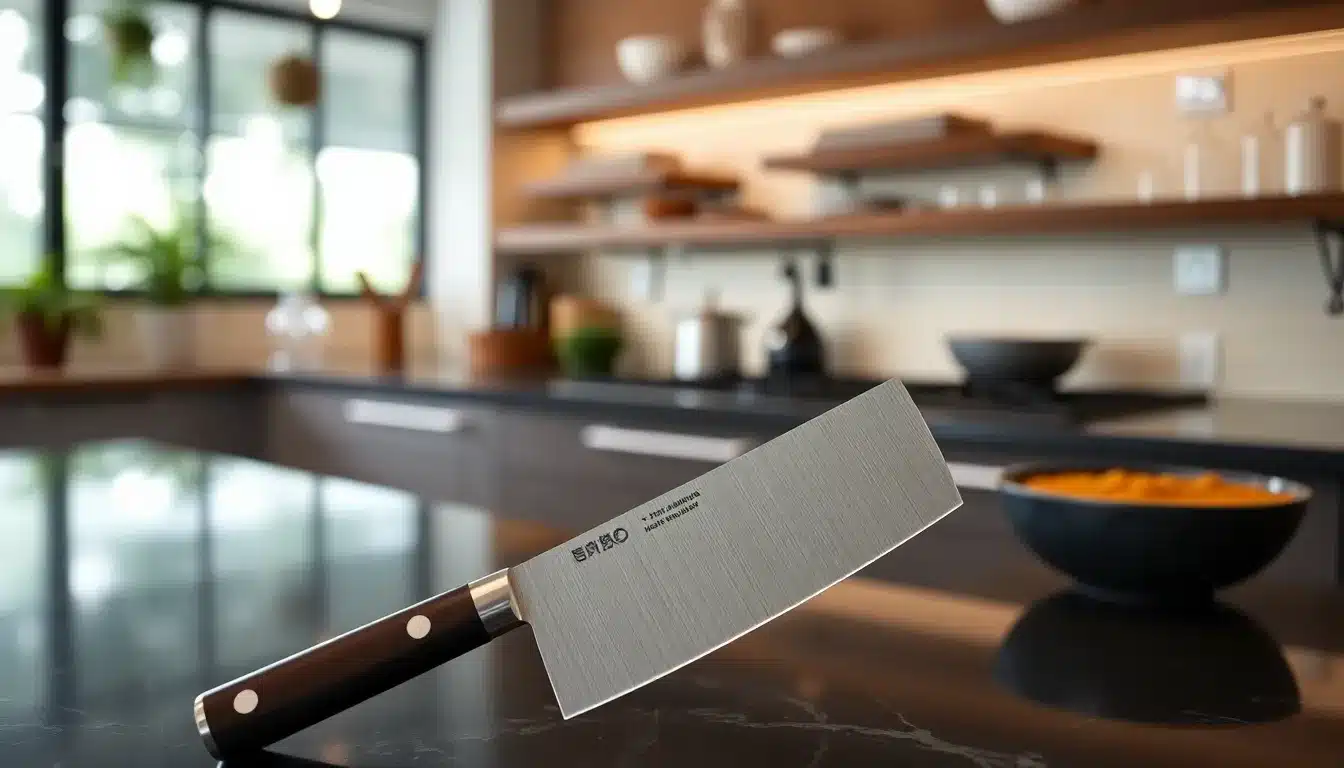
For vegetable preparation, the Nakiri is unparalleled with its thin, straight, rectangular blade perfect for precise chopping and slicing without rocking. Other specialized knives include the Yanagiba for slicing sashimi, the Deba for breaking down fish, and the Petty knife for intricate tasks. Understanding these roles helps narrow down your choice significantly. For unparalleled precision, explore our Japanese Gyuto Knives: Unmatched Precision guide. If vegetables are your passion, check out the Ultimate Guide to Japanese Nakiri Knives.
Understanding Steel Types: VG-10, SG2, and High Carbon
The type of steel used is fundamental to a Japanese knife’s performance and maintenance. VG-10 is a popular stainless steel known for its good hardness (around 60-61 HRC), excellent edge retention, and corrosion resistance. It’s a great all-rounder for everyday use.
SG2 (Super Gold 2), also known as R2, is a powdered stainless steel offering superior edge retention and hardness (62-64 HRC). Knives made from SG2 are incredibly sharp and hold their edge for a long time but can be more challenging to sharpen. High Carbon steel knives (like White #1, White #2, Blue #1, Blue #2) offer extreme sharpness and can be hardened to very high HRC values (62-65+). They are prized by professionals but require diligent care to prevent rust and discoloration. Learn more in The Definitive Guide to Japanese Carbon Steel.
Blade Grind, Edge Angle, and Handle Ergonomics
These technical aspects significantly impact a knife’s performance and your comfort. Japanese knives typically feature a very acute edge angle, often between 10-15 degrees per side, contributing to their exceptional sharpness. Blade grind refers to how the blade tapers from the spine to the edge; thinner grinds reduce friction and improve cutting performance. Many Japanese knives have a convex grind or a combination of grinds, making them glide through food effortlessly.
Handle ergonomics are crucial for comfort during extended use. Traditional Japanese handles (wa-handles) are often D-shaped, octagonal, or oval, offering a light, nimble feel. Western-style handles (yo-handles) are typically contoured for a comfortable, secure grip. Your hand size and preferred grip should influence your choice. Experimenting with different handles in-store at Williams Sonoma can help you find the perfect fit. ✋
Shun vs. Miyabi at Williams Sonoma: A Detailed Series Comparison
When it comes to premium Japanese knives at Williams Sonoma, Shun and Miyabi are often top contenders. Both brands offer exceptional quality, but they have distinct philosophies and characteristics. This comparison aims to highlight their differences, helping you choose the brand that best suits your culinary needs and aesthetic preferences. Understanding their flagship series is key to making a confident decision.
Shun Classic vs. Shun Premier: What Sets Them Apart at WS
The Shun Classic series is perhaps their most iconic, featuring a D-shaped Pakkawood handle and Damascus-clad VG-MAX steel. It’s known for its balance, durability, and razor-sharp edge. The Classic line is a fantastic all-rounder, popular among both home cooks and professionals. It provides a reliable, high-performance knife for a wide range of tasks.
The Shun Premier series, on the other hand, elevates aesthetics and offers a slightly different feel. It features a hammered (Tsuchime) finish on the blade, which helps release food and adds a rustic elegance. The Premier line often uses the same high-performance VG-MAX steel but boasts a contoured Pakkawood handle for an enhanced grip. Many users find the hammered finish makes food stick less, and the handle feels exceptionally comfortable. While both are excellent, Premier often appeals to those looking for a more artisanal look and feel. ✨
Miyabi Kaizen vs. Miyabi Birchwood: Craftsmanship and Feel
Miyabi also offers distinct series with varying characteristics. The Miyabi Kaizen series combines traditional Japanese craftsmanship with modern features. It uses a VG10 core surrounded by 64 layers of Damascus steel, hardened to approximately 60 HRC. The handle is made of linen Micarta, offering durability and a comfortable grip. Kaizen knives are known for their balanced feel and impressive edge retention, making them excellent performers in any kitchen.
The Miyabi Birchwood series represents the pinnacle of Miyabi’s artistry. These knives feature an SG2 powdered steel core, achieving an astonishing 63 HRC for unparalleled sharpness and edge retention. The blade is clad in 100 layers of Damascus steel, creating a stunning floral pattern. The handle is crafted from Masur Birchwood, known for its elegant grain and exceptional durability. Birchwood knives are premium pieces, offering a lighter, more agile feel and breathtaking aesthetics. They are often chosen by those who seek the ultimate in performance and beauty. 🌸
Choosing Between Signature Collections for Your Culinary Style
When deciding between Shun Classic/Premier and Miyabi Kaizen/Birchwood at Williams Sonoma, consider your priorities. If you value a workhorse knife with proven performance and a classic aesthetic, Shun Classic is an excellent choice. If you prefer a more artisanal look with the practical benefit of a hammered finish, Shun Premier is compelling. For those seeking extreme sharpness and durability with a refined, traditional aesthetic, Miyabi Kaizen offers exceptional value. If the absolute pinnacle of Japanese craftsmanship, stunning beauty, and elite performance is your goal, Miyabi Birchwood is the ultimate indulgence. Your personal cooking style, aesthetic preference, and budget will guide your ultimate selection. 🔥
| Feature | Shun Classic (e.g., Gyuto) | Shun Premier (e.g., Gyuto) | Miyabi Kaizen (e.g., Gyuto) | Miyabi Birchwood (e.g., Gyuto) |
|---|---|---|---|---|
| Core Steel | VG-MAX | VG-MAX | VG10 | SG2 (Powder Steel) |
| Hardness (HRC) | 61 | 61 | 60 | 63 |
| Cladding | 34 layers Damascus | 34 layers Damascus (Tsuchime finish) | 64 layers Damascus | 100 layers Damascus |
| Handle Material | D-shaped Pakkawood | Contoured Pakkawood | Linen Micarta | Masur Birchwood |
| Edge Angle (per side) | 16 degrees | 16 degrees | 9.5-12 degrees | 9.5-12 degrees |
| Aesthetic | Classic, elegant | Rustic, hammered finish | Balanced, refined Damascus | Luxury, stunning floral Damascus |
| Best For | All-purpose, durable | Premium feel, food release | Extreme sharpness, value | Ultimate performance & beauty |
Mastering Care & Essential Tools for Your Premium Japanese Knives
Investing in high-quality japanese knives williams sonoma offers means committing to proper care. Japanese knives, with their harder steel and thinner edges, require specific maintenance to retain their legendary sharpness and prevent damage. Neglecting care can lead to rust, chipping, or dullness, diminishing your cutting experience. Proper care extends the life of your valuable tools and ensures consistent performance. Regular attention to sharpening, cleaning, and storage is paramount. 🛠️
Sharpening and Honing for Long-Lasting Edge Retention
Japanese knives benefit from regular honing and periodic sharpening. Honing realigns the microscopic edge of the blade, delaying the need for full sharpening. For Japanese knives, a ceramic or fine grit honing rod is recommended over traditional steel rods, which can be too abrasive. Sharpening involves removing a small amount of steel to create a new, acute edge. Whetstones (water stones) are the preferred method for Japanese knives, offering precise control and a finer finish than most pull-through sharpeners.
Here’s a basic sharpening process:
- Soak Whetstone: Submerge your coarse grit whetstone in water until no more bubbles appear.
- Grind Edge: Hold the blade at the correct angle (typically 10-15 degrees) and gently slide it across the stone, maintaining the angle. Work one side, then the other.
- Refine Edge: Move to a finer grit stone and repeat the process to polish the edge and remove burrs.
- Strop (Optional): Use a leather strop to further refine and polish the edge for a mirror finish.
For detailed instructions, refer to our comprehensive Guide to Sharpening Japanese Knives with a Whetstone. Proper technique is crucial to avoid damaging the blade.
Cleaning and Storage Best Practices to Prevent Corrosion
After each use, immediately clean your Japanese knife by hand with warm, soapy water. Avoid dishwashers, as the high heat, harsh detergents, and jostling can damage the blade and handle. Dry the knife thoroughly with a soft cloth to prevent rust, especially with high carbon steel blades. Even stainless steel can develop rust spots if left wet. For long-term storage, ensure the knife is completely dry.
Proper storage is vital to protect the delicate edge and prevent accidents.
- Magnetic Strip: A popular choice for visibility and easy access, but ensure quality magnets and careful placement.
- Knife Block: A classic solution that protects blades within slots.
- Blade Guards/Saya: Essential for individual knives, especially during transport or if stored in a drawer.
- In-Drawer Knife Tray: Keeps blades safely separated and protected in a drawer.
Never store your knife loosely in a drawer where it can bump against other utensils, dulling or chipping the edge. Always prioritize safety and blade protection. 🔒
Professional Sharpening Services and Warranties via Williams Sonoma
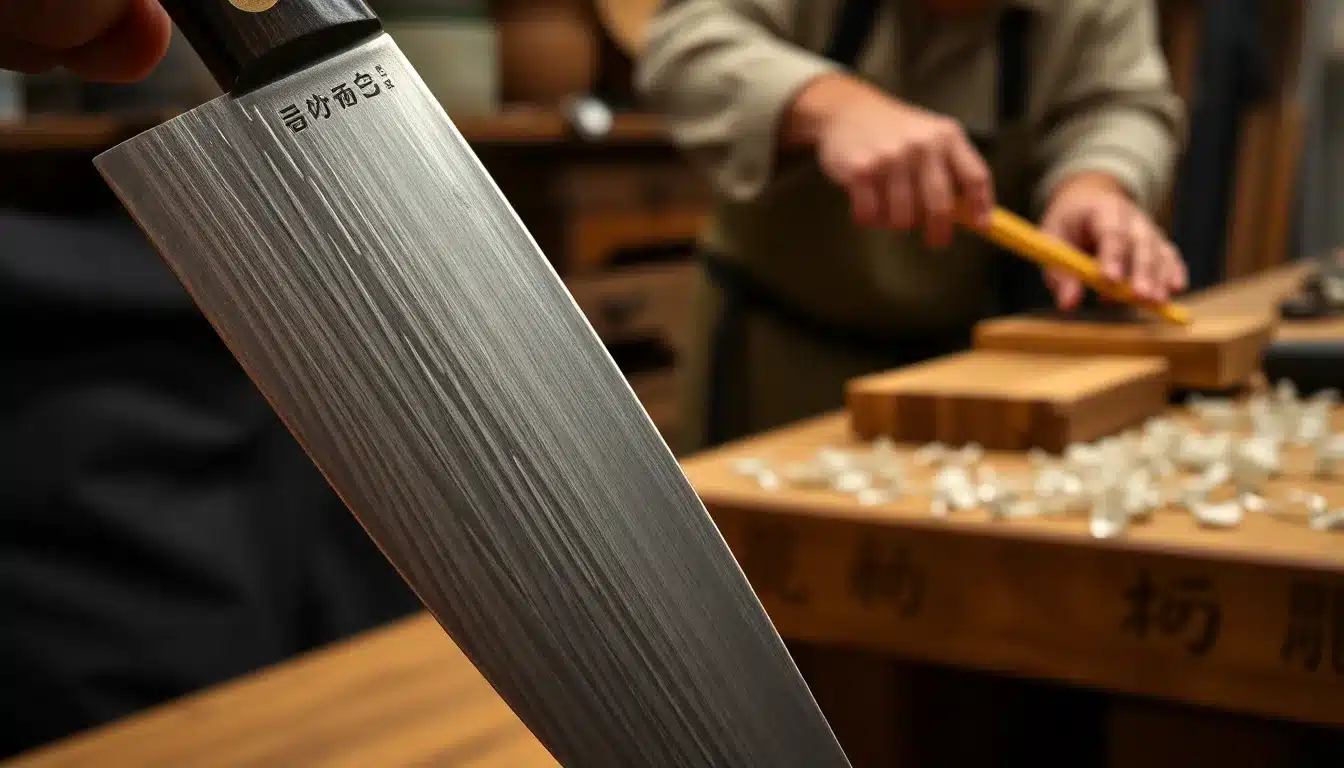
While DIY sharpening is rewarding, professional services offer peace of mind, especially for high-end knives. Williams Sonoma often partners with local experts or provides guidance on where to find reliable sharpening services. Enquiring in-store can yield valuable recommendations for preserving your blade’s integrity. Additionally, most premium Japanese knife brands sold at Williams Sonoma come with robust warranties against manufacturing defects. It’s crucial to understand these terms to ensure your investment is protected. Always keep your purchase receipt and documentation. 🤝
Williams Sonoma’s customer service can assist with warranty claims or questions regarding specific brand policies. This support is a significant advantage when purchasing from a reputable retailer. Don’t hesitate to reach out to them for any concerns about your knife’s performance or care. They are a reliable resource for navigating issues with your premium cutlery. Their commitment to customer satisfaction enhances the value of purchasing japanese knives williams sonoma has curated.
Beyond the Blade: The Advanced Engineering of Elite Japanese Knives
The allure of Japanese knives extends far beyond their visible beauty and sharpness; it lies deep within their advanced metallurgical engineering. Elite Japanese knives are the result of centuries of innovation, combining traditional techniques with modern scientific understanding. This section explores some of the cutting-edge processes that contribute to the superior performance of these culinary tools. From atomic structures to aesthetic patterns, every detail matters. 🔬
The Science of Cryogenic Tempering and Rockwell Hardness in High-End Japanese Steel
Cryogenic tempering is a crucial process for optimizing the performance of high-carbon steels used in Japanese knives. After heat treatment (hardening), blades are subjected to extremely cold temperatures (often below -100°C, using liquid nitrogen). This deep-cold treatment transforms retained austenite into martensite, a harder and more stable microstructure. The result is increased hardness, improved wear resistance, and reduced internal stress, leading to a tougher, more durable blade with better edge retention. This process enhances the steel’s molecular structure significantly.
Rockwell Hardness (HRC) is a measure of a material’s resistance to indentation, and it’s a key indicator of a knife’s performance. Most high-end Japanese knives boast HRC ratings between 60-65, significantly higher than typical Western knives (54-58 HRC). A higher HRC means the steel can hold a sharper edge for longer, though it also implies less flexibility and potentially more brittleness if not properly treated. The precise balance of hardness and toughness is a hallmark of superior Japanese knife engineering. 🔬
Decoding Damascus Patterns: Aesthetics Meets Performance
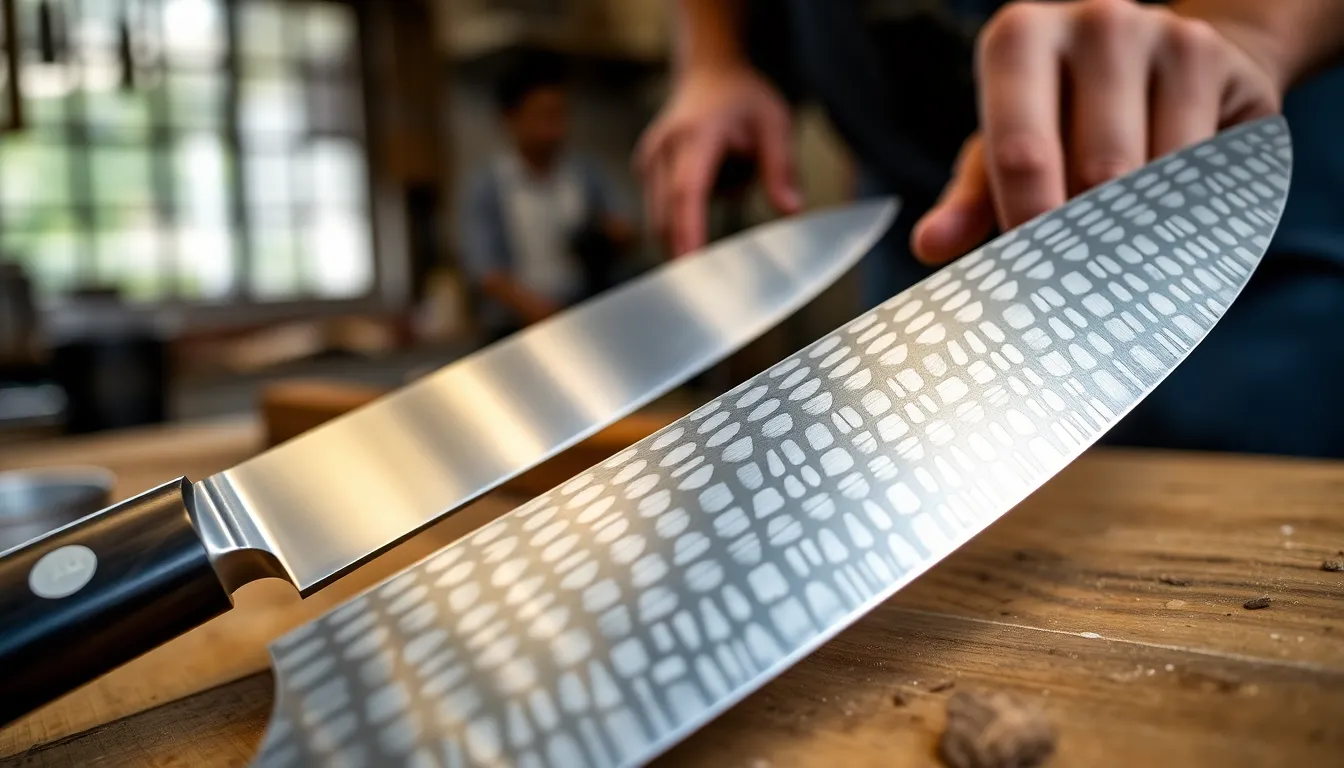
The visually stunning Damascus patterns found on many premium Japanese knives are not merely decorative. They are the result of forge-welding multiple layers of different steels, then folding and forging them repeatedly. This process creates distinct patterns and contributes to the blade’s performance. The layers typically consist of alternating hard and softer steels. The softer layers provide toughness and flexibility, while the hard core steel forms the cutting edge. This combination creates a blade that is both incredibly sharp and resilient. 💪
The varying layers help to reduce friction during cutting, and the subtle undulations in the blade surface can also assist in food release, preventing ingredients from sticking. While modern Damascus is created through controlled forging, it pays homage to ancient sword-making techniques. The visual appeal of these patterns makes each knife a unique work of art, revered by collectors and chefs alike. Discover more about this fascinating process in our Master Crafted Damascus Japanese Chef Knives guide.
Frequently Asked Questions About Japanese Knives at Williams Sonoma
Potential buyers often have specific questions when considering premium Japanese knives, especially when shopping at a trusted retailer like Williams Sonoma. Addressing these common queries helps clarify doubts and empowers customers to make confident choices. Here are some frequently asked questions and their concise answers. ❓
What Japanese knife brands does Williams Sonoma sell?
Williams Sonoma typically carries a curated selection of highly reputable Japanese knife brands. Their inventory often includes top names like Shun Cutlery, Miyabi, and Global. They occasionally feature other specialized Japanese brands or exclusive collections. It’s always a good idea to check their website or visit a store for the most current brand availability. Their selection focuses on quality and performance.
Are Miyabi knives good quality for their price at Williams Sonoma?
Yes, Miyabi knives are generally considered excellent quality and offer strong value at Williams Sonoma. They combine traditional Japanese craftsmanship with modern metallurgy, resulting in exceptional sharpness, edge retention, and beautiful aesthetics. While they are a premium investment, their performance, durability, and stunning finish justify the price for serious cooks. Many users consider them a lifetime purchase.
How do you properly care for Japanese knives bought from Williams Sonoma?
Proper care for Japanese knives involves hand-washing immediately after use with warm, soapy water and thoroughly drying them. Avoid dishwashers. Store them safely in a knife block, magnetic strip, or with blade guards to protect the edge. Regularly hone the blade with a fine ceramic rod, and sharpen periodically using a whetstone to maintain optimal sharpness. Consistent care is key to longevity.
What is the best type of Japanese knife for a home cook at Williams Sonoma?
For most home cooks, a versatile all-purpose knife like a Santoku or a Gyuto is often the best choice. These knives can handle a wide range of tasks from slicing vegetables to prepping meats. Consider your primary cooking style: if you prep many vegetables, a Nakiri might be a great addition. Williams Sonoma staff can help you find a knife that aligns with your specific needs.
Does Williams Sonoma offer sharpening services for their Japanese knives?
Williams Sonoma typically does not offer in-house sharpening services for knives directly. However, their knowledgeable staff can often provide recommendations for reputable local professional sharpening services. They also carry a range of high-quality sharpening tools, such as whetstones and honing rods, for customers who prefer to maintain their knives at home. Always inquire about their current services and recommendations in-store.
Real-World Performance: Success Stories with Williams Sonoma’s Japanese Knives
The true measure of a premium Japanese knife lies in its performance in the kitchen. For chefs and home cooks alike, the right blade can transform the culinary experience, turning mundane tasks into moments of precision and joy. These anecdotal success stories highlight the impact of acquiring high-quality japanese knives williams sonoma offers, showcasing their durability and ability to elevate cooking. These examples illustrate the tangible benefits users experience daily. 🧑🍳
Elevating Culinary Creations: A Chef’s Experience with Shun Premier
Chef Marcus, a seasoned culinary professional with a bustling restaurant in Seattle, needed a new set of reliable workhorses. After consulting with the experts at Williams Sonoma, he invested in a full set of Shun Premier knives. “The difference was immediately apparent,” he recounts. “The Tsuchime finish on the Premier line genuinely helps with food release, making slicing delicate ingredients like sashimi or finely dicing herbs incredibly efficient. The edge retention is phenomenal, keeping me sharp through long shifts without constant honing. My team noticed the speed and precision instantly. Shun Premier knives truly are an extension of my hand.” His kitchen now boasts enhanced efficiency and precision. 🌟
From Home Kitchen to Masterpiece: The Durability of Miyabi Kaizen Knives
Sarah, an avid home baker and passionate cook, sought to upgrade her dull, mass-produced knives. She visited Williams Sonoma and was drawn to the beautiful Damascus patterns of Miyabi Kaizen. “I was initially intimidated by the price, but the staff assured me of their quality,” Sarah explains. “I bought the Miyabi Kaizen Santoku, and it changed everything. Slicing through tomatoes without crushing them, finely mincing garlic, even preparing delicate fish – it’s effortless. What truly surprised me was its durability. Despite frequent use, and with proper care, it holds its edge beautifully. It’s not just a knife; it’s an heirloom that makes every meal preparation a joy, proving the value of premium japanese knives williams sonoma provides.” Her culinary skills have noticeably improved with this singular upgrade. 🏆
Your Journey to the Perfect Japanese Knives at Williams Sonoma
Embarking on the quest for the ideal Japanese knife is an exciting step for any culinary enthusiast. Williams Sonoma provides an excellent gateway to this world of precision and artistry, offering a carefully curated selection of the finest brands. By understanding the types of knives, steel compositions, and the unique characteristics of brands like Shun, Miyabi, and Global, you are well-equipped to make an informed decision. Remember that a premium knife is an investment that, with proper care, will serve you for many years, transforming your cooking experience. This journey is about more than just purchasing a tool; it’s about acquiring a piece of culinary heritage.
Key Takeaways for Making an Informed Purchase
To ensure you choose the perfect japanese knives williams sonoma has to offer, keep these key points in mind:
- Research Brands: Familiarize yourself with Shun, Miyabi, Global, and other available brands to match their philosophy with your needs.
- Understand Knife Types: Determine if a Santoku, Gyuto, Nakiri, or a specialized knife best suits your primary cooking tasks.
- Consider Steel and Handle: Evaluate steel types (VG-10, SG2, high carbon) for performance and maintenance, and choose a handle that feels comfortable and secure in your hand.
- Prioritize Care: Be prepared to commit to hand-washing, thorough drying, and proper sharpening to maintain your knife’s longevity and performance.
- Leverage Williams Sonoma Expertise: Utilize the knowledgeable staff and their product insights to guide your decision-making process.
Making a thoughtful choice will lead to years of satisfaction in your kitchen. Your future culinary creations will thank you for this precision investment.
Discover Your Next Masterpiece: Explore Williams Sonoma’s Collection Today
The world of Japanese knives is rich with history, innovation, and unparalleled craftsmanship. Whether you are a professional chef or a passionate home cook, a premium Japanese knife can significantly enhance your culinary journey. Williams Sonoma stands as a reliable partner in this exploration, providing access to exceptional blades and expert guidance. Take the next step in elevating your kitchen tools. Your perfect japanese knives williams sonoma experience awaits. Don’t just cook; create masterpieces with precision and passion. ✨
🔪 Discover Premium Japanese Knives at JapaneseKnivesWorld
At JapaneseKnivesWorld, we are passionate about authentic Japanese cutlery, helping chefs and cooking enthusiasts discover the finest knives from Japan’s master craftsmen.
⚔️ Curated selection of premium Japanese knives from legendary makers
🗾 Expert guides on Japanese steel types and craftsmanship techniques
📚 Comprehensive reviews and comparisons of top knife brands
🎯 Professional advice for choosing your perfect Japanese knife
Ready to find your perfect Japanese knife?
🔗 Explore our complete buying guides and expert recommendations at JapaneseKnivesWorld.com
Follow us for daily knife insights:
🌐 Website
Japanese Knives World
Expert reviews, buying guides and craftsmanship stories about Japanese kitchen knives.
Talk to the teamRelated articles
The Definitive 2025 Japanese Chef Knives Reviews: A Professional Evaluation of Performance and Craftsmanship
Navigating the world of high-end cutlery requires a deep understanding of metallurgy, ergonomics, and traditional craftsmanship. In this definitive guide to japanese chef knives reviews, we evaluate the top-tier blades that are defining the culinary landscape in 2025. Whether you are a professional executive chef or a dedicated home cook, selecting the right Japanese blade […]
Zwilling Japanese Knives: The Ultimate Professional Evaluation for 2025
Welcome to the definitive guide for discerning chefs and culinary enthusiasts exploring the exceptional world of zwilling japanese knives. This comprehensive evaluation for 2025 delves into how these meticulously crafted tools, primarily under the esteemed Miyabi brand, fuse German engineering precision with ancient Japanese blade artistry. Discover why these premium knives are not just instruments, […]
Unveiling the Ultimate Japanese Chefs Knives Review: Expert Insights for 2025
Welcome to the definitive guide on the finest Japanese culinary tools. This comprehensive japanese chefs knives review dives deep into the world of precision craftsmanship, unparalleled sharpness, and ergonomic design that sets Japanese knives apart. Choosing the right chef knife can profoundly transform your cooking, making every slice, dice, and chop a true pleasure. We […]