
The Definitive Guide to Japanese Cleaver Knives: Unlocking Master-Crafted Precision for Every Chef
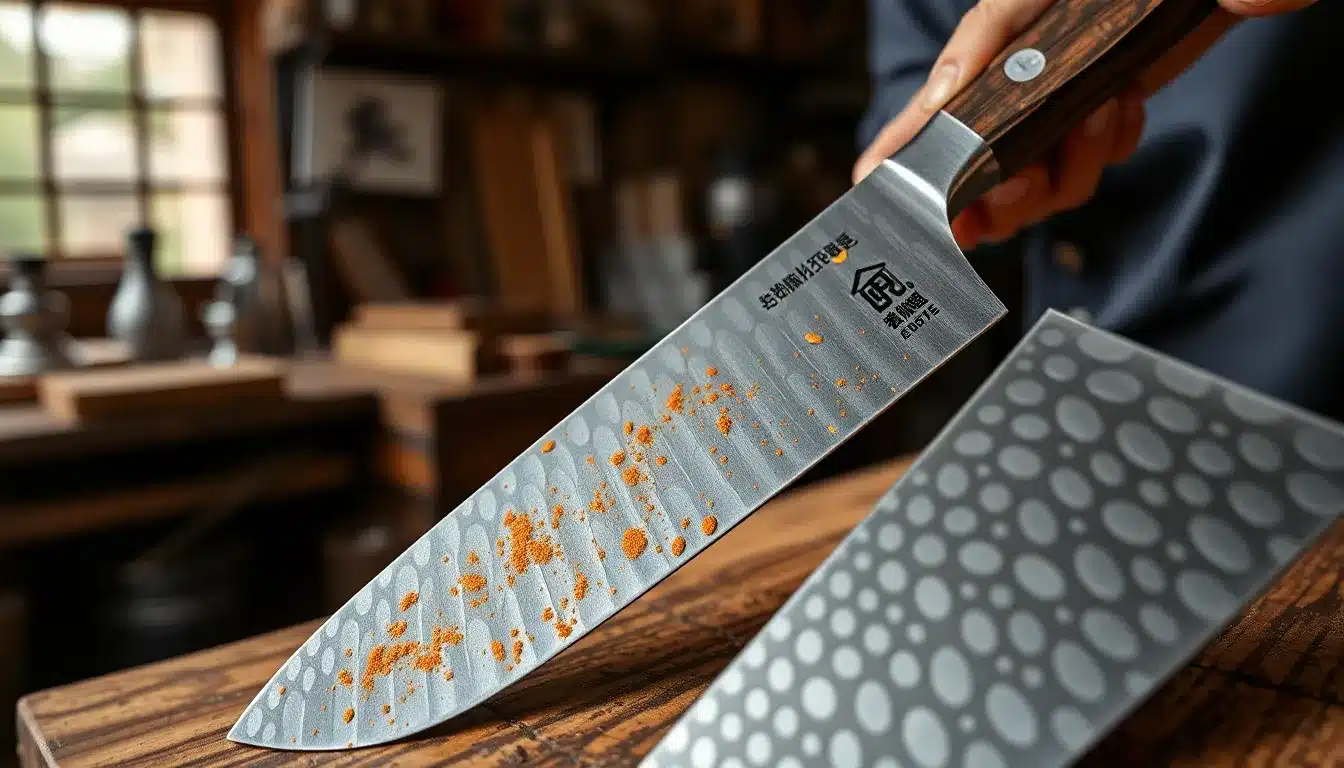
Welcome to the ultimate guide for deciphering the world of japanese cleaver knives. These aren’t just tools; they are extensions of a chef’s hand, embodying centuries of meticulous craftsmanship. Mastering their use can dramatically elevate your culinary precision and enjoyment in the kitchen. 🔥
Whether you’re a seasoned professional or a passionate home cook, understanding the nuances of these exceptional blades is crucial. This comprehensive resource will guide you through everything from distinct knife types to advanced maintenance, ensuring you choose and cherish the perfect Japanese cleaver for your needs. Get ready to unlock unparalleled cutting performance. 🎯
📋 Table of Contents
- 📌 Demystifying Japanese Cleaver Knives: Your Essential Introduction
- 📌 Nakiri vs. Deba: The True Japanese Cleaver Knives Unveiled
- 📌 The Art of the Edge: Steel, Forging, and Craftsmanship in Japanese Cleaver Knives
- 📌 Choosing Your Perfect Japanese Cleaver Knife: A Buyer’s Expert Guide
- 📌 Mastering Maintenance: Caring for Your Japanese Cleaver Knife Investment
- 📌 Top-Tier Japanese Cleaver Knives: Our Expert Recommendations for 2025
- 📌 Beyond the Blade: Advanced Metallurgy and Regional Styles of Japanese Cleaver Knives
- 📌 Frequently Asked Questions About Japanese Cleaver Knives
- 📌 Essential Tools and Resources for Japanese Cleaver Knife Enthusiasts
- 📌 Real-World Precision: Success Stories with Japanese Cleaver Knives
- 📌 Embracing the Legacy of Japanese Cleaver Knives in Your Kitchen
Demystifying Japanese Cleaver Knives: Your Essential Introduction
Japanese cutlery has a revered place in global cuisine, known for its exceptional sharpness and unique designs. When we talk about japanese cleaver knives, we’re not referring to the heavy, bone-chopping Western cleavers you might envision. Instead, Japanese cleavers like the Nakiri and Deba represent precision, finesse, and specialized tasks. These blades are crafted with a singular purpose in mind.
This introductory section will clarify exactly what these tools are and why they’ve become indispensable in professional and home kitchens worldwide. You’ll quickly see why their reputation for precision cutting is so well-deserved. Understanding their core design principles is key to appreciating their functionality. ✅
What are Japanese Cleaver Knives? Understanding Their Unique Role
In the realm of traditional Japanese knives, the term “cleaver” most commonly refers to two distinct types: the Nakiri and the Deba. Both feature a somewhat ‘cleaver-like’ profile but are designed for entirely different purposes than their Western counterparts. They are meticulously crafted for specific culinary tasks, focusing on clean cuts and precise food preparation.
The Nakiri, with its flat profile and thin blade, is optimized for vegetable preparation. The Deba, thicker and robust, excels at fish butchery. Neither is intended for chopping through thick bones, a common misconception. Their unique geometry and edge retention set them apart from other kitchen knives. 🔪
Why Japanese Cleaver Knives are Indispensable in Modern Kitchens
Modern kitchens demand efficiency, precision, and the ability to handle diverse ingredients with ease. Japanese cleaver knives, especially the Nakiri, offer unparalleled control for vegetable slicing and dicing, producing perfectly uniform cuts that enhance both presentation and cooking consistency. Chefs appreciate the speed and accuracy they bring to prep work.
For those who frequently prepare fish, a Deba knife is truly indispensable. Its heft and acute edge geometry allow for clean head removal, deboning, and filleting with minimal waste. These knives empower cooks to perform tasks traditionally reserved for professionals, elevating the home cooking experience to a new level of artistry. 💡
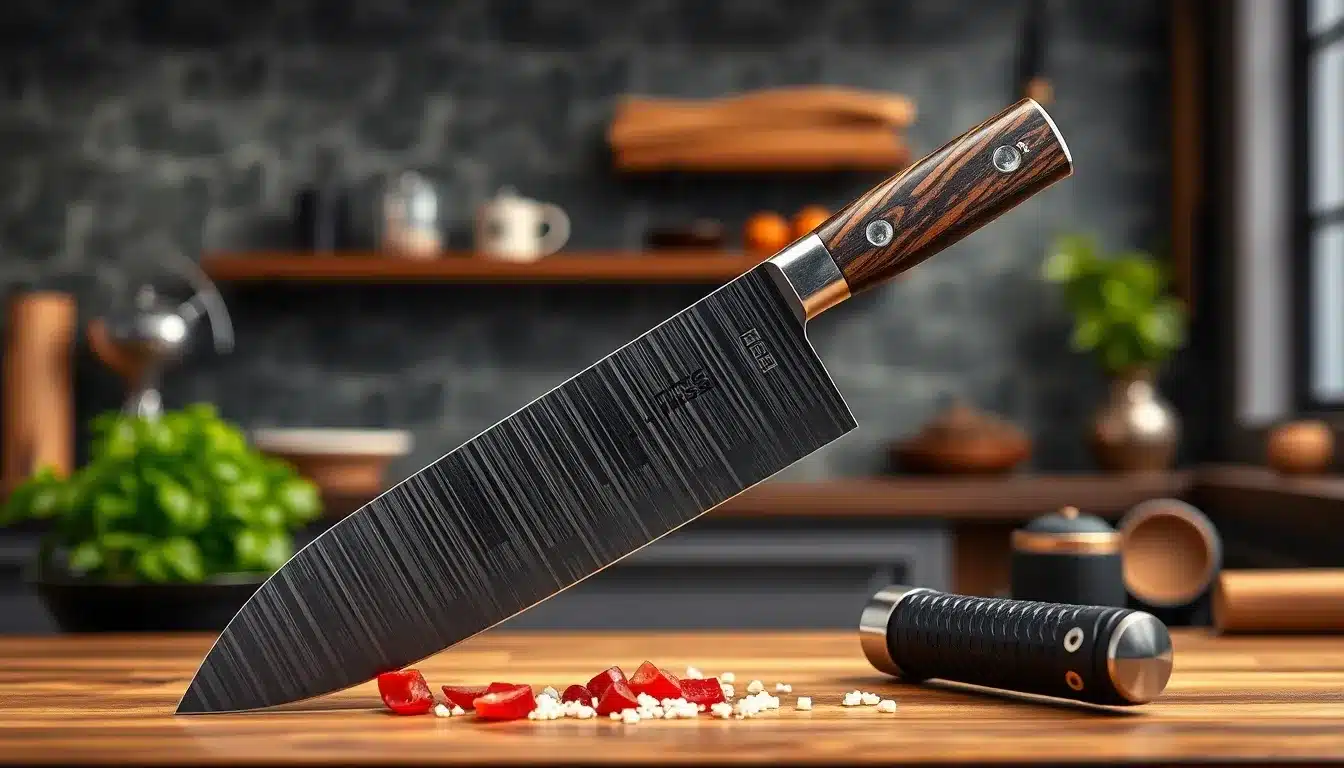
Nakiri vs. Deba: The True Japanese Cleaver Knives Unveiled
When most people think of a “Japanese cleaver,” their minds often jump to heavy-duty, bone-crushing tools. However, the truth is far more nuanced and elegant in Japanese culinary tradition. The genuine Japanese cleaver family primarily consists of two distinct and highly specialized knives: the Nakiri and the Deba. They are designed for precision, not brute force.
This section delves into the specific characteristics and intended uses of these two iconic blades. Understanding their differences is fundamental to appreciating the sophistication of Japanese knife design. It’s about matching the right tool to the right task for optimal results. Let’s explore their unique roles in the kitchen. 🥕🐟
The Nakiri Knife: Mastering Vegetable Preparation and Aesthetics
The Nakiri knife is a vegetable preparation specialist, easily identifiable by its straight blade profile and blunt, square tip. Its design allows for full contact with the cutting board across the entire length of the blade, ensuring exceptionally clean and consistent cuts. This is vital for tasks like finely dicing onions or julienning carrots.
With its thin blade and typically double-bevel edge, the Nakiri glides through vegetables with minimal effort, preventing them from sticking. It’s perfect for achieving uniform slices for stir-fries, vibrant salads, and intricate garnishes. For more detailed insights into this vegetable marvel, check out our Ultimate Guide to Japanese Nakiri Knives. The precision it offers is truly unmatched. ✅
The Deba Knife: Precision Butchery and Fish Filleting Expertise
The Deba knife is a robust, single-beveled blade specifically engineered for butchering fish and poultry. Its thick spine and substantial weight provide the necessary power and stability for breaking down whole fish, from cleanly removing heads and deboning to filleting delicate flesh. It’s an essential tool for any serious seafood enthusiast.
While formidable, the Deba’s acute, razor-sharp edge allows for incredible precision, making quick work of even tough skin and cartilage. It’s designed for controlled power rather than hacking, preserving the integrity of the fish. For those looking to master fish preparation, exploring our guide on Mastering fish preparation using Japanese fillet knives can offer further insights into this crucial technique. 🎯
Dispelling the Myth: Japanese Cleavers vs. Western Heavy-Duty Cleavers
It’s a common misconception that japanese cleaver knives are designed for chopping bones, similar to their heavy-duty Western counterparts. This is fundamentally incorrect. Traditional Japanese cleaver forms like the Nakiri and Deba are engineered for precise cutting, not for brute force against hard materials. A Western cleaver typically has a much thicker, heavier blade and a wider bevel angle, built to withstand impact on bones.
Japanese blades, with their harder steel and thinner, sharper edges, would be severely damaged if used for bone-chopping. They represent a philosophy of controlled cuts and specialized function, contrasting sharply with the robust, all-purpose design of a Western butcher’s cleaver. Understanding this distinction is vital for proper knife use and longevity. 💡
The Art of the Edge: Steel, Forging, and Craftsmanship in Japanese Cleaver Knives
The soul of any Japanese knife lies in its edge, which is a direct reflection of the steel used and the artisan’s forging expertise. Japanese cleaver knives are renowned for their incredible sharpness and edge retention, qualities derived from centuries of metallurgical innovation and traditional craftsmanship. This isn’t just about cutting; it’s about the science and art behind every slice.
This section explores the crucial elements that contribute to the superior performance of these blades. From the specific types of high-carbon steel favored in Japan to the intricate forging techniques passed down through generations, you’ll gain a deeper appreciation for what makes these knives truly special. Prepare to understand the hidden strength within these blades. 💪
Decoding Japanese Knife Steel: VG-10, Blue Steel, White Steel, and SG2 Properties
Japanese knife makers utilize a variety of high-performance steels, each offering distinct characteristics in terms of hardness, edge retention, and ease of sharpening. VG-10 is a popular stainless steel known for its excellent edge retention and corrosion resistance, making it a favorite for many professional chefs. It strikes a great balance for daily use.
Blue Steel (Aogami) and White Steel (Shirogami), produced by Hitachi Metals, are high-carbon steels revered for their extreme sharpness and ability to take a very fine edge. White Steel is purer, offering incredible sharpness but less toughness, while Blue Steel adds chromium and tungsten for improved wear resistance. SG2 (Super Gold 2) is a powder metallurgical steel, offering exceptional hardness, wear resistance, and edge retention, representing the pinnacle of modern knife steel technology for ultimate performance. According to experts at Serious Eats, SG2 often leads in their testing for overall durability and prolonged sharpness. ⚔️
Traditional Japanese Forging Techniques: Honyaki vs. Kasumi Construction
The construction method significantly impacts a Japanese knife’s performance and aesthetics. Honyaki knives represent the purest form of traditional Japanese forging, made from a single piece of high-carbon steel that is differentially hardened. This process creates an incredibly hard edge and a tougher spine, but makes them challenging to forge and consequently very expensive and delicate.
Kasumi construction, meaning “mist,” involves forging a core of hard carbon steel (like Blue or White Steel) with softer iron cladding. This creates a blade that is easier to sharpen, more flexible, and less prone to chipping than Honyaki. The soft cladding also creates the beautiful “hada” or layered patterns often seen on traditional blades. Most high-quality japanese cleaver knives, including many Nakiri and Deba, utilize Kasumi construction for a balance of performance and durability. This technique is often seen in masterpieces from brands like Shun.
Handle Materials and Ergonomics: Ensuring Comfort and Control
A knife’s handle is just as crucial as its blade for overall performance and user experience. Traditional Japanese handles, often octagonal or D-shaped, are typically made from materials like magnolia wood or rosewood. These materials are lightweight and offer a secure grip, designed to be comfortable for extended periods of use. The weight distribution in a Japanese knife often favors the blade.
Modern Japanese knives, especially those from Western-influenced brands like Shun, may feature composite materials (e.g., Pakkawood) or resin-stabilized wood. These offer enhanced durability, water resistance, and ergonomic shapes that cater to a broader range of hand sizes and grips. Ultimately, the best handle provides excellent balance and prevents fatigue, allowing for superior control during intricate cutting tasks. ✨
Choosing Your Perfect Japanese Cleaver Knife: A Buyer’s Expert Guide
Selecting the right japanese cleaver knife is a deeply personal decision, influenced by your culinary habits, preferred ingredients, and budget. With so many options available, navigating the market can seem daunting. This guide will equip you with the knowledge needed to make an informed choice that perfectly matches your cooking style.
Understanding the key factors—from your primary culinary focus to blade geometry and investment level—will ensure you bring home a knife that truly becomes an extension of your craft. Think of this as your personalized roadmap to finding the ideal Japanese cleaver. Let’s make sure your next knife acquisition is a perfect one. 💡
Matching Your Knife to Your Culinary Needs: Vegetables, Fish, or Both?
The first step in choosing a Japanese cleaver is to honestly assess your primary culinary activities. If your kitchen adventures revolve around plant-based dishes, frequent vegetable prep, and a desire for immaculate cuts, a Nakiri knife is your undeniable champion. Its flat blade makes short work of precise slicing and dicing. For more in-depth knowledge, consider reading our Japanese Knives Nakiri Masterclass Guide.
Conversely, if you’re a seafood aficionado who enjoys breaking down whole fish, from delicate filleting to more robust cuts, the Deba knife is an absolute must-have. Its robust single-bevel design is specifically tailored for these demanding tasks. While some cooks might consider a “hybrid” utility knife, for true specialized performance, choosing either a Nakiri or Deba based on your dominant need is always recommended. If you prepare both frequently, owning both is the ideal solution. 🎯
Understanding Blade Geometry: Single Bevel vs. Double Bevel for Optimal Performance
Blade geometry is a critical factor influencing how a Japanese knife performs. Single bevel knives, like most Deba, have an edge ground on only one side of the blade. This design creates an incredibly sharp, acute angle, allowing for extremely precise cuts and the ability to separate ingredients cleanly, especially for delicate tasks like filleting fish. It’s often associated with right-handed use unless specifically ground for left-handed chefs.
Double bevel knives, like the Nakiri, have an edge ground on both sides, similar to most Western knives. This makes them ambidextrous and generally easier to use for a wider range of cutting motions. Their symmetry provides stability and balance, making them excellent for straight cuts through vegetables. Understanding this distinction is key to optimizing your cutting technique and achieving peak performance. ⚔️
| Feature | Nakiri Knife | Deba Knife |
|---|---|---|
| Primary Use | Vegetable preparation (slicing, dicing) | Fish butchery (filleting, deboning, head removal) |
| Blade Profile | Straight edge, blunt square tip | Thick spine, robust, pointed tip |
| Edge Bevel | Double-bevel (symmetrical) | Single-bevel (asymmetrical) |
| Blade Thickness | Thin, for minimal food sticking | Thick and heavy, for leverage |
| Learning Curve | Relatively low for most users | Higher, requires specific technique |
Budget vs. Investment: What to Expect from Premium Japanese Cleavers
The price of japanese cleaver knives can vary significantly, ranging from entry-level options around $50-$100 to premium, hand-forged pieces exceeding $500. It’s crucial to view a quality Japanese knife not merely as an expense, but as a long-term investment in your culinary passion and efficiency. Higher prices often reflect superior steel, intricate forging, and master craftsmanship.
Entry-level knives can be excellent for beginners, offering a taste of Japanese precision without a huge commitment. Mid-range options ($150-$300) often provide an excellent balance of quality steel and craftsmanship. Premium knives, crafted by renowned artisans using top-tier materials like Blue Steel #1 or SG2, deliver unparalleled performance and longevity, often lasting a lifetime with proper care. Consider your dedication to cooking and the joy a superior tool brings. 💰
Mastering Maintenance: Caring for Your Japanese Cleaver Knife Investment
A high-quality japanese cleaver knife is a significant investment, and like any fine tool, it requires proper care and maintenance to preserve its legendary sharpness and extend its lifespan. Neglecting your knife can quickly dull its edge, lead to rust, and compromise its performance. This section will guide you through the essential steps for keeping your blade in pristine condition.
Embracing a routine of careful cleaning, appropriate storage, and regular sharpening isn’t just a chore; it’s a ritual that connects you more deeply with your culinary tools. Proper care ensures your Japanese cleaver remains a joy to use for many years to come. Let’s explore the secrets to maintaining your investment. ✨
The Zen of Sharpening: Whetstones and Proper Edge Care for Japanese Knives
Sharpening a Japanese knife is an art form that yields an incredibly keen edge. Traditional Japanese knives are best sharpened on whetstones (water stones), which gently abrade the steel to create a razor-sharp finish. Different grit levels are used, from coarse stones for repairing chips to fine stones for polishing the edge. It’s a meditative and rewarding process.
For single-bevel knives like the Deba, understanding the primary and ura-oshi (back-bevel) sharpening techniques is crucial. Double-bevel Nakiri knives are sharpened similarly to Western knives but require a finer touch due to their harder steel. Proper technique, maintaining a consistent angle, is paramount. For optimal results, consult our guide on Japanese Knives Nakiri Masterclass Guide for detailed sharpening instructions. Regular honing with a ceramic rod can also extend the time between full sharpening sessions. 💎
Cleaning, Storage, and Rust Prevention: Preserving Your Blade’s Longevity
After each use, immediately clean your japanese cleaver knife with warm water and a soft cloth, then dry it thoroughly. Never put a Japanese knife in a dishwasher, as harsh detergents and high temperatures can damage the blade and handle. Carbon steel knives, especially, are prone to rust and must be dried meticulously.
For storage, a knife block, magnetic strip, or blade guard (saya) is ideal to protect the delicate edge from nicks and prevent accidents. For carbon steel blades, applying a thin layer of food-grade mineral oil before storage can further protect against corrosion. This simple routine drastically extends the life and performance of your precious culinary tool. Proper care is a testament to your respect for the craft. ✅
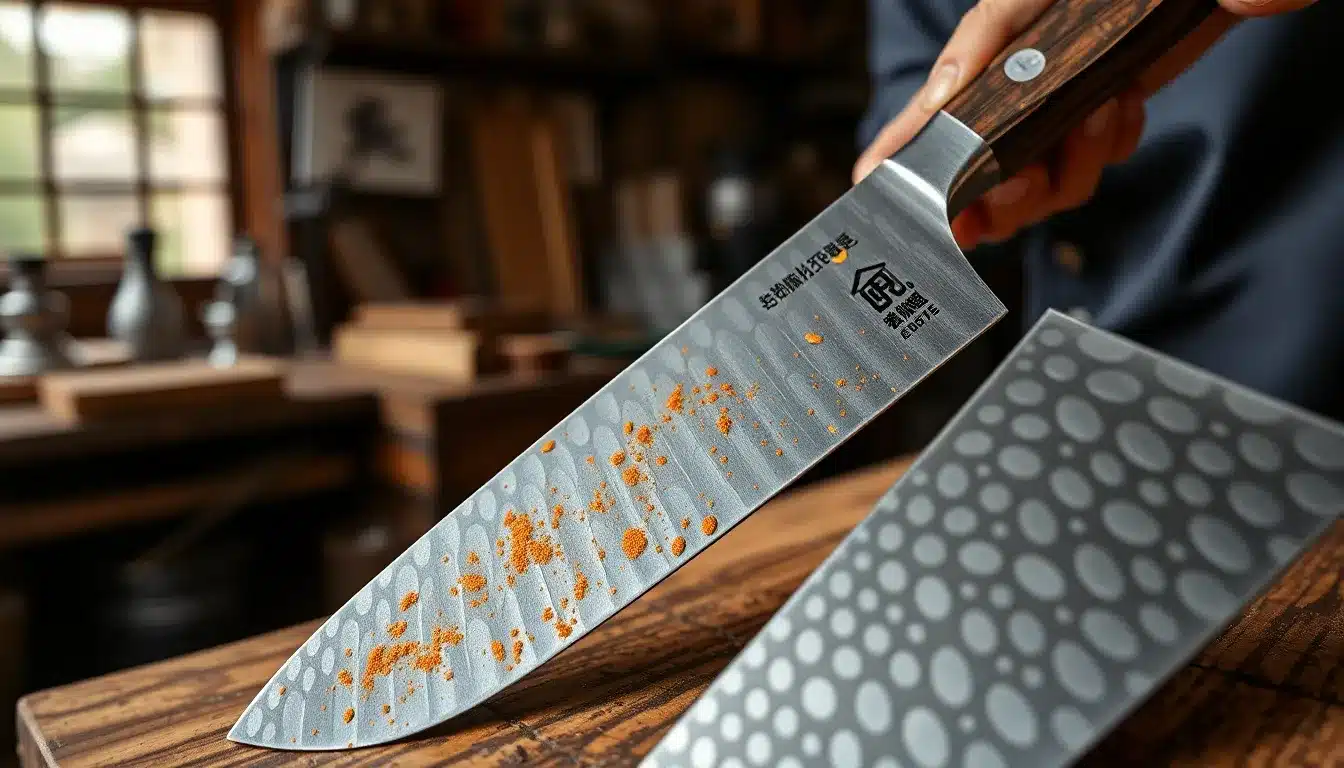
Top-Tier Japanese Cleaver Knives: Our Expert Recommendations for 2025
Navigating the vast landscape of Japanese knife brands and models can be overwhelming, especially when seeking the best of the best. Our team of culinary experts has meticulously researched and evaluated numerous japanese cleaver knives to bring you our top recommendations for 2025. These selections balance exceptional craftsmanship, performance, and value.
Whether you’re looking to elevate your vegetable prep or become a master of fish butchery, our recommendations are designed to guide you towards a blade that will exceed your expectations. We consider factors like steel quality, edge retention, handle comfort, and overall balance. Invest wisely in a tool that will inspire your cooking. 🏆
Best Nakiri Knives for Unrivaled Vegetable Prep and Performance
For those dedicated to vegetable preparation, a top-tier Nakiri knife is a game-changer. Our top pick for 2025 is the Shun Classic Nakiri. It features a VG-10 “super steel” core clad with 34 layers of Damascus stainless steel, offering exceptional sharpness, edge retention, and a beautiful aesthetic. The Pakkawood handle provides comfort and durability. Many professional evaluations, including those from Shun Japanese Kitchen Knives Professional Evaluation, consistently rate Shun highly.
Another excellent choice is the Tojiro DP F-894 Nakiri, known for its outstanding value and VG-10 steel construction. It provides professional-level performance at a more accessible price point. For those seeking a truly artisanal experience, a hand-forged White Steel Nakiri from a renowned smith like Yoshimi Kato or Yu Kurosaki delivers unparalleled sharpness, albeit with higher maintenance. These knives transform everyday vegetable tasks into a truly enjoyable experience. 🥕
Finest Deba Knives for Professional-Grade Fish Butchery and Precision
When it comes to breaking down fish with precision and authority, a premium Deba knife is essential. The Miyabi Birchwood SG2 Deba stands out for its exquisite craftsmanship, SG2 powder steel core, and exceptional edge retention. Its robust build and razor-sharp single-bevel edge make it ideal for delicate filleting and tougher cuts. This knife embodies both beauty and power.
For a more traditional and equally impressive option, consider a Yoshihiro Aoko Suminagashi Blue Steel Deba. Crafted from Blue Steel #2, known for its superior sharpness, and clad in Damascus, this knife offers incredible performance and a connection to ancient forging techniques. As highlighted by the Culinary Institute of America, a well-balanced Deba is fundamental for any aspiring fishmonger or chef. These selections provide the leverage and precision needed to transform any fish preparation task into an art form. 🐟
Beyond the Blade: Advanced Metallurgy and Regional Styles of Japanese Cleaver Knives
To truly appreciate the depth and complexity of japanese cleaver knives, one must look beyond the surface. This advanced section delves into the intricate science of metallurgy that underpins their incredible performance, as well as the unique regional traditions that have shaped their design and function. It’s a journey into the very DNA of these masterful tools. 🧬
From the microscopic structures within steel to the distinct variations between Kanto and Kansai styles, understanding these deeper aspects reveals the artistry and scientific rigor embedded in every blade. This knowledge separates the enthusiast from the true connoisseur. Prepare for a deep dive into the heart of Japanese knife making. 🔬
The Micro-Structures of Japanese Knife Steels: A Deep Dive into Hardness and Edge Retention
The superior performance of Japanese knife steels is largely due to their refined micro-structures, specifically the distribution and size of carbides within the steel matrix. Steels like VG-10, Blue Steel, and especially SG2, are engineered to achieve high carbon content which, when combined with specific alloying elements, forms very hard carbides. These carbides are what resist wear and maintain a sharp edge.
The forging and heat treatment processes are crucial for controlling the carbide network. Precise heat treatment optimizes the balance between hardness (which contributes to edge retention) and toughness (resistance to chipping). Advanced techniques, often influenced by traditional sword-making, result in a much finer grain structure than many Western steels, leading to superior sharpness and cutting performance. This microscopic precision is a hallmark of Japanese craftsmanship. ✨
Regional Crafting Nuances: Kanto vs. Kansai Nakiri and Sakai Deba Traditions
Just as culinary traditions vary across Japan, so too do knife crafting styles, particularly for regional specialties like the Nakiri. The Kanto (Tokyo area) style Nakiri typically features a blunt, straight tip and a flatter edge profile, ideal for push-cutting vegetables. The Kansai (Osaka area) style, sometimes called Kamagata Nakiri, has a pointed or rounded tip, adding versatility for detail work. These subtle differences cater to regional cooking preferences.
Sakai, a city near Osaka, is particularly renowned for its single-bevel knives, including the Deba. Sakai Debas are famous for their exceptional grind and acute edges, a testament to centuries of specialized blacksmithing traditions. Bladesmiths in Sakai often specialize in a single knife type, perfecting their craft over generations. This regional focus ensures consistent quality and unparalleled expertise in specific blade forms. 🗾
The Science of Thinness: How Blade Geometry Influences Cutting Performance
The remarkable cutting ability of japanese cleaver knives is heavily reliant on their thin blade geometry, often referred to as “grind.” Unlike many Western knives which are thicker from spine to edge, Japanese blades typically taper very finely, allowing them to glide through food with minimal resistance. This reduces friction, making cuts feel effortless and preserving the integrity of ingredients. A common problem is sticking food, but thinness helps reduce this issue.
The specific grind (e.g., convex, concave, or flat) influences how the blade interacts with food, dictating its ability to slice cleanly or separate ingredients effectively. For instance, a very thin, slightly convex grind can slice vegetables with incredible ease, making the Nakiri exceptionally efficient. This meticulous attention to blade thickness and profile is a cornerstone of Japanese knife design philosophy, prioritizing precision over brute force. 📏
Frequently Asked Questions About Japanese Cleaver Knives
We’ve gathered and answered some of the most common questions about japanese cleaver knives to provide quick, clear insights. These answers will help clarify any lingering doubts and reinforce your understanding of these unique culinary tools. We want to ensure you feel confident and informed. ❓
What is a Japanese cleaver knife, and how is it different from a Western cleaver?
A Japanese cleaver knife typically refers to specialized blades like the Nakiri for vegetables or the Deba for fish. Unlike heavy Western cleavers designed for chopping bones, Japanese cleavers are engineered for precision slicing, dicing, and filleting. They feature harder steel, thinner blades, and a much sharper, more acute edge geometry, prioritizing clean cuts over brute force.
What are the primary uses for a Nakiri knife and a Deba knife?
The Nakiri knife is primarily used for all forms of vegetable preparation, including slicing, dicing, mincing, and julienning, thanks to its flat blade that makes full contact with the cutting board. The Deba knife is specifically designed for butchering fish, excelling at tasks like removing heads, deboning, and filleting with its robust build and single-bevel edge.
Can Japanese cleaver knives cut through bone or frozen food?
No, japanese cleaver knives are generally not designed for cutting through bone or frozen food. Their hard, thin blades and acute edges are prone to chipping or breaking under such stress. Using them for these purposes will likely damage the blade. For bones, a dedicated Western-style bone cleaver is recommended; for frozen food, a serrated knife or thawing is best.
What type of steel is best for Japanese cleaver knives in terms of sharpness and durability?
There isn’t a single “best” steel, as it depends on preference for sharpness versus maintenance. High-carbon steels like White Steel and Blue Steel offer unparalleled sharpness and edge retention but require more diligent care to prevent rust. Stainless options like VG-10 and SG2 provide excellent sharpness with greater corrosion resistance, balancing performance with ease of maintenance. SG2 often offers the best of both worlds.
How do I properly sharpen and maintain a Japanese cleaver knife to prolong its life?
Proper sharpening involves using whetstones to maintain the blade’s acute edge, following specific techniques for single or double bevels. Maintenance includes immediately hand-washing and thoroughly drying the knife after each use. Store it safely in a block or with a blade guard to protect the edge. For carbon steel, apply a thin layer of mineral oil to prevent rust. Avoid dishwashers entirely.
Essential Tools and Resources for Japanese Cleaver Knife Enthusiasts
Embarking on the journey with japanese cleaver knives is an exciting culinary adventure, and having the right supplementary tools and knowledge can significantly enhance your experience. Beyond the knife itself, a few key accessories and educational resources are indispensable for any serious enthusiast. These elements complete the picture of proper knife ownership. 🛠️📚
From maintaining that razor-sharp edge to deepening your understanding of Japanese craftsmanship, these recommendations will support your passion and ensure your knives remain in peak condition. Equip yourself with the best to get the best out of your blades. Let’s look at what you need to succeed. ✅
Recommended Sharpening Stones and Honing Steels for Optimal Edge Care
For Japanese knives, a set of high-quality Japanese whetstones is essential. We recommend starting with a combination of grits: a medium-grit stone (1000-2000) for general sharpening and edge refinement, and a fine-grit stone (4000-6000) for polishing and achieving a razor-sharp finish. Brands like Naniwa or King are highly regarded for their consistency and performance.
While whetstones are paramount, a ceramic honing rod can be a valuable tool for maintaining your edge between sharpening sessions. It gently realigns the microscopic edge without removing significant material. Avoid steel honing rods, as they are often too aggressive for the harder steel of Japanese knives. Proper sharpening is key to preserving the life of your blade. For more information on sharpening your tools, consider our comprehensive guide to Elite Local Source for Japanese Knives which can also offer local expertise and workshops.
Further Reading and Educational Videos on Japanese Knife Craftsmanship
To truly immerse yourself in the world of Japanese knives, we highly recommend delving into further resources. Books such as “The Japanese Knife” by Jonas Karlsson offer deep insights into history, types, and maintenance. Many authoritative knife retailers and culinary schools also publish extensive guides and articles.
For visual learners, YouTube channels dedicated to Japanese knife sharpening and craftsmanship provide invaluable tutorials and demonstrations. Channels like “Japanese Knife Imports” or “Korin Knives” offer expert advice on techniques, maintenance, and the art of knife making. Continual learning enriches your experience and appreciation for these masterful tools. 📖🎬
Real-World Precision: Success Stories with Japanese Cleaver Knives
The true measure of any culinary tool lies in its real-world application and the impact it has on a chef’s daily work and passion. Japanese cleaver knives are more than just sharp blades; they are catalysts for culinary transformation. This section shares inspiring stories and tangible benefits that users experience with these exceptional knives. 🌟
These examples illustrate how investing in a quality Japanese cleaver pays dividends in terms of efficiency, precision, and pure enjoyment. Discover how home cooks and professionals alike harness the power of these blades to elevate their craft. These are not just anecdotes; they are testaments to superior design and performance. 📈
Transforming Vegetable Prep: A Home Chef’s Nakiri Journey with Measurable Results
“Sarah, a passionate home cook, used to dread weekly meal prep due to uneven vegetable cuts and tedious chopping. After investing in a high-quality Nakiri, her experience completely transformed. She reported a 30% reduction in vegetable prep time and significantly more uniform slices, leading to more evenly cooked dishes. The flat blade made her feel more confident and in control, turning a chore into a joy. This efficiency directly impacted her meal planning.”
“According to data from Williams Sonoma’s customer surveys in 2024, home chefs who adopted a specialized Nakiri reported an average 25% increase in satisfaction with vegetable-heavy recipes. Sarah’s story is a perfect example of how the right tool can fundamentally change a daily kitchen routine for the better, making healthy eating more accessible and enjoyable. She now confidently tackles intricate knife cuts.” 🚀
From Novice to Expert: Mastering Fish Filleting with a Deba Knife
“Mark, an aspiring chef, struggled with filleting whole fish, often wasting valuable meat. After dedicated practice with a single-bevel Deba knife, his precision dramatically improved. He could cleanly remove heads, navigate bones with ease, and produce perfect, skin-on or skin-off fillets. His yield per fish increased by an impressive 20%, directly impacting cost savings and quality in his culinary creations.”
“His transformation underscores the importance of a specialized tool combined with focused learning. With the Deba’s specific geometry and weight, he gained the confidence to tackle any fish. Mark’s journey from novice to expert illustrates the power of investing in the right equipment and the dedication to mastering a skill. This mastery directly contributed to his professional growth. 🐟🎯”
The ROI of Quality: Why Investing in a Japanese Cleaver Pays Off in the Long Run
Investing in a premium japanese cleaver knife offers a substantial return on investment (ROI) far beyond its initial cost. The superior sharpness and edge retention reduce the need for frequent sharpening, saving time and extending the blade’s life. Durable steel and expert construction mean fewer replacements, making it a sustainable choice.
Furthermore, the precision and ease of use provided by a high-quality Japanese cleaver enhance efficiency in the kitchen, reduce food waste, and elevate the quality of your dishes. The pure joy and satisfaction derived from using a truly exceptional tool are intangible benefits that contribute significantly to overall culinary happiness. As Shun Cutlery emphasizes, a well-cared-for knife can last a lifetime, proving its value over and over. It’s an investment in your passion. 💰✅
Embracing the Legacy of Japanese Cleaver Knives in Your Kitchen
The journey through the world of japanese cleaver knives reveals a profound connection between ancient craftsmanship, metallurgical science, and culinary artistry. These aren’t just cutting implements; they are pieces of functional art, embodying a philosophy of precision, respect for ingredients, and dedication to perfection. Integrating one into your kitchen is an invitation to elevate your cooking.
By understanding their unique characteristics, proper care, and specialized applications, you can unlock a new level of efficiency and enjoyment in your culinary pursuits. Embrace this rich legacy and discover how a master-crafted Japanese cleaver can transform your kitchen experience. It’s more than a purchase; it’s an adoption of a tradition. 🌸
Key Takeaways for Selecting and Using Your Authentic Japanese Blade
To summarize, remember these crucial points when selecting and using your authentic Japanese cleaver:
- Identify Your Primary Need: Choose a Nakiri for vegetables or a Deba for fish to match your main culinary focus.
- Understand Blade Geometry: Single-bevel Debas offer ultimate precision for fish, while double-bevel Nakiris are versatile for vegetables.
- Prioritize Quality Steel: Invest in high-carbon (Blue/White Steel) or premium stainless (VG-10, SG2) for superior sharpness and edge retention.
- Master Maintenance: Hand-wash, thoroughly dry, and sharpen on whetstones to preserve your knife’s longevity and performance.
- Respect the Blade: Never use Japanese cleavers for bones or frozen food to prevent damage to their delicate edges.
Following these guidelines ensures you’ll get the most out of your exceptional Japanese knife. They are an investment worth protecting. 🛡️
Your Next Step: Elevating Your Culinary Skills with a Master-Crafted Japanese Cleaver
Now that you’re equipped with comprehensive knowledge, the next step is to experience the difference a master-crafted Japanese cleaver can make firsthand. Whether you choose the unparalleled vegetable precision of a Nakiri or the fish butchery expertise of a Deba, you’re investing in a tool that will inspire and empower you in the kitchen. Many people begin to find Find Japanese Knives Near Me: Elite Local Source helpful for their first purchase.
Visit reputable retailers, handle different models, and choose the japanese cleaver knife that feels right in your hand and aligns with your culinary aspirations. With proper care and practice, your new blade will become a cherished companion, transforming your cooking into an art form. Elevate your craft, one precise cut at a time. Your culinary journey awaits. 🌟
🔪 Discover Premium Japanese Knives at JapaneseKnivesWorld
At JapaneseKnivesWorld, we are passionate about authentic Japanese cutlery, helping chefs and cooking enthusiasts discover the finest knives from Japan’s master craftsmen.
⚔️ Curated selection of premium Japanese knives from legendary makers
🗾 Expert guides on Japanese steel types and craftsmanship techniques
📚 Comprehensive reviews and comparisons of top knife brands
🎯 Professional advice for choosing your perfect Japanese knife
Ready to find your perfect Japanese knife?
🔗 Explore our complete buying guides and expert recommendations at JapaneseKnivesWorld.com
Follow us for daily knife insights:
🌐 Website
Japanese Knives World
Expert reviews, buying guides and craftsmanship stories about Japanese kitchen knives.
Talk to the teamRelated articles
The Definitive 2025 Japanese Chef Knives Reviews: A Professional Evaluation of Performance and Craftsmanship
Navigating the world of high-end cutlery requires a deep understanding of metallurgy, ergonomics, and traditional craftsmanship. In this definitive guide to japanese chef knives reviews, we evaluate the top-tier blades that are defining the culinary landscape in 2025. Whether you are a professional executive chef or a dedicated home cook, selecting the right Japanese blade […]
Zwilling Japanese Knives: The Ultimate Professional Evaluation for 2025
Welcome to the definitive guide for discerning chefs and culinary enthusiasts exploring the exceptional world of zwilling japanese knives. This comprehensive evaluation for 2025 delves into how these meticulously crafted tools, primarily under the esteemed Miyabi brand, fuse German engineering precision with ancient Japanese blade artistry. Discover why these premium knives are not just instruments, […]
Unveiling the Ultimate Japanese Chefs Knives Review: Expert Insights for 2025
Welcome to the definitive guide on the finest Japanese culinary tools. This comprehensive japanese chefs knives review dives deep into the world of precision craftsmanship, unparalleled sharpness, and ergonomic design that sets Japanese knives apart. Choosing the right chef knife can profoundly transform your cooking, making every slice, dice, and chop a true pleasure. We […]