
Unmatched Precision: The Best Whetstones for Japanese Knives – An Expert’s Definitive Analysis
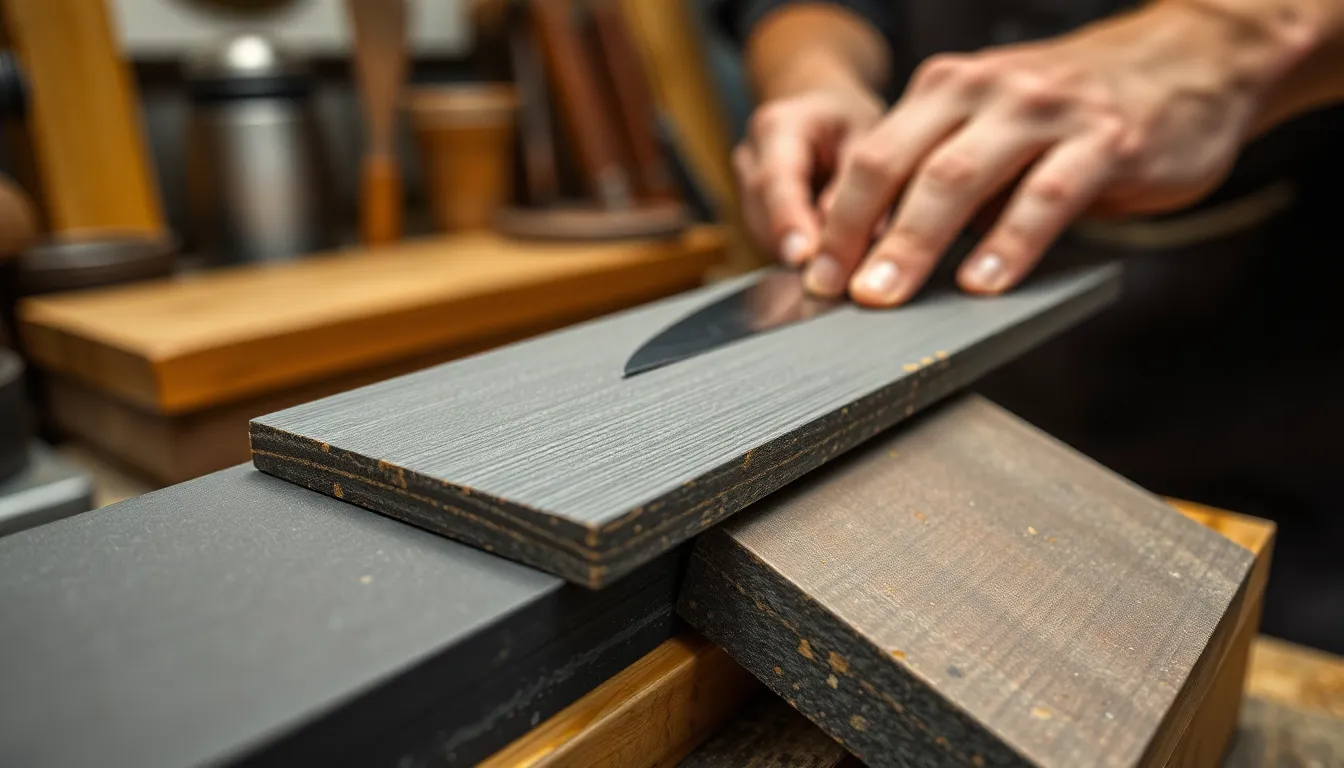
Achieving unparalleled sharpness for your Japanese knives is an art, and the right whetstones are your essential tools. Finding the best whetstones for Japanese knives isn’t just about selecting any abrasive surface; it demands a nuanced understanding of grit, material, and technique. This definitive guide will equip you with expert knowledge to maintain the razor-sharp edge and superior performance that Japanese cutlery is renowned for.
Mastering the sharpening process with premium whetstones elevates your culinary craft, ensuring every slice is precise and effortless. We’ll delve into everything from grit progressions to specific stone recommendations, helping you unlock the full potential of your prized blades.
📋 Table of Contents
- 📌 Unlocking Peak Sharpness: The Best Whetstones for Japanese Knives Explained
- 📌 Demystifying Whetstone Grit: A Comprehensive Guide for Japanese Knife Sharpening
- 📌 Choosing Your Medium: Splash-and-Go vs. Soaking Stones for Optimal Performance
- 📌 Expert Picks: The Best Whetstones for Japanese Knives in 2025
- 📌 Beyond the Stone: Essential Accessories and Techniques for Whetstone Mastery
- 📌 Sharpening Metallurgy: Whetstone Selection for VG-10, Blue Steel, and Single Bevel Knives
- 📌 Advanced Whetstone Care & Restoration: Extending the Life and Performance of Your Stones
- 📌 Frequently Asked Questions About the Best Whetstones for Japanese Knives
- 📌 Professional Tools and Resources for Japanese Knife Sharpening Mastery
- 📌 Real-World Impact: Sharpening Success Stories with Premium Japanese Whetstones
- 📌 Mastering the Edge: Your Path to Finding the Best Whetstones for Japanese Knives
Unlocking Peak Sharpness: The Best Whetstones for Japanese Knives Explained
Japanese knives, celebrated for their exceptional hardness and acute edge angles, demand a specific approach to sharpening that differs significantly from their Western counterparts. Achieving and maintaining their characteristic laser-like sharpness requires more than just any sharpening stone; it necessitates dedicated attention to detail and the use of the best whetstones for Japanese knives.
Understanding this distinction is the first step towards preserving the integrity and performance of your premium cutlery. The unique steel compositions and delicate geometries of these blades are optimized for precision, making proper sharpening a critical aspect of their care.
Why Japanese Knives Demand Specialized Sharpening Solutions for Superior Performance
Japanese knives are often made from very hard steels (HRC 60-65+), which can be brittle if not sharpened correctly. Their thinner blades and steeper edge angles (typically 10-15 degrees per side) also make them prone to damage if abrasive stones are too coarse or used improperly. Specialized whetstones, particularly waterstones, are designed to abrade these hard steels gently yet effectively, preventing chipping or rolling of the delicate edge.
Furthermore, these blades are crafted with precision in mind. Using the correct sharpening solutions ensures that the blade’s unique geometry, whether it’s a double-bevel gyuto or a single-bevel yanagiba, is respected and maintained for optimal cutting performance. For a broader understanding of your cutlery, delve into our ultimate master’s guide to Japanese knives.
The Core Benefits of Using Premium Whetstones for Optimal Edge Retention
Investing in high-quality whetstones offers several significant advantages for Japanese knife owners. Firstly, they provide a superior finish, creating a finer, more durable edge that lasts longer between sharpenings. Premium stones offer consistent abrasive particles, leading to a more even and effective sharpening action, which is crucial for edge retention.
Secondly, specific whetstones allow for precise control over the sharpening process, enabling users to achieve the exact edge desired for different tasks. This precision is vital for maximizing the cutting performance and extending the lifespan of your valuable Japanese knives. Moreover, proper sharpening helps prevent micro-fractures in the steel, which can lead to premature dulling or edge failure.
Demystifying Whetstone Grit: A Comprehensive Guide for Japanese Knife Sharpening
Understanding whetstone grit is fundamental to mastering Japanese knife sharpening. Grit numbers indicate the size of the abrasive particles within the stone: lower numbers signify coarser particles for aggressive material removal, while higher numbers denote finer particles for polishing and refining the edge. A comprehensive grit progression is key to achieving a truly sharp and polished blade.
Selecting the right grit for each stage of sharpening ensures you remove steel efficiently when needed, then gradually refine the edge to an incredibly keen finish. This systematic approach is a hallmark of professional Japanese knife sharpening. It’s about building the edge, not just grinding it.
Coarse Grits (#<1000): Restoring Damaged Edges and Reshaping Blades
Coarse grit whetstones, typically ranging from #120 to #800, are your go-to for significant blade repair and reshaping. These aggressive stones are excellent for fixing chipped edges, correcting substantial dullness, or setting a new primary bevel. They remove metal quickly, so careful attention to angle and pressure is paramount to avoid over-grinding.
For knives that have seen heavy use or neglect, a coarse stone is indispensable for re-establishing the foundational geometry of the blade. Think of it as the heavy-duty restoration phase, preparing the knife for finer refinement. Always ensure you’re working slowly and consistently to avoid uneven wear or damage.
Medium Grits (#1000-#3000): Establishing the Primary Edge and Blade Geometry
Once the blade’s basic shape is restored, medium grit stones, usually between #1000 and #3000, come into play. These are often considered the workhorses of the sharpening process. They refine the scratches left by coarser stones, establish the primary edge, and create a strong, durable cutting surface. A #1000 stone is excellent for everyday sharpening of moderately dull knives.
Progressing to a #2000 or #3000 grit further refines the edge, making it capable of slicing through most ingredients with ease. This stage is crucial for developing a consistent burr along the edge, which signals that you’ve reached the apex from both sides of the blade. Many home cooks find a quality #1000-#3000 combination stone sufficient for daily maintenance.

Fine to Polishing Grits (#4000-#8000+): Achieving Razor-Sharpness and Mirror Polishes
The final stages of sharpening involve fine to polishing grits, ranging from #4000 to #8000 and beyond. These stones are used to remove the microscopic burr left by medium stones and polish the edge to an incredibly keen, often mirror-like finish. A #4000 to #6000 grit will yield a truly razor-sharp edge suitable for most professional kitchen tasks.
For enthusiasts seeking the ultimate edge, or for specialized tasks like sashimi slicing, stones in the #8000 to #12000+ range can create an incredibly smooth, low-friction cutting edge. This high polish significantly improves cutting ability and prevents food from sticking. Always finish with careful stropping to remove any remaining micro-burrs for peak performance.
Choosing Your Medium: Splash-and-Go vs. Soaking Stones for Optimal Performance
The type of whetstone you choose significantly impacts your sharpening experience and results. Broadly, whetstones are categorized by whether they require soaking or are “splash-and-go” types. Each has distinct characteristics that affect performance, maintenance, and convenience. Your decision often comes down to personal preference, the type of knives you sharpen, and your available time.
Understanding the nuances of synthetic waterstones versus natural sharpening stones is essential for making an informed choice. Both mediums offer excellent results, but their handling and behavior differ notably on the bench. Let’s explore the attributes of each to help you select the ideal medium for your sharpening regimen.
Synthetic Waterstones: The Modern Standard for Consistent Results on Japanese Steel
Synthetic waterstones are widely popular for sharpening Japanese knives due to their consistency, affordability, and effectiveness. Brands like Naniwa and Shapton have perfected the art of creating predictable abrasives. These stones come in two main types: splash-and-go (which only require a sprinkle of water on the surface) and soaking stones (which need to be fully immersed in water for several minutes before use).
Splash-and-go stones, such as the Shapton Ha No Kuromaku series, are highly convenient, as they don’t require lengthy soaking times, making them ready to use almost instantly. Soaking stones, like many from King or Suehiro, offer a softer, creamier feel and generate a slurry that aids in sharpening. Both types provide excellent results on Japanese steel, but splash-and-go stones tend to be denser and wear slower.
Natural Sharpening Stones: Exploring Traditional Japanese Honing Surfaces and Their Nuances
Natural sharpening stones, or “natural waterstones” (tennen toishi), represent the traditional art of Japanese sharpening. These stones are mined from geological deposits and possess unique abrasive qualities. Unlike synthetic stones, their characteristics can vary greatly from one piece to another, even from the same mine, making them prized by purists for their nuanced feel and exceptional, often silky, finishes.
While generally more expensive and requiring more expertise to use effectively, natural stones can produce a highly refined, almost three-dimensional edge that some argue is superior for certain applications. They typically require soaking and produce a rich slurry during use. For more on the specific care of your blades, our guide on handmade Japanese kitchen knives provides deeper insights.
Expert Picks: The Best Whetstones for Japanese Knives in 2025
Choosing from the vast array of whetstones can be daunting. To simplify your decision, we’ve curated a list of top-performing brands and series that consistently deliver outstanding results for Japanese knives. These recommendations are based on their reputation, performance across different steel types, and user feedback, making them ideal choices for both enthusiasts and professionals in 2025.
Whether you’re looking for ultimate precision, ease of use, or robust everyday performance, there’s a stone series here to match your needs. These brands represent the pinnacle of sharpening technology and tradition, ensuring your Japanese knives receive the care they deserve. Here are some of the best whetstones for Japanese knives:
Shapton Ha No Kuromaku Series: A Favorite for Professional Sharpeners
The Shapton Ha No Kuromaku (or “Professional” series in some markets) whetstones are revered by professional sharpeners and serious enthusiasts alike. These splash-and-go ceramic stones offer incredibly fast cutting action, minimal dishing, and a superb feel. They come in a wide range of grits, from #120 for heavy repair to #30000 for mirror polishes, each housed in a convenient storage case that doubles as a stone holder.
Their dense, resin-bonded construction means they absorb very little water and are ready to use almost instantly, making them incredibly efficient. The consistent abrasive particles ensure a uniform sharpening experience, producing clean, crisp edges on even the hardest Japanese steels. For unparalleled performance and longevity, the Shapton series is a top-tier choice.
Naniwa Professional/Chosera Series: Achieving Exquisite Edges with Ease
Naniwa’s Professional (formerly Chosera) series is another benchmark for high-performance sharpening. These stones are renowned for their luxurious, creamy feedback and ability to create exceptionally fine edges. While they are technically soaking stones, they require only a short soak (5-10 minutes) compared to traditional waterstones, and their high density ensures minimal water absorption during use.
The Naniwa Professional stones are known for producing a very effective slurry that enhances their cutting power and refines the edge beautifully. They are especially loved for their ability to bring out the best in high-carbon and stainless Japanese steels, leaving a polished and aggressive cutting edge. Explore the full range of Naniwa whetstones for your sharpening needs.
King and Suehiro Whetstones: Reliable Performance for Everyday Sharpening Needs
For those seeking reliable performance without a professional price tag, King and Suehiro whetstones are excellent choices. King stones, particularly their combination stones (e.g., #1000/#6000), are a classic entry point for many aspiring sharpeners. They are traditional soaking waterstones, known for their soft, muddy feel and ability to create a good burr. They offer great value and are widely available.
Suehiro, another respected Japanese brand, offers a range of high-quality synthetic stones, including splash-and-go options like the Cerax series. They often strike a balance between the speed of Shapton and the creamy feel of Naniwa, providing a versatile and user-friendly experience. Both King (e.g., Matsunaga Abrasive Mfg. Co.) and Suehiro provide dependable results for maintaining the keenness of your Japanese Gyuto Knives and other cutlery.
Beyond the Stone: Essential Accessories and Techniques for Whetstone Mastery
While the whetstone itself is paramount, achieving true sharpening mastery involves more than just the abrasive surface. Several essential accessories and advanced techniques can significantly enhance your results, ensuring consistency, precision, and longevity for your sharpening setup. These elements are often overlooked but are crucial for maintaining both your stones and your blades.
Paying attention to these details can transform your sharpening from a chore into a precise and rewarding craft. From ensuring a flat sharpening surface to maintaining the perfect angle, these tools and methods are indispensable for any serious Japanese knife owner. Let’s delve into what takes your sharpening skills to the next level.
The Crucial Role of Flattening Stones (Atoma, DMT) for Consistent Angles
Whetstones, especially softer waterstones, naturally dish and wear unevenly over time due to repeated use. A dished stone makes it impossible to achieve a consistent sharpening angle, leading to convex edges and less effective sharpening. This is where a flattening stone or lapping plate becomes indispensable. Diamond plates, such as those from Atoma or DMT, are excellent for this task.
These plates use industrial diamonds to quickly and effectively abrade the surface of your whetstone, restoring it to a perfectly flat plane. Regular flattening ensures that every stroke on your whetstone is consistent, allowing you to maintain precise angles and achieve superior edge geometry. This simple step is fundamental for high-quality, reproducible sharpening results. You can learn more about this in our article on mastering the edge of premium Gyuto Japanese knives.
Maintaining Optimal Sharpening Angles: Guides vs. Freehand Mastery Techniques
Maintaining a consistent sharpening angle is perhaps the most critical aspect of effective sharpening. For beginners, angle guides can be incredibly helpful. These small, clip-on devices ensure your blade is held at a predefined angle, providing a stable learning platform as you develop muscle memory. They remove much of the guesswork and allow you to focus on pressure and stroke technique.
As you gain experience, transitioning to freehand sharpening offers greater control and adaptability. Freehand mastery involves developing a tactile sense for the correct angle, allowing you to adjust for different blade profiles and sharpening stages. Practice, consistent light pressure, and listening to the feedback from the stone are key to honing this skill, which ultimately yields the most precise and customized edges.
Sharpening Metallurgy: Whetstone Selection for VG-10, Blue Steel, and Single Bevel Knives
The specific metallurgy of your Japanese knife significantly influences the optimal whetstone selection and sharpening approach. Japanese steels vary widely in their carbon content, alloying elements, and heat treatment, each reacting differently to abrasives. Understanding these metallurgical nuances allows you to choose the best whetstones for Japanese knives, ensuring you maximize edge performance and durability without causing damage.
Whether you’re working with a high-carbon masterpiece or a robust stainless-steel workhorse, tailoring your sharpening strategy to the blade’s composition is crucial. This advanced consideration distinguishes basic sharpening from truly expert blade care. It’s also vital for unique geometries like single-bevel blades.

Navigating High-Carbon vs. Stainless Japanese Steels: Distinct Sharpening Requirements
High-carbon steels, such as Aogami (Blue Steel) or Shirogami (White Steel), are renowned for their extreme sharpness and excellent edge retention. These steels are often easier to sharpen and can achieve a very fine, aggressive edge. However, they are also more prone to rust and can be somewhat brittle. Softer waterstones are often preferred as they cut these steels effectively while providing good feedback.
Stainless Japanese steels, like VG-10, SG2, or AUS-10, offer better corrosion resistance and are generally tougher, though sometimes harder to sharpen to the same degree of keenness as carbon steels. Denser, harder synthetic whetstones (like many splash-and-go options) can be very effective on these steels, preventing excessive dishing and ensuring efficient material removal. For an in-depth look, check out our guide on Mastering Carbon Steel Japanese Knives.
Single-Bevel Blades (Yanagiba, Deba): Specialized Approaches for Unilateral Edges
Single-bevel Japanese knives, such as yanagiba (slicers) and deba (fish filleting knives), present a unique sharpening challenge due to their asymmetrical grind. These knives are designed with a primary bevel on one side and a flat or slightly concave back. The sharpening process focuses almost entirely on the beveled side, with only minimal attention given to the back to remove a burr.
Precision is paramount with single-bevel blades. You’ll use a sequence of stones, often starting with a medium grit, to establish the main bevel, followed by finer grits to refine the edge. The back of the blade is usually polished on a very fine stone, or a specific “ura-oshi” stone, to maintain its flatness and ensure the burr is completely removed. Our guide to mastering Japanese Sashimi knives offers more specialized advice.
Advanced Whetstone Care & Restoration: Extending the Life and Performance of Your Stones
Just as your Japanese knives require meticulous care, your whetstones also need proper maintenance to ensure their longevity and optimal performance. Neglecting your stones can lead to dishing, glazing, and inefficient sharpening, ultimately impacting the quality of your knife edges. Advanced care and restoration techniques are essential for any serious sharpener looking to maximize their investment.
Understanding how to properly maintain and restore your whetstones extends their life and ensures they perform at their peak for years to come. From creating the perfect slurry to troubleshooting common issues, these practices are integral to the craft of sharpening. Let’s delve into the specifics of advanced whetstone care.
The Art of Nagura Stones: Creating Custom Slurries for Refined Finishes
Nagura stones are small, often softer stones used to create a slurry on the surface of a larger whetstone. This slurry, a paste of abrasive particles and water, plays a crucial role in sharpening by increasing the cutting action of the whetstone and providing a smoother, more refined finish. It effectively “opens up” the surface of a finer stone, preventing glazing and ensuring consistent abrasion.
Different types of nagura can create slurries with varying abrasive qualities, allowing sharpeners to customize the cutting action and feedback of their stones. For natural stones, using a corresponding natural nagura can significantly enhance the stone’s performance and the quality of the edge. Mastering the use of nagura stones is a subtle art that yields superior results, particularly on fine and polishing grits.
Troubleshooting Whetstone Issues: Glazing, Dishing, and Micro-Cracks
Whetstones can encounter several issues that impede their performance. Glazing occurs when metal particles and finer stone particles clog the surface, making it smooth and less abrasive. This can be remedied by using a nagura stone or a flattening plate to refresh the surface. Dishing, as discussed, requires regular flattening to maintain a consistent sharpening plane.
Micro-cracks, often caused by improper drying, freezing, or accidental drops, can severely damage a whetstone. While minor cracks might be managed by careful use or sanding, significant damage usually warrants replacement. Always allow soaking stones to air dry completely before storage to prevent cracks. Proper storage in a cool, dry place is also key to preventing long-term damage.
The Science of Abrasion: How Different Abrasives Interact with Carbide Structures
The effectiveness of a whetstone lies in the science of abrasion, specifically how its abrasive particles interact with the carbide structures within knife steel. Different abrasive materials, such as aluminum oxide, silicon carbide, or natural silicates, have distinct hardnesses and fracture patterns. These properties determine how efficiently they cut through various steel alloys, especially hard carbides.
For instance, aluminum oxide (common in many synthetic waterstones) is very effective for general steel removal, while silicon carbide, being harder, excels at cutting extremely hard, wear-resistant steels. Understanding this interaction helps advanced sharpeners select stones that not only abrade effectively but also minimize heat buildup and create the desired scratch pattern for a resilient edge. This deeper knowledge ensures you are always using the best whetstones for Japanese knives.
Frequently Asked Questions About the Best Whetstones for Japanese Knives
Navigating the world of Japanese knife sharpening can bring up many questions. Here, we address some of the most common inquiries to help you confidently select and use the best whetstones for Japanese knives. Our aim is to demystify the process and empower you with clear, concise answers to enhance your sharpening journey.
What grit whetstone is best for Japanese knives for everyday use?
For everyday maintenance and sharpening of Japanese knives that are moderately dull, a #1000 to #3000 grit whetstone is highly recommended. A #1000 grit stone is perfect for restoring a good working edge, while progressing to a #3000 grit can refine it further for superior cutting performance. Many home users find a combination stone in this range to be incredibly versatile and effective.
Do Japanese knives need special sharpeners, or can any whetstone be used effectively?
Japanese knives benefit greatly from specialized sharpeners, primarily waterstones. Their harder steels and acute edge angles require abrasive particles that cut cleanly and gently, which waterstones provide. While some universal sharpeners might work, they often lack the precision and finesse needed to maintain the delicate edge geometry of Japanese knives, potentially causing damage or sub-optimal sharpness. Always opt for quality whetstones.
What are the advantages of combination whetstones for home users sharpening Japanese cutlery?
Combination whetstones offer convenience and value for home users. They typically feature two different grits on opposing sides (e.g., #1000/#6000), allowing you to progress from coarse sharpening to fine finishing with a single stone. This saves space, reduces cost, and simplifies the sharpening process, making them an excellent all-in-one solution for maintaining your Japanese cutlery with ease and efficiency.
How much should I expect to spend on a quality whetstone setup for Japanese knives?
A quality whetstone setup for Japanese knives can range from $70 to $200 for a basic yet effective progression. This usually includes a good #1000 grit stone for maintenance, a #4000-#6000 grit for refinement, and a flattening stone. Higher-end, professional-grade stones from brands like Shapton or Naniwa can cost more per stone, but they offer superior performance and longevity, making them a worthwhile investment over time.
What’s the fundamental difference between a synthetic and a natural Japanese whetstone?
The fundamental difference lies in their origin and consistency. Synthetic whetstones are manufactured with controlled abrasive particles (e.g., aluminum oxide, silicon carbide) and a binder, ensuring predictable performance and grit. Natural Japanese whetstones are mined from geological deposits, possessing unique, often variable characteristics in terms of feel, cutting action, and finish. Natural stones are prized for their subtle feedback and the unique edge they can produce, appealing to traditionalists.
Professional Tools and Resources for Japanese Knife Sharpening Mastery
To truly achieve mastery in Japanese knife sharpening, one must go beyond basic stones and embrace a holistic approach that includes specialized tools and continuous learning. The right accessories can streamline your process, while expert resources can deepen your understanding and refine your technique. Investing in these elements is a commitment to excellence in blade care.
Our goal at JapaneseKnivesWorld is to empower you with the knowledge and tools necessary to maintain your cutlery at its peak. This section highlights essential aids and pathways for advanced learning, ensuring you have everything you need to become a skilled sharpener. It’s about building a complete system for success.
Recommended Sharpening Systems, Flattening Plates, and Angle Guides
For a complete sharpening setup, consider the following: a core set of three whetstones (coarse, medium, fine, e.g., #400, #1000, #6000 grit), a high-quality diamond flattening plate (like an Atoma 140 or DMT Dia-Sharp), and a stone holder to keep your stones stable during use. Angle guides can be beneficial for beginners to ensure consistency.
Additionally, a leather strop with polishing compound can provide the ultimate finish, removing any micro-burrs and polishing the edge to a mirror sheen. For those seeking highly consistent angles, specialized sharpening jigs are also available. We recommend checking reviews on reputable culinary sites like Serious Eats for comparative insights on these tools.
Expert Online Courses and Community Forums for Deepening Your Knowledge
The journey to sharpening mastery is continuous. Many renowned knife makers and sharpening experts offer online courses that provide in-depth tutorials, covering everything from basic techniques to advanced metallurgy. These structured learning environments are invaluable for developing precise hand skills and theoretical understanding. Look for courses from established Japanese blacksmiths or recognized sharpening authorities.
Community forums and online groups dedicated to Japanese knives and sharpening are also fantastic resources. They offer a platform to ask questions, share experiences, and learn from a global network of enthusiasts and professionals. Engaging with these communities can provide practical tips, troubleshoot issues, and keep you updated on the latest trends and products in the world of sharpening. Such platforms exemplify the spirit of craftsmanship taught at institutions like the Culinary Institute of America.
Real-World Impact: Sharpening Success Stories with Premium Japanese Whetstones
The true value of investing in the best whetstones for Japanese knives is best illustrated through tangible results. These success stories demonstrate how proper sharpening techniques, combined with high-quality stones, can revitalize dull blades, enhance culinary precision, and extend the life of valuable cutlery. These examples provide practical insights into the transformative power of a well-maintained edge.
From the home kitchen to professional culinary environments, the impact of a truly sharp knife is undeniable. These case studies highlight the dedication and skill involved in achieving optimal performance, reinforcing why precision sharpening is a cornerstone of Japanese knife care. Witness the remarkable difference a thoughtful approach to sharpening can make.
Case Study: Revitalizing a Dull Gyuto with a Three-Stone Progression for Optimal Performance
A professional chef brought in a severely dull 8-inch Gyuto, used daily for years without proper maintenance. Its edge was rolled and barely cut a tomato. We initiated a three-stone sharpening progression: first, a #400 grit Shapton Pro for edge repair and setting a new bevel. Second, a #1000 grit Naniwa Professional for refining the edge and removing coarse scratches. Finally, a #5000 grit Shapton Pro for polishing and achieving a razor-sharp finish.
The results were transformative: the Gyuto easily push-cut paper, sliced through ripe tomatoes with zero resistance, and diced onions with precision. The chef reported significantly less effort in daily prep tasks and a noticeable improvement in cutting aesthetics, praising the revitalized performance. The knife felt “better than new,” showcasing the power of a complete grit progression.
Step-by-Step: Achieving a Polished Edge on a Yanagiba with Fine Grit Stones
Sharpening a single-bevel yanagiba to a polished, flawless edge requires a methodical approach focused on fine grits:
- Preparation: Flatten a #3000 grit Naniwa Professional stone. Ensure the yanagiba’s ura (back) is completely flat and free of burrs by lightly polishing on a #8000 stone.
- Primary Bevel Refinement: On the #3000 stone, focus solely on the omote (beveled side), maintaining the precise factory angle. Use light, consistent pressure, working from heel to tip, until a very fine burr forms along the entire length of the ura.
- Polishing with #8000: Transition to an #8000 grit Shapton Pro. Repeat the same careful strokes on the omote, further refining the scratch pattern and creating a near-mirror polish. The burr will become infinitesimally small.
- Burr Removal & Final Polish: With extremely light pressure, perform a few very gentle passes on the ura, just enough to remove the burr. Then, strop the omote on a clean, fine leather strop with polishing compound.
The result was a yanagiba that glided through sashimi-grade fish without any tearing, leaving a perfectly smooth, reflective cut surface. This level of finish is essential for the delicate art of Japanese cuisine.
The Chef’s Perspective: Enhanced Performance and Longevity in Professional Kitchens
In a bustling professional kitchen, knife performance directly impacts efficiency and food quality. One executive chef reported that after transitioning his team to consistent sharpening with premium whetstones, their Japanese knives not only stayed sharper longer but also required less frequent re-profiling. “Our prep time has decreased, and the precision of our cuts has noticeably improved across the board,” he stated.
Furthermore, the chef observed a significant reduction in blade damage, such as micro-chipping or edge rolling, which he attributed to the superior finish achieved with high-quality whetstones. This proactive approach to knife care has extended the lifespan of their expensive Japanese cutlery, demonstrating a clear return on investment in both time and equipment. Investing in the best whetstones for Japanese knives leads to tangible benefits.
Mastering the Edge: Your Path to Finding the Best Whetstones for Japanese Knives
Embarking on the journey to master Japanese knife sharpening is a rewarding endeavor that elevates your culinary prowess and preserves the integrity of your cherished blades. By understanding the intricate relationship between knife metallurgy, grit progression, and proper technique, you are well-equipped to select the best whetstones for Japanese knives.
This knowledge transforms sharpening from a chore into a meditative craft, ensuring every cut is executed with precision and grace. Your commitment to quality whetstones is an investment in the longevity and peak performance of your Japanese cutlery. It’s a testament to your respect for the art of the blade.
Key Takeaways: Selecting the Right Stones for Unparalleled Sharpness and Durability
To summarize, selecting the right whetstones is crucial for Japanese knives due to their hard steels and acute edges. Prioritize a versatile grit progression (coarse, medium, fine) to cover all sharpening needs. Consider synthetic waterstones like Shapton or Naniwa for consistent results and ease of use. Always include a flattening stone for maintaining your whetstone’s surface and ensure consistent angles.
Match your whetstone choice to your knife’s steel type and bevel geometry, especially for single-bevel blades. With these considerations, you will successfully equip yourself with the tools to achieve unparalleled sharpness and significantly extend the durability of your valuable Japanese knives.
Elevate Your Craft: Start Your Precision Sharpening Journey Today
The path to achieving ultimate sharpness for your Japanese knives begins now. Armed with the insights from this guide, you have the foundation to select the best whetstones for Japanese knives and develop the skills to use them effectively. Embrace the process, practice consistency, and marvel at the transformative power of a truly sharp edge.
Elevate your craft, enhance your cooking experience, and ensure your Japanese knives perform at their absolute best every single day. The precision and joy they bring to your kitchen are well worth the dedication to proper sharpening. Take the first step towards perfect edges today.
🔪 Discover Premium Japanese Knives at JapaneseKnivesWorld
At JapaneseKnivesWorld, we are passionate about authentic Japanese cutlery, helping chefs and cooking enthusiasts discover the finest knives from Japan’s master craftsmen.
⚔️ Curated selection of premium Japanese knives from legendary makers
🗾 Expert guides on Japanese steel types and craftsmanship techniques
📚 Comprehensive reviews and comparisons of top knife brands
🎯 Professional advice for choosing your perfect Japanese knife
Ready to find your perfect Japanese knife?
🔗 Explore our complete buying guides and expert recommendations at JapaneseKnivesWorld.com
Follow us for daily knife insights:
🌐 Website
Japanese Knives World
Expert reviews, buying guides and craftsmanship stories about Japanese kitchen knives.
Talk to the teamRelated articles
The Definitive 2025 Japanese Chef Knives Reviews: A Professional Evaluation of Performance and Craftsmanship
Navigating the world of high-end cutlery requires a deep understanding of metallurgy, ergonomics, and traditional craftsmanship. In this definitive guide to japanese chef knives reviews, we evaluate the top-tier blades that are defining the culinary landscape in 2025. Whether you are a professional executive chef or a dedicated home cook, selecting the right Japanese blade […]
Zwilling Japanese Knives: The Ultimate Professional Evaluation for 2025
Welcome to the definitive guide for discerning chefs and culinary enthusiasts exploring the exceptional world of zwilling japanese knives. This comprehensive evaluation for 2025 delves into how these meticulously crafted tools, primarily under the esteemed Miyabi brand, fuse German engineering precision with ancient Japanese blade artistry. Discover why these premium knives are not just instruments, […]
Unveiling the Ultimate Japanese Chefs Knives Review: Expert Insights for 2025
Welcome to the definitive guide on the finest Japanese culinary tools. This comprehensive japanese chefs knives review dives deep into the world of precision craftsmanship, unparalleled sharpness, and ergonomic design that sets Japanese knives apart. Choosing the right chef knife can profoundly transform your cooking, making every slice, dice, and chop a true pleasure. We […]