
The quest for the perfect dining experience often begins before the first bite, with the tools that prepare and present our meals. A japanese steak knives set elevates ordinary steak consumption into an art form, offering unparalleled precision and aesthetic beauty. These knives are not just cutting instruments; they are a testament to centuries of meticulous craftsmanship, designed to slice through even the most perfectly cooked steak with effortless grace. Investing in a premium Japanese steak knife set means embracing a culinary tradition that prioritizes sharpness, balance, and enduring quality, transforming every meal into a refined occasion. 🔥
For those who appreciate the finer details in life, especially at the dinner table, understanding the unique attributes of a Japanese steak knife is paramount. This guide will delve into what makes these sets a superior choice, from their legendary steel to their ergonomic designs, ensuring you can select the ultimate japanese steak knives set to enhance your precision dining for years to come. 🎯
📋 Table of Contents
- 📌 Unveiling the Art of the japanese steak knives set
- 📌 Understanding the Superiority of a japanese steak knives set
- 📌 Choosing Your Ideal japanese steak knives set: What Matters Most
- 📌 Leading japanese steak knives set Brands to Consider
- 📌 Preserving the Razor-Sharp Edge of Your japanese steak knives set
- 📌 The Metallurgy of Masterpiece: Japanese Steel Optimization for Steak Knives
- 📌 Frequently Asked Questions About Your japanese steak knives set
- 📌 Essential Tools and Resources for Every japanese steak knives set Owner
- 📌 Real-World Impact: Enhancing Dining with a Premium japanese steak knives set
- 📌 Elevating Every Meal with Your Definitive japanese steak knives set
Unveiling the Art of the japanese steak knives set
A japanese steak knives set represents the pinnacle of cutlery innovation, blending ancient forging techniques with modern metallurgical science. Unlike their Western counterparts, Japanese steak knives are typically characterized by their incredibly thin, sharp blades and often exquisite aesthetics, from minimalist designs to intricate Damascus patterns. These attributes contribute significantly to an elevated dining experience, making each cut feel precise and effortless. 🌱
What Makes a Japanese Steak Knife Set a Culinary Essential?
Japanese steak knives stand out due to several key factors that make them a culinary essential. Primarily, their superior sharpness, achieved through harder steel and a more acute blade angle, allows for incredibly clean cuts that preserve the meat’s juices and texture. This precision prevents tearing and bruising of the steak, which can happen with blunter knives, ensuring every bite is as intended by the chef. Beyond performance, the balance and ergonomic design of these knives contribute to a comfortable and controlled cutting experience. ✅
Furthermore, many Japanese steak knives feature exquisite craftsmanship that adds a touch of elegance to any table setting. From traditional octagonal handles to striking Damascus steel patterns, these sets are often considered works of art. Such attention to detail enhances the overall dining ambiance, making a statement about one’s appreciation for quality and tradition.
Why Investing in Premium Japanese Steak Knives Transforms Your Dining Experience
Investing in a premium japanese steak knives set is about more than just owning sharp tools; it’s about transforming your entire dining experience. The joy of effortlessly slicing through a perfectly cooked steak, feeling the blade glide rather than tear, is truly incomparable. This level of performance not only enhances the texture and flavor perception of the meat but also adds a layer of sophistication to your table. Moreover, the durability and edge retention of high-quality Japanese steel mean these knives are a long-term investment, maintaining their superior performance for years with proper care. ✨
Beyond the functional aspects, premium Japanese steak knives often come with a rich heritage and story, embodying centuries of forging expertise. Owning such a set connects you to a tradition of culinary excellence and artisanal skill. This emotional connection, combined with their unmatched performance, makes them an invaluable addition to any discerning diner’s collection, ensuring memorable meals time and time again. For a deeper dive into selecting the best, you might find our guide on Best Japanese Steak Knives: Expert Insights highly informative.
Understanding the Superiority of a japanese steak knives set
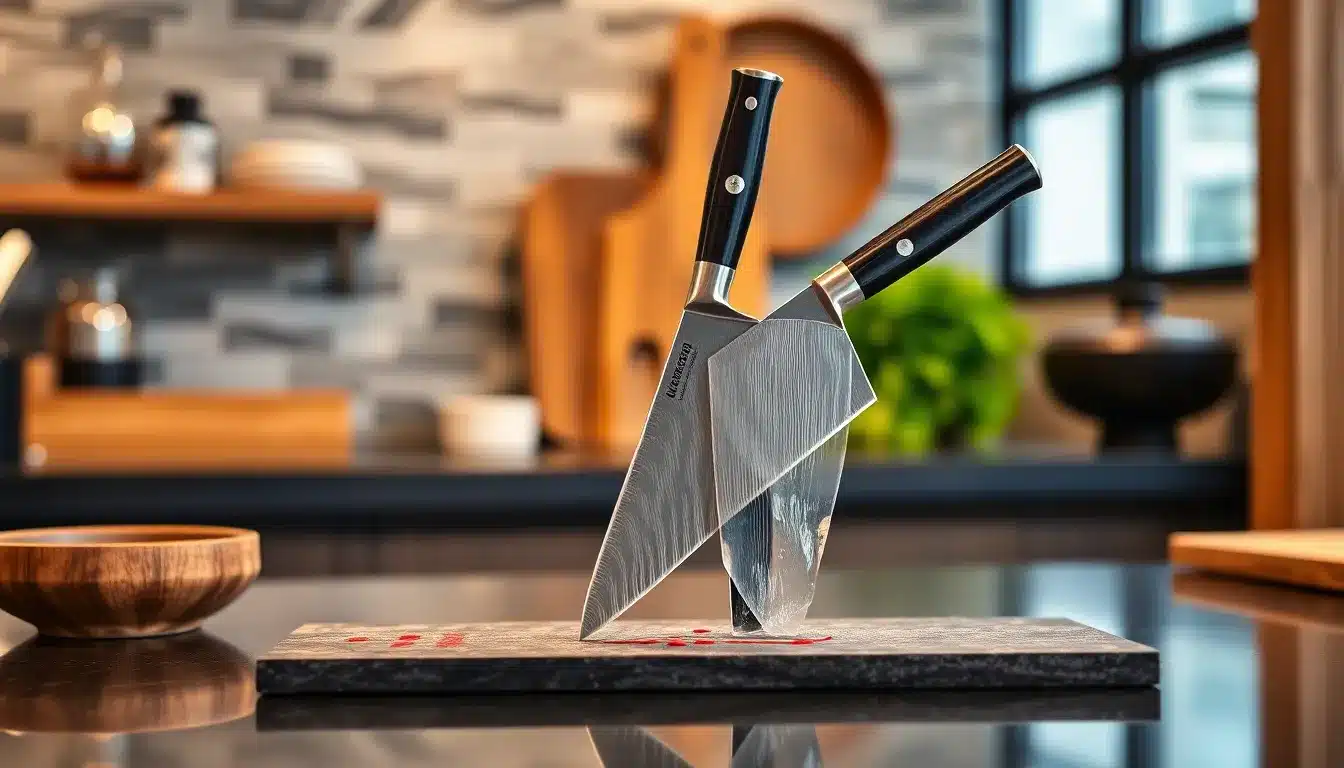
The superior performance of a japanese steak knives set stems from a combination of traditional artistry and advanced material science. Japanese knifemakers have perfected the art of creating incredibly hard yet resilient blades, often with thinner profiles than Western knives. This inherent design advantage translates directly into a cutting experience that is both more efficient and more satisfying, providing a clean slice rather than a forceful cut. This distinction is crucial for preserving the delicate fibers and juices within a steak. 💡
The cultural emphasis on precision and perfection in Japanese craftsmanship is clearly evident in every detail of these knives. From the meticulous heat treatment of the steel to the careful grinding of the edge, each step is optimized for ultimate cutting performance. This dedication results in steak knives that are not only functional but also objects of significant beauty and pride, reflecting a legacy passed down through generations of artisans. 🎯
A Legacy of Precision: Traditional Japanese Forging Techniques
Traditional Japanese forging techniques, such as those used for samurai swords, form the bedrock of modern Japanese cutlery. These methods, often involving differential heat treatment and meticulous hand-hammering (Tsuchime finish), result in blades with an exceptionally fine grain structure and outstanding durability. This heritage directly translates into a japanese steak knives set that boasts legendary sharpness and edge retention, capabilities far beyond mass-produced alternatives. Techniques like ‘San Mai’ or ‘Damascus’ layering also contribute to both strength and stunning visual appeal.⚔️
The process of crafting a Japanese blade is labor-intensive and requires immense skill, often taking years to master. This dedication ensures that each knife is a masterpiece of engineering and art. The precision achieved through these time-honored methods is why Japanese knives are revered globally for their cutting prowess, allowing for effortless slicing that preserves the integrity of delicate foods like steak. For an appreciation of the craftsmanship, explore Master crafted handmade Japanese knives.
The Anatomy of Excellence: Blade Construction and Handle Ergonomics
The anatomy of a truly excellent Japanese steak knife involves a harmonious balance between its blade and handle. Blades are typically very thin, often ground to an acute angle (10-15 degrees per side, compared to 20-25 degrees for Western knives), which provides their renowned razor-sharpness. Many feature a full tang for balance and strength, though traditional Japanese designs may use a partial tang with a robust handle. The steel, often high-carbon stainless, offers a unique blend of hardness and corrosion resistance, crucial for daily use. ✨
Handle ergonomics are equally critical for comfort and control. Traditional Japanese handles (wa-handles) are typically octagonal or D-shaped, designed to fit snugly in the hand and prevent slipping. Western-style handles (yo-handles) are also common on Japanese steak knives, offering a familiar grip. The material—from exquisite woods like Pakkawood or ebony to synthetic compounds—is chosen for durability, aesthetics, and resistance to moisture. This thoughtful combination ensures that the knife feels like an extension of the user’s hand, enhancing the dining experience. 👍
Why Japanese Steel is Unrivaled for Steak Knives
Japanese steel is widely considered unrivaled for steak knives due to its unique metallurgical properties and the advanced heat treatment it undergoes. Steels like VG-10, SG2 (R2), and various Aogami (Blue Steel) varieties are known for their exceptional hardness, which translates directly into superior edge retention. This means a Japanese steak knife stays razor-sharp for much longer than knives made from softer steels, minimizing the need for frequent sharpening during use. 🔪
Beyond hardness, Japanese steel often strikes an optimal balance between sharpness, toughness, and stain resistance. While some high-carbon Japanese steels require more diligent care, many modern alloys offer excellent corrosion resistance without sacrificing performance. This combination allows for extremely thin blades that cut with incredible precision, effortlessly gliding through steak without tearing. Renowned steel manufacturers like Takefu Special Steel are at the forefront of developing these advanced materials, ensuring Japanese knives remain at the pinnacle of cutlery innovation. 🌐
Choosing Your Ideal japanese steak knives set: What Matters Most
Selecting the perfect japanese steak knives set involves a careful consideration of several key factors that directly impact performance, durability, and user satisfaction. The right set should not only perform flawlessly but also feel comfortable and aesthetically pleasing in your hand. Understanding the nuances of steel type, edge angle, and handle materials will empower you to make an informed decision that aligns with your dining habits and personal preferences. This mindful selection ensures a long-lasting and enjoyable investment. 💡
The market offers a diverse range of Japanese steak knives, from traditional artisan pieces to modern, high-tech creations. Prioritizing what matters most to you—be it ultimate sharpness, minimal maintenance, or specific aesthetic features—will guide you toward a set that truly enhances your culinary journey. Remember, a good steak knife is an extension of your dining pleasure. For those seeking precision, our guide to Best Japanese Steak Knives for Precision offers excellent insights.
Steel Type and Hardness: VG-10 vs. SG2 vs. Blue Steel for Steak
The choice of steel is perhaps the most critical factor in a japanese steak knives set. Each steel type offers a different balance of characteristics suitable for various preferences. Here’s a quick comparison:
- VG-10: A very popular high-carbon stainless steel known for excellent edge retention and good corrosion resistance. It’s often found in mid-to-high-range Japanese knives and is a great all-rounder for steak knives, offering a balance of sharpness and ease of maintenance.
- SG2 (R2): A powdered metallurgy stainless steel that is extremely hard and offers even better edge retention than VG-10, often reaching higher Rockwell hardness scores (63-64 HRC). SG2 knives maintain their razor edge for a very long time but can be slightly more challenging to sharpen.
- Blue Steel (Aogami): A traditional high-carbon steel known for its incredible sharpness and ability to take an exceptionally fine edge. It comes in various grades (Aogami #1, #2, Super). While unparalleled in sharpness, Blue Steel requires diligent care to prevent rust and discoloration due to its lower chromium content.
For steak knives, where ultimate sharpness is highly desirable, all three options are excellent, but your preference for maintenance versus peak performance will guide your choice. For more details on this topic, check out The Definitive Guide to Japanese Carbon Steel.
Edge Angle and Sharpness: Achieving Effortless Slices
The edge angle of a Japanese steak knife is fundamental to its superior sharpness and ability to achieve effortless slices. Unlike Western knives which often have wider, more robust edge angles (typically 20-25 degrees per side), Japanese knives are commonly ground to much finer angles, often between 10-15 degrees per side. This acute angle creates a thinner, more precise cutting edge that requires less force to slice through meat, minimizing cellular damage and retaining more juices. This is a crucial distinction for premium steak knives.🔪
The meticulous sharpening process, often done by hand on water stones, further refines this acute angle, resulting in a microscopic edge that is astonishingly sharp. This razor-sharpness allows the blade to glide through steak fibers rather than tearing them, leading to a cleaner cut and a more pleasurable eating experience. When selecting a set, look for explicit mention of a fine edge angle, as it’s a direct indicator of superior slicing performance. Precision and care in sharpening are what set these knives apart.
Handle Materials and Balance: Comfort and Aesthetics
The handle of a Japanese steak knife plays a crucial role in both comfort and aesthetics, greatly influencing the overall dining experience. Materials vary widely, from traditional Japanese woods like Magnolia or Ebony, known for their tactile feel and natural beauty, to durable synthetic options such as Micarta or G-10, which offer excellent grip and moisture resistance. Pakkawood, a wood-resin composite, provides the warmth of wood with enhanced durability and water resistance, making it a popular choice for japanese steak knives set. ergonomics and grip are paramount, ensuring the knife feels secure and comfortable in hand. 🖐️
Beyond material, the balance of the knife is essential. A well-balanced steak knife feels light and agile, allowing for precise control with minimal effort. This balance is achieved through careful consideration of the blade’s weight, the tang construction, and the handle’s density. Whether you prefer a traditional Japanese “wa-handle” for its unique feel or a Western “yo-handle” for familiarity, the handle and its balance should complement the blade’s performance, ensuring both comfort and aesthetic pleasure at the table. 👍
Leading japanese steak knives set Brands to Consider
When it comes to selecting a high-quality japanese steak knives set, certain brands consistently stand out for their exceptional craftsmanship, innovative designs, and superior performance. These manufacturers have honed their skills over generations, combining traditional techniques with modern technology to produce cutlery that is revered by both professional chefs and home enthusiasts alike. Exploring these leading brands offers a clear path to finding a set that meets the highest standards of precision and elegance. Knowing these names is key to making a confident purchase. 🏆
Each of these brands brings a unique philosophy and design aesthetic to the table, yet all are united by a commitment to excellence in Japanese cutlery. Whether you’re seeking razor-sharp edges, exquisite finishes, or ergonomic comfort, there’s a reputable brand ready to exceed your expectations. Their reputations are built on consistent quality and a deep understanding of what makes a truly great knife. This section will guide you through some of the most prominent players in the market. 🎯
Shun Classic and Premier: A Deep Dive into Popular Choices
Shun Cutlery is arguably one of the most recognized and respected Japanese knife brands globally, and their Classic and Premier lines offer exceptional japanese steak knives set options. The Shun Classic series is characterized by its stunning Damascus cladding (often 34 layers per side) over a VG-MAX cutting core, providing incredible sharpness and edge retention. These knives feature D-shaped Pakkawood handles, designed for comfort and a secure grip, making them a popular choice for those seeking a balance of beauty and performance. According to Shun’s philosophy, their commitment to traditional Japanese craftsmanship makes their knives an extension of the chef’s hand. 🔪
The Shun Premier series takes aesthetics and performance a step further with its hammered (Tsuchime) finish, which not only looks beautiful but also helps prevent food from sticking to the blade. These knives also feature a VG-MAX core, but with a more rounded, ambidextrous Pakkawood handle for enhanced comfort. Both series are known for their exceptional out-of-the-box sharpness and elegant presentation, making them superb choices for a premium steak knife set. For a detailed review, see our insights on Master Crafted Shun Japanese Chef Knives. ✨
Miyabi and Tojiro: Premium Alternatives for Discerning Chefs
Miyabi and Tojiro represent two other stellar choices for a premium japanese steak knives set, catering to discerning chefs and home cooks. Miyabi knives, crafted in Seki City, Japan, by Zwilling J.A. Henckels, are renowned for their stunning aesthetics and incredible sharpness. They often feature various high-carbon steel cores (like SG2) and intricate Damascus patterns, combined with exquisite traditional Japanese handles. Miyabi balances traditional craftsmanship with modern technology, producing knives that are both functional art pieces and exceptional performers. Their knives are often seen in high-end culinary settings. 💎
Tojiro knives, on the other hand, are celebrated for offering exceptional performance and value, making high-quality Japanese cutlery more accessible. While perhaps less ornate than Miyabi, Tojiro’s DP Damascus series, for example, features VG-10 steel clad in stainless steel, providing robust edge retention and ease of maintenance. They are known for their keen edges and workhorse reliability, often preferred by professional chefs for their consistent performance. Both brands exemplify the diversity and excellence within Japanese knife manufacturing, providing excellent alternatives depending on your aesthetic and budget preferences. For a deep dive into Miyabi, check out our Ultimate Professional Evaluation of Miyabi Knives.
Emerging Artisans and Custom Japanese Steak Knife Options
Beyond established brands, the world of japanese steak knives set also encompasses a vibrant community of emerging artisans and custom knifemakers. These independent craftsmen often specialize in small-batch production, offering unique designs, exotic handle materials, and bespoke blade geometries that cannot be found in mass-produced sets. Choosing a custom-made set means investing in a truly one-of-a-kind piece, often with a direct connection to the maker and their specific forging philosophy. This approach allows for a level of personalization and artistry that mass production cannot match. 🎨
Many of these artisans utilize rarer steels, proprietary heat treatments, and highly intricate finishes, pushing the boundaries of what a steak knife can be. They often draw inspiration from historical Japanese sword-making, applying those principles to modern culinary tools. While typically more expensive and requiring a longer wait time, a custom japanese steak knives set provides an unparalleled sense of exclusivity and craftsmanship, making it a cherished heirloom. It’s an investment in art and performance. Consider exploring Crafting Elite Custom Japanese Knives for more insights.
Preserving the Razor-Sharp Edge of Your japanese steak knives set
Owning a premium japanese steak knives set is just the first step; preserving its razor-sharp edge and pristine condition requires diligent care and proper maintenance. These aren’t ordinary knives that can be tossed into a dishwasher or neglected. Japanese steel, particularly high-carbon varieties, demands specific attention to maintain its superior performance and prevent damage. Understanding and implementing the correct care routine will ensure your knives remain a source of culinary pride for decades. This dedication to care is part of the investment. 💪
From proper cleaning and storage to mastering sharpening techniques, each aspect of knife care contributes to the longevity and performance of your set. Ignoring these steps can quickly dull the edge, lead to corrosion, or even damage the delicate blade. By following established best practices, you protect your investment and ensure that every cut remains as effortless as the first. Let’s delve into the essentials of knife preservation. ✨
Essential Cleaning and Storage Tips for Japanese Steel
Proper cleaning and storage are paramount for maintaining the pristine condition and razor sharpness of your japanese steak knives set. Firstly, never put Japanese knives in a dishwasher. The harsh detergents, high heat, and jostling can damage the delicate edge, corrode the steel, and warp wooden handles. Instead, immediately after use, hand wash your knives with warm water and a mild dish soap. Use a soft cloth or sponge, avoiding abrasive scrubbers. 🧼
Thoroughly dry each knife immediately after washing to prevent water spots and, more critically, rust, especially for high-carbon steels. Air drying is not sufficient. For storage, avoid knife blocks with loose slots where blades can rub against each other, or simply throwing them into a drawer. Ideal storage solutions include:
- Magnetic Knife Strips: Keep blades separate and visible.
- In-Drawer Knife Organizers: Protect edges from other utensils.
- Saya Covers: Wooden sheaths that custom-fit the blade for ultimate protection.
- Knife Rolls or Cases: Best for transport or extensive collections.
Proper storage prevents nicks and dings to the delicate edge, ensuring the knife is ready for its next use. Following these simple steps will significantly extend the life and beauty of your valuable cutlery. 🛡️
Sharpening and Honing Your Japanese Steak Knives for Optimal Performance
Maintaining the optimal performance of your japanese steak knives set necessitates understanding the difference between honing and sharpening, and how to apply each correctly. Honing, typically done with a ceramic or fine steel honing rod, realigns the microscopic edge of the blade without removing much material. This should be done frequently, perhaps before or after every few uses, to keep the edge straight and prevent it from rolling. It’s a maintenance step, not a sharpening one. 🪚
Sharpening, on the other hand, involves removing a small amount of steel to create a new, fresh edge. For Japanese knives, this is best performed using high-quality Japanese sharpening stones (whetstones) with various grits. Starting with a coarser grit (e.g., 1000-grit) for dull edges and progressing to finer grits (e.g., 3000-6000 grit) for refinement and polishing, will restore the razor-sharpness. The key is maintaining the correct, acute blade angle. For expert guidance on this, consider our insights on the Best Whetstone for Japanese Knives. Regular, proper sharpening will ensure your knives always perform their best. 💎
Avoiding Common Mistakes: What NOT to Do with Your Premium Cutlery
To ensure the longevity and peak performance of your japanese steak knives set, it’s crucial to avoid several common mistakes that can quickly degrade their quality.
Here are the critical “don’ts”:
- Don’t use a glass cutting board: Glass, ceramic, or stone surfaces are extremely hard and will dull your knife’s delicate edge almost instantly. Always use wooden or high-quality plastic cutting boards.
- Don’t put them in the dishwasher: As mentioned, this is a cardinal sin. The harsh environment will ruin the blade and handle.
- Don’t use them on frozen food or bones: Japanese blades are hard but thin and can chip easily if used on extremely hard items.
- Don’t store them loosely in a drawer: Clanking against other utensils will damage the edge. Always use a magnetic strip, knife block, or saya.
- Don’t use a pull-through sharpener: These devices often remove too much material at an incorrect angle, severely damaging the fine edge of Japanese knives. Stick to whetstones or professional sharpening services.
By avoiding these pitfalls, you’ll ensure your premium Japanese steak knives maintain their incredible sharpness and beauty for many years, providing an unparalleled dining experience. Protect your investment through informed care. 🛡️
The Metallurgy of Masterpiece: Japanese Steel Optimization for Steak Knives
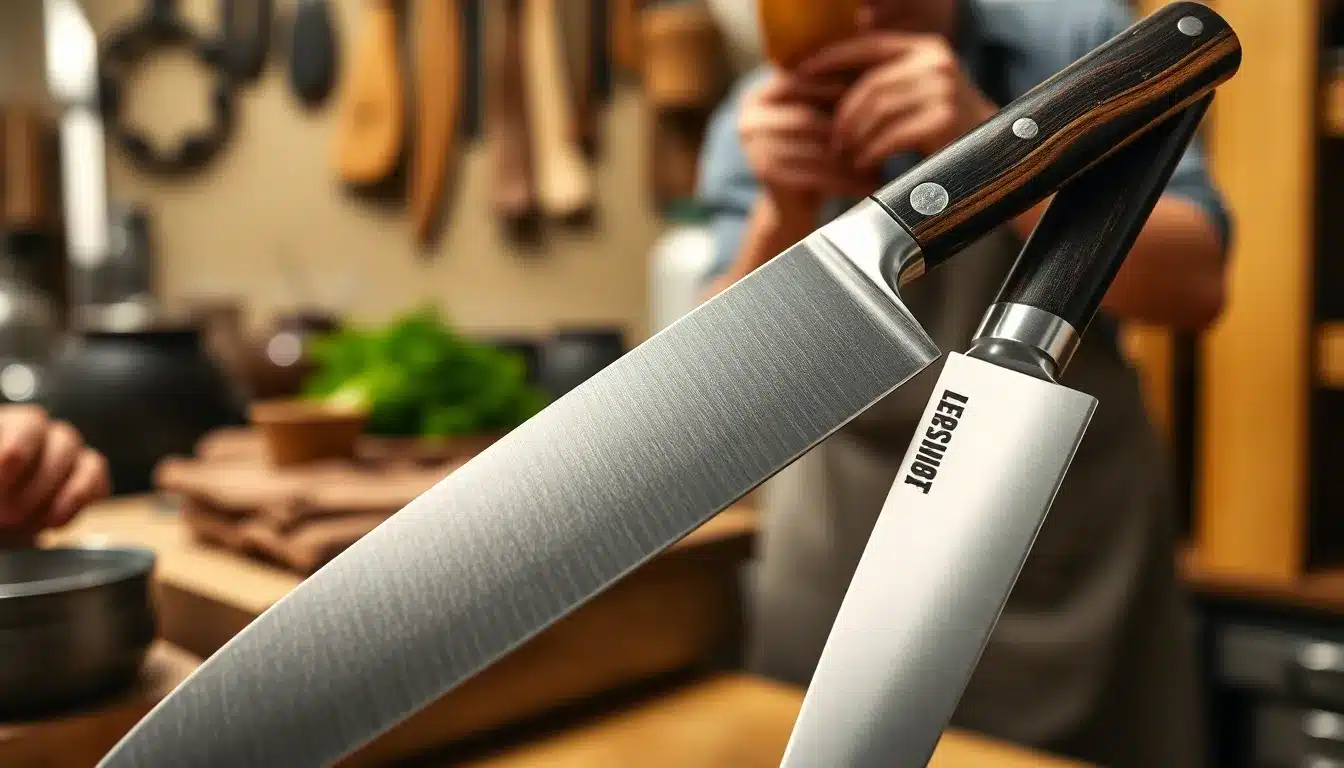
The true mastery behind a superior japanese steak knives set lies deep within its metallurgy—the science of how steel is formulated and treated. Japanese knifemakers are at the forefront of steel innovation, understanding that the perfect steak knife requires a delicate balance of hardness for edge retention, toughness to resist chipping, and resistance to corrosion. This intricate knowledge transforms raw materials into blades that deliver an unparalleled cutting experience. It’s not just about the steel type, but how it’s optimized. 🔬
From the precise alloying elements to the multi-stage heat treatment processes, every detail in the metallurgical journey is critical. This section delves into the scientific specifics that make Japanese steel so uniquely suited for the task of gracefully slicing steak, highlighting the nuanced engineering that underpins their legendary performance. Understanding this science deepens the appreciation for these culinary tools. 🌐
Deconstructing VG-10 and SG2 for Steak: Edge Retention, Toughness, and Specific Performance
When selecting a japanese steak knives set, understanding the specific performance characteristics of steels like VG-10 and SG2 is crucial.
Here’s a breakdown:
- VG-10 (V Gold 10): This high-carbon stainless steel is a staple in premium Japanese cutlery. It contains vanadium, cobalt, molybdenum, and chromium, which contribute to its impressive hardness (typically 60-61 HRC), excellent edge retention, and good corrosion resistance. For steak knives, VG-10 offers a keen edge that holds up well through multiple uses and is relatively easy to sharpen, making it a versatile and popular choice for regular dining. It balances performance with practical maintenance.
- SG2 (Super Gold 2/R2): A powdered metallurgy (PM) stainless steel, SG2 represents a higher tier of performance. Its PM process results in a finer, more uniform grain structure, allowing for extreme hardness (63-64 HRC) and phenomenal edge retention. This means an SG2 steak knife will stay razor-sharp for an exceptionally long time. While it’s tougher to sharpen, the payoff is a knife that maintains its peak performance longer, ideal for those who prioritize ultimate sharpness and infrequent maintenance. It offers a slightly more delicate edge than VG-10, demanding precise usage.
Both are excellent choices, but VG-10 provides a more forgiving experience, while SG2 pushes the boundaries of edge performance. Consider your usage and sharpening habits. 🔪
Beyond the Blade: The Art and Heritage of Japanese Handle Making and Finishes
While the blade is the heart of a japanese steak knives set, the handle is its soul, reflecting a rich art and heritage in Japanese craftsmanship. Traditional Japanese handles, or “wa-handles,” are often made from natural materials like Magnolia wood, ebony, or rosewood, and shaped into octagonal or D-shaped forms. These designs are not merely aesthetic; they provide a lightweight, balanced feel and a secure grip, especially for pinch grips common in Japanese culinary techniques. The choice of wood can also impart a subtle elegance and a unique tactile experience, connecting the user to nature. 🌳
Beyond traditional forms, modern Japanese knife handles often feature composite materials like Pakkawood, Micarta, or G-10, offering enhanced durability, water resistance, and stability. Finishes such as the hammered “Tsuchime” or intricate “Damascus” patterns on the blade extend the artistry, preventing food from sticking and adding stunning visual appeal. These details elevate a steak knife from a mere tool to a piece of functional art, embodying centuries of skill and aesthetic appreciation. The craftsmanship in the handle and finish speaks volumes about the knife’s overall quality. 🎨
Pairing Your japanese steak knives set: Matching Blade Profiles to Culinary Cuts
Optimizing your dining experience with a japanese steak knives set involves more than just owning sharp knives; it’s about understanding how to pair different blade profiles with specific culinary cuts. While most Japanese steak knives feature a relatively slender, pointed profile ideal for general steak slicing, subtle variations exist. For instance, a blade with a slightly longer, more pointed tip can be excellent for navigating around bones in cuts like T-bones or porterhouse. A straighter edge near the heel is superb for clean, push cuts on tenderloins. 🥩
Some steak knife sets might include blades with a gentle curve, which can facilitate a rocking motion for those who prefer it, or a completely straight edge for pure slicing precision. While serrations are rare on traditional Japanese steak knives (as they tear meat fibers), some modern designs may incorporate micro-serrations for those who prefer less maintenance, though they sacrifice the ultimate smooth cut. The ideal choice depends on your preferred cutting style and the types of steaks you most frequently enjoy. Consider how the blade interacts with the meat for the best results. ✨
Frequently Asked Questions About Your japanese steak knives set
What makes Japanese steak knives superior to Western alternatives?
Japanese steak knives are often considered superior due to their harder steel, which allows for a much finer and sharper edge angle (typically 10-15 degrees per side versus 20-25 degrees for Western knives). This results in an incredibly precise, effortless cut that preserves the meat’s juices and texture, unlike Western knives that may tear. Additionally, their meticulous craftsmanship, often featuring advanced metallurgy and ergonomic designs, contributes to their exceptional balance and overall performance. They are designed for precision, not brute force. ✅
Are Japanese steak knives serrated, and how do I sharpen them?
Traditional japanese steak knives set are generally not serrated. Their philosophy relies on a razor-sharp, straight edge to achieve clean, precise cuts without tearing. Serrations are uncommon because they damage delicate meat fibers. To sharpen them, it’s best to use Japanese water stones (whetstones) with various grits. This method allows for precise control over the acute edge angle. Avoid electric or pull-through sharpeners, as they can damage the delicate blade. Honing rods can be used for realignment between sharpenings. 🔪
What are the key benefits of a high-carbon japanese steak knives set?
The key benefits of a high-carbon japanese steak knives set include exceptional sharpness and superior edge retention. High-carbon steels can be hardened to a greater degree, allowing for a finer, more durable edge that stays sharp for significantly longer periods. This translates to less frequent sharpening and consistently effortless slicing. While they require more diligent care to prevent rust, the unparalleled cutting performance and the ability to achieve a truly surgical edge make them a preferred choice for connoisseurs seeking the ultimate dining experience. 🔥
How much should I expect to pay for a quality japanese steak knives set?
The price for a quality japanese steak knives set can vary significantly based on brand, steel type, craftsmanship, and the number of knives in the set. A basic, high-quality set from a reputable brand might start around $200-$400. Mid-range sets, featuring advanced steels like VG-10 or SG2 and more intricate finishes, can range from $500-$1000. Premium, artisan-crafted, or custom sets can easily exceed $1000, sometimes reaching several thousand dollars for bespoke pieces. It’s an investment in enduring quality and a superior dining experience. 💰
How do I properly care for my new japanese steak knives set to prevent corrosion?
To prevent corrosion and maintain your new japanese steak knives set, always hand wash them immediately after use with warm water and mild soap, then thoroughly dry them with a soft cloth. Never place them in a dishwasher. For high-carbon steel knives, applying a thin layer of food-grade mineral oil before storage can provide an extra barrier against moisture. Store them properly in a magnetic strip, knife block, or saya to protect the blade and prevent moisture accumulation. Consistent and immediate drying is your best defense against rust. 💧
Essential Tools and Resources for Every japanese steak knives set Owner
To truly maximize the potential and longevity of your japanese steak knives set, equipping yourself with the right tools and knowledge is indispensable. Owning these precision instruments is just the beginning; understanding how to properly maintain, sharpen, and store them ensures they remain a joy to use for years to come. This section outlines the essential accessories and educational resources that every Japanese steak knife owner should consider. Investing in these tools is an extension of your commitment to quality. 🛠️
From maintaining that razor-sharp edge to deepening your appreciation for Japanese cutlery, these resources provide the foundation for optimal knife care and enhanced culinary skills. They empower you to take full control of your knives’ performance, moving beyond simple ownership to true mastery. Embrace the journey of learning and maintaining these exceptional tools. 📚
Recommended Sharpening Stones and Honing Rods for Japanese Blades
For a japanese steak knives set, the choice of sharpening tools is critical. A high-quality set of Japanese water stones (whetstones) is universally recommended for maintaining and restoring the blade’s delicate edge. A good starting combination typically includes:
- 1000-grit stone: For general sharpening and restoring moderately dull edges.
- 3000-6000 grit stone: For refining the edge and achieving a razor-sharp finish.
- Flattening stone/Nagara: To keep your whetstones flat for consistent sharpening.
Additionally, a ceramic honing rod is essential for daily or weekly maintenance, gently realigning the blade’s edge without removing significant material. Unlike steel honing rods, ceramic is fine enough not to damage the hard, delicate edge of Japanese steel. Brands like Shapton, Naniwa, and King are highly regarded for their quality whetstones. Investing in these tools is crucial for preserving the performance of your premium steak knives. For an in-depth guide, check out Best Sharpening Stones for Japanese Knives. 🎯
Expert Guides: Books, Forums, and Videos for Deepening Your Knife Knowledge
Deepening your understanding of Japanese knives extends beyond just owning a japanese steak knives set; it involves continuous learning from expert resources. Numerous excellent guides are available to help you master sharpening, care, and the rich history of Japanese cutlery.
Consider exploring these avenues:
- Books: “Knife Sharpening Made Easy” by Ben Dale or “The Japanese Knife” by Tim Zowada offer foundational knowledge and advanced techniques.
- Online Forums: Communities like Kitchen Knife Forums (KKF) or Reddit’s r/chefknives provide a platform for asking questions, sharing experiences, and learning from seasoned enthusiasts and professionals.
- YouTube Channels: Channels like Korin Knives or Burrfection (Ryky Tran) offer visual, step-by-step tutorials on sharpening, maintenance, and knife selection, which can be invaluable for visual learners.
These resources offer a wealth of information on everything from steel metallurgy to traditional forging processes, empowering you to become a truly knowledgeable and skilled owner of your premium Japanese cutlery. Continual learning ensures you get the most out of your investment. 📚
Real-World Impact: Enhancing Dining with a Premium japanese steak knives set
The decision to acquire a premium japanese steak knives set is ultimately validated by its real-world impact on the dining experience. It moves beyond the theoretical benefits of sharpness and craftsmanship into the tangible pleasure of a perfectly executed meal. From transforming a simple family dinner into a more elegant affair to meeting the exacting standards of professional service, these knives consistently prove their worth. Their performance is not just a luxury; it’s a commitment to culinary excellence. 🍽️
This section explores various scenarios where the investment in a Japanese steak knife set demonstrably enhances mealtime, offering case studies and testimonials that highlight their transformative power. It’s about more than just cutting; it’s about elevating every aspect of the dining ritual, proving that the right tools truly make a difference. The proof is in the effortless cut and the satisfied diner. 👍
Case Study: Transforming a Home Dining Experience with Shun Classic Steak Knives
Consider the experience of avid home cook, Maria S., who frequently hosted dinner parties. Before acquiring a Shun Classic japanese steak knives set, she relied on generic steak knives that often struggled with thicker cuts, leading to frustration and an imperfect presentation. “My guests would often saw at their steaks, tearing the meat,” Maria recalled. “It detracted from the effort I put into cooking a beautiful prime rib.” After upgrading to a set of Shun Classic steak knives, the transformation was immediate and profound. “The first time I used them, the difference was astounding. The blades just glided through the meat effortlessly, leaving perfectly clean slices,” she shared. ✨
Her guests, too, noticed the change. “The feedback was incredible,” Maria explained. “Everyone commented on how easy it was to cut their steak, and it elevated the entire meal. It felt like dining in a high-end restaurant.” This case demonstrates how a quality japanese steak knives set, like the Shun Classic, can turn a functional necessity into a key element of an exceptional home dining experience, enhancing both presentation and enjoyment. The precision and elegance became a talking point, cementing the knives as a centerpiece of her entertaining. 🎯
Expert Testimonials: Why Professional Chefs Choose Japanese Steak Knives for Table Service
Professional chefs in fine dining establishments consistently choose japanese steak knives set for their table service, a testament to their superior performance and the enhanced dining experience they offer. Chef Akira Tanaka, a Michelin-starred restaurateur, stated, “We invest in Miyabi steak knives because they reflect our kitchen’s commitment to precision. The clean cut preserves the integrity of our perfectly cooked steaks, ensuring our guests experience the dish exactly as intended.” This sentiment underscores the functional superiority that impacts the culinary presentation. 👨🍳
Another prominent culinary figure, Chef Isabella Rossi, often emphasizes the ergonomic advantages: “For extensive table service, the balance and comfort of a Tojiro steak knife are crucial. They feel like an extension of the hand, allowing for effortless slicing even during busy services.” These testimonials highlight that for professionals, the choice isn’t just about aesthetics; it’s about uncompromising performance, durability, and the ability to consistently deliver an exceptional experience to their patrons. The precision and design make a measurable difference in service quality. 🌟
The Collector’s Edge: Valuing Heritage japanese steak knives set for Investment
Beyond their functional beauty, certain heritage japanese steak knives set hold significant value as collectible investments. Much like fine art or vintage watches, meticulously crafted, rare, or custom-made Japanese knives, especially those from legendary blacksmiths or limited editions, can appreciate over time. Factors contributing to their investment value include the maker’s reputation, the rarity of the steel (e.g., specific Blue Steel grades or exotic Damascus patterns), the quality of the finish, and provenance. A set with historical significance or from a craftsman with a short waiting list can command substantial prices. 📈
Collectors often seek out sets that showcase exceptional artistic details, unique handle materials, or innovative forging techniques. Maintaining their original condition, complete with packaging and any certificates of authenticity, is paramount for preserving their value. These aren’t just tools; they are tangible pieces of culinary history and functional art, making them a unique and potentially rewarding investment for those who appreciate the pinnacle of Japanese craftsmanship. Such heirloom pieces connect the present with centuries of tradition. 💎
Elevating Every Meal with Your Definitive japanese steak knives set
The journey to selecting and savoring your definitive japanese steak knives set is an exploration into the heart of culinary excellence and artisanal tradition. These knives are far more than mere utensils; they are precision instruments, works of art, and silent partners in creating unforgettable dining moments. By understanding the intricate details of Japanese steel, forging techniques, and ergonomic design, you empower yourself to make a choice that will truly transform your meals. Embrace the difference that superior craftsmanship brings to your table. 🌟
With proper care and appreciation, your Japanese steak knives will not only perform flawlessly but also become cherished heirlooms, embodying a legacy of precision and passion. Every slice will be a testament to your discerning taste and commitment to quality, elevating every meal into a refined and enjoyable experience. This investment is one that continually pays dividends in pure dining pleasure. 🎯
Key Takeaways for Selecting and Savoring Your Japanese Cutlery
When selecting and savoring your japanese steak knives set, remember these key takeaways:
- Prioritize Steel Quality: Look for premium Japanese steels like VG-10, SG2, or Blue Steel for superior sharpness and edge retention.
- Mind the Edge Angle: An acute, fine edge (10-15 degrees) is characteristic of Japanese precision and enables effortless slicing.
- Consider Ergonomics and Balance: The handle material and knife balance are crucial for comfort, control, and an enjoyable cutting experience.
- Commit to Proper Care: Hand washing, immediate drying, and appropriate storage are non-negotiable for preserving your knives’ condition.
- Invest in Sharpening Tools: High-quality Japanese whetstones and a ceramic honing rod are essential for maintaining peak performance.
By keeping these points in mind, you will not only choose a truly exceptional set but also ensure that it continues to provide unparalleled performance for many years, enriching every dining occasion. This holistic approach ensures satisfaction. ✨
Ready to Experience the Difference? Find Your Perfect japanese steak knives set Today
Are you ready to truly experience the unparalleled precision and elegance that a premium japanese steak knives set can bring to your dining table? The difference is palpable, transforming every cut into a seamless, enjoyable action and elevating the entire meal. Don’t settle for less than the best when it comes to enjoying your culinary creations. It’s time to invest in tools that match your passion for food and dining. ✨
Explore the exquisite world of Japanese cutlery and discover the perfect set that aligns with your aesthetic preferences and performance demands. Your definitive japanese steak knives set awaits, ready to redefine your perception of fine dining and precision. Make the choice to enhance your culinary journey today and savor every moment at the table. 🔥
🔪 Discover Premium Japanese Knives at JapaneseKnivesWorld
At JapaneseKnivesWorld, we are passionate about authentic Japanese cutlery, helping chefs and cooking enthusiasts discover the finest knives from Japan’s master craftsmen.
⚔️ Curated selection of premium Japanese knives from legendary makers
🗾 Expert guides on Japanese steel types and craftsmanship techniques
📚 Comprehensive reviews and comparisons of top knife brands
🎯 Professional advice for choosing your perfect Japanese knife
Ready to find your perfect Japanese knife?
🔗 Explore our complete buying guides and expert recommendations at JapaneseKnivesWorld.com
Follow us for daily knife insights:
🌐 Website